
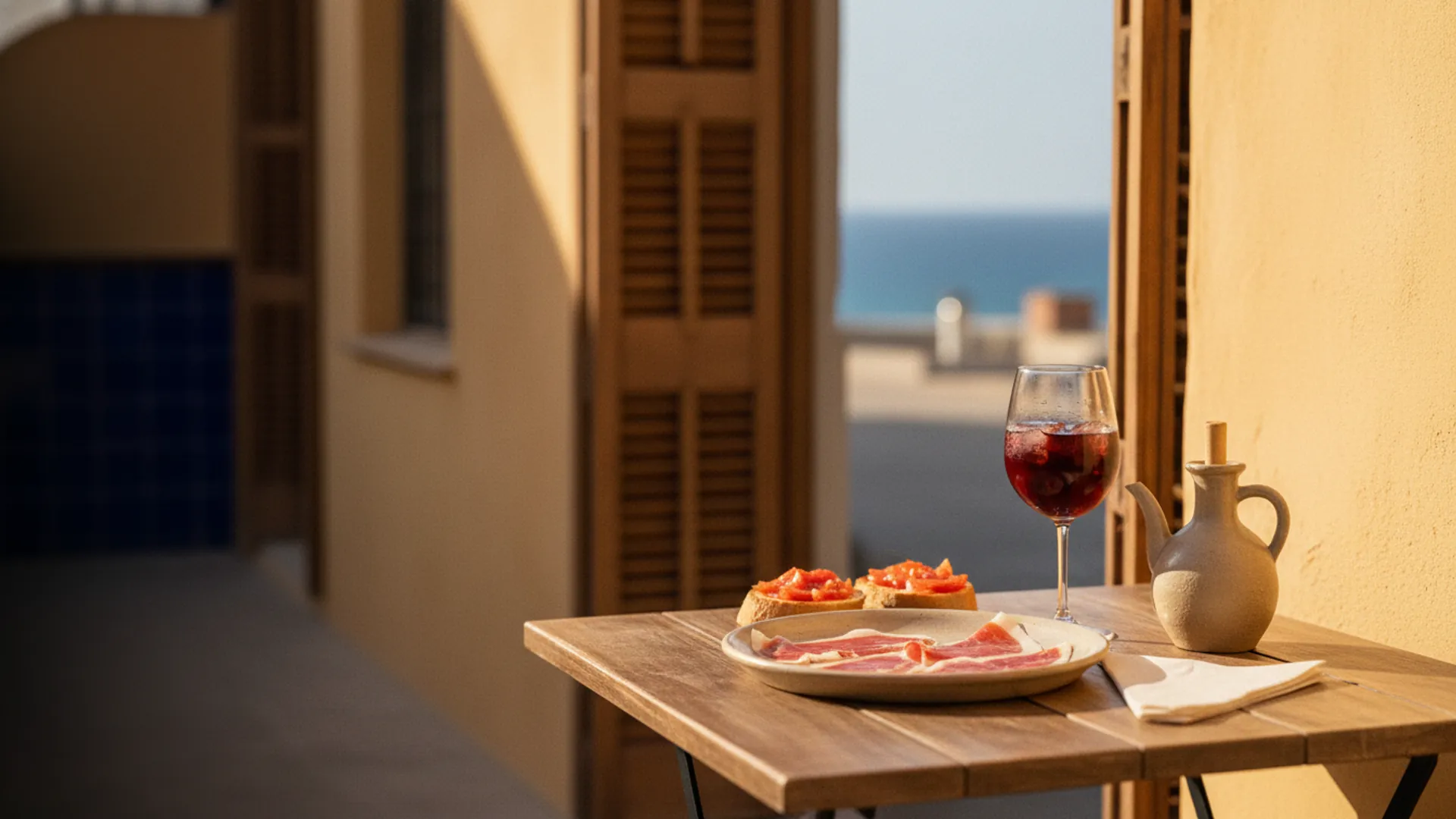
Choques culturales en Valencia: lo que no aparece en la postal
Una veintena de peculiaridades culturales que sorprenden al recién llegado, cómo se viven realmente y los detalles que cambian según el país de origen.
Por qué importa esto
Valencia es acogedora, caminable y cálida. Nada de eso te prepara para el ritmo del día a día: el ruido, las cenas tarde, una burocracia que funciona con cita previa para el NIE y la mayoría de gestiones, un calendario lleno de santos. La mayoría de los expatriados se adaptan bien; los que sufren suelen ser los que no contaban con las pequeñas diferencias diarias que vienen ahora. Elige bien tu barrio, cuadra el presupuesto con el coste de vida real y mira nuestra guía para alquilar en Valencia antes de firmar nada. Para los expatriados europeos, conviene leer también nuestra guía específica para franceses o belgas: incluyen detalles fiscales y administrativos que esta lista cultural deja fuera. Mantén el cine en VO (cines V.O.S.E. en Valencia) y aprovecha las Fallas del primer marzo: dos atajos rápidos para sentirte parte de la ciudad.
Cosas que sorprenden a casi todo el mundo
Estas aparecen vengas de donde vengas. Las hemos agrupado por temas.
El día empieza más tarde y acaba muchísimo más tarde
La comida es la principal y va de 14h a 16h. Las tiendas cierran de 14h a 17h. La cena es a las 21h o 22h, las comidas en familia se alargan más allá de medianoche. Bares y fiestas de fin de semana llenan de 01h a 04h, no de 22h a 01h. Planifica reuniones, gimnasio y compra del super en torno a este ritmo o vas a sentirte permanentemente desfasado.
La sobremesa es sagrada
Después de comer o cenar, te quedas en la mesa. Café, conversación, quizá un chupito. Dos horas de sobremesa son normales, cuatro un domingo en familia. Intentar irse antes se interpreta como mala educación. Reserva ese tiempo en tu día; es uno de los mejores pegamentos sociales que ofrece España.

El volumen está subido
Las voces españolas viajan. Un bar en una calle residencial a las 02h es normal, y la insonorización de los pisos es mala. La ciudad sí lo trata como un problema real: Valencia gestiona un programa oficial de gestión del ruido urbano que mapea las zonas más ruidosas y fija límites acústicos, aunque el cumplimiento diario sea desigual.
Durante las Fallas (mediados de marzo), petardos y la mascletà diaria de las 14h resuenan por toda la ciudad casi un mes - nuestra guía de los sonidos de Valencia explica qué esperar. El kit que de verdad necesitas: cortinas gruesas, tapones para los oídos y un ventilador con motor zumbón para dormir.

Santos, fiestas y puentes por todas partes
España tiene 14 o más festivos nacionales más los regionales al año. Cuando un festivo cae en martes o jueves, mucha gente se coge el lunes o el viernes también: el puente. Bancos, ayuntamientos y gestorías cierran. Planifica los papeleos teniendo el calendario delante o te vas a comer una semana por culpa de un santo del que no habías oído hablar.
La propia fiesta regional de la Comunitat Valenciana, el 9 d'Octubre y su tradición de la mocadorà de mazapán, es un buen ejemplo: aquí cierran comercios y oficinas el 9 de octubre, aunque sea un día laborable normal en el resto de España.
Cita previa para todo
Casi cualquier trámite con la administración requiere cita previa por internet o por teléfono. No hay ventanilla libre. Los huecos para comisaría, ayuntamiento, Seguridad Social y Hacienda pueden tardar semanas en aparecer. Nuestros trucos para conseguir cita previa del NIE te ahorran tiempo. Reserva pronto, haz captura de la confirmación y llega 10 minutos antes.

El cole es su propio laberinto
Tres sistemas paralelos: pública (gratuita, en castellano y valenciano, asignación por zona), concertada (privada subvencionada, a menudo religiosa, cuotas bajas) e internacional (británica, francesa, americana, IB, cuotas altas). Consulta nuestra guía de colegios internacionales en Valencia para ver las opciones. Las solicitudes en pública y concertada se abren en marzo y abril para empezar en septiembre. Si pierdes la ventana esperas un año o te quedas con lo que sobre.

Dos besos, nombre de pila, formalidad reducida
El saludo entre adultos por defecto son dos besos (primero la mejilla derecha, después la izquierda). El tú es normal incluso con desconocidos; el usted se reserva para mayores o cartas formales. Los españoles dicen no sin suavizar, hacen preguntas directas y la sutileza británica les desconcierta. Iguala la franqueza; suena a confianza, no a maleducación.

Las calles están menos pulidas de lo que esperas
Basura, cacas de perro, andamios, grafitis, persianas con la pintura cayéndose: partes del centro y de los barrios exteriores muestran un desgaste que sorprende a quien viene del norte de Europa o de Norteamérica. Después de un mes viviendo aquí dejas de notarlo; el contrapeso es una ciudad que se siente vivida, no escenográfica.
El bajón del verano (y un aire acondicionado regular)
De finales de junio a principios de septiembre, la ciudad se vacía entre las 14h y las 17h. Andar es brutal. La mayoría de los pisos no tiene aire central: portátiles o splits si tienes suerte. Una tarde de julio a 32-34 ºC en interior es realista. Haz los recados a primera hora o después de las 20h.

Se fuma en las terrazas, menos dentro
Fumar en interior está prohibido, pero las terrazas de bares y restaurantes siguen cargadas de humo, sobre todo de noche. Si tienes asma o alergias, elige mesa interior o llega antes del lleno de las 21h. Las terrazas sin humo van apareciendo, pero de forma desigual.

España va de relaciones, no de transacciones
El trato es directo y personal, no acartonado. La misma gestoría, notario o electricista puede llevarte una década si la relación funciona. Pedir descuento de cliente fijo o un precio de buena gente es normal. La propina es ligera: redondea o un 5-10%, no al estilo estadounidense del 15-20%.

Los niños están en todas partes y hasta tarde
Niños en los restaurantes hasta las 23h es lo normal. Las reuniones intergeneracionales del domingo son la regla. Las vacaciones escolares son largas (de mediados de junio a mediados de septiembre, 12 semanas). La cultura familiar significa más apoyo, pero también menos privacidad personal de la que esperan las culturas anglosajonas.
Hacer amigos valencianos: la parte más lenta de instalarse
El círculo de extranjeros se forma en semanas. El valenciano puede tardar años, y casi nadie lo avisa. Aquí la vida social se organiza en torno a la familia y a los amigos del colegio, así que puedes caer bien, que te saluden con afecto todos los días y no recibir una invitación en mucho tiempo. Hay además un recelo que conviene entender más que tomarse como algo personal: en los barrios donde el alquiler ha subido más rápido se culpa a quien llega de fuera, y no siempre sin razón. Lo que lo cambia es el tiempo en un mismo barrio, hablar castellano en público aunque salga mal, y aparecer por los mismos sitios los mismos días. Una vez dentro, estás dentro del todo, y las invitaciones dejan de ser para un café y pasan a ser para el cumpleaños de una abuela.
El invierno en Valencia: templado fuera, frío dentro
El invierno es el choque para el que nadie se prepara, porque los números parecen bien. Las máximas rondan los 16 a 18 grados de diciembre a febrero, que suena agradable y lo es. El problema está dentro: la mayoría de los pisos no tiene aislamiento, el vidrio simple es habitual y la calefacción central es la excepción. La humedad del litoral hace el resto, y un salón a 14 grados aquí se lleva mucho peor que uno a 14 grados en Burgos o en Vitoria, donde el edificio está pensado para el frío. Aquí la gente lleva abrigo en casa en enero y no le da mayor importancia. Cuenta con un buen calefactor y un deshumidificador, y comprueba qué calefacción tiene el piso de verdad antes de firmar.
Perros por todas partes, incluido el balcón de arriba
Hay muchísimos perros y los pisos son pequeños, así que un perro grande en un dos habitaciones no llama la atención. La ventaja es real: el perro es la vía más rápida para acabar hablando a diario con vecinos a los que si no solo saludarías. Los inconvenientes también. Los excrementos siguen apareciendo en algunas calles pese a la normativa, algo que importa más de lo que parece en una ola de calor de agosto, y los perros que pasan horas en el balcón son una fuente habitual de ladridos que los vecinos de abajo hace años que ya no oyen. Las obligaciones de los propietarios se han endurecido en los últimos años, así que conviene comprobar qué se exige ahora mismo antes de venir con perro.
Lo que más impacta según de dónde vengas
La misma ciudad, choques distintos. La lista de abajo viene de conversaciones reales con clientes de cada perfil.
Desde Argentina
- Sacar el dinero del país sigue siendo la parte más difícil. Una vez los euros tocan tierra en España, el resto es papeleo común.
- Los porteños cenan a las 22h o más tarde. En Valencia las cocinas cierran a las 23h y muchos bares ya están limpiando a las 23:30. Aprende a cenar a las 21h.
- El voseo argentino choca con el tuteo castellano. Nadie te corregirá, pero notarás miradas las primeras semanas hasta que tu oído se acostumbre al «tú».
- Tras dos años de residencia legal podés solicitar la nacionalidad española por la vía iberoamericana. Empezar a juntar papeles desde el día uno te ahorra meses al final.
Desde México
- El «vosotros» español lo escuchas todos los días: en la panadería, en la consulta médica, en los anuncios del metro. Tu oído tarda dos o tres semanas en dejar de pausar.
- La cultura de la propina es radicalmente más baja. En Valencia se redondea o se deja el cambio menudo. Dejar 15-20% como en Ciudad de México sorprende al camarero.
- Agosto cierra Valencia. Bares de barrio, talleres mecánicos, gestorías: muchos echan el cierre dos o tres semanas. La primera vez impresiona viniendo de una ciudad 24/7.
- La ruta a la nacionalidad española en dos años existe y está infraexplotada. La nueva ley de doble nacionalidad (2022) facilita conservar la mexicana, pero confirma siempre con un abogado actualizado.
Desde Colombia
- El voseo paisa o vallecaucano no aparece en España. Vas a tutear por defecto. No es difícil, sólo es nuevo.
- «Carro» se convierte en «coche», «jugo» en «zumo», «computador» en «ordenador». El vocabulario diario cambia más de lo que esperas.
- El tinto colombiano y el café español se parecen poco. Lo más cercano es el café americano o el café largo de máquina. Aprende a pedir «café con leche» como base.
- La homologación de títulos profesionales con el ICETEX y el Ministerio español puede tardar 12-18 meses. Empieza antes de viajar y prepárate para insistir.
Desde Reino Unido e Irlanda
- El ruido. Los suburbios residenciales tranquilos del Reino Unido no te preparan para las Fallas, los bares en planta baja o las conversaciones de balcón a la 01h.
- La franqueza del trato. El personal español te dirá no sin tres capas de disculpas. No es maleducado, es eficiente.
- La burocracia se parece más a 1995 que al Reino Unido moderno. NIE, padrón y TIE necesitan cita previa, originales y paciencia.
- No hay cultura de meal deal: la comida es el menú del día (unos 13 a 16 EUR con primero, segundo, bebida y café). Mejor relación calidad-precio y descanso más largo.
Desde Estados Unidos
- El aire acondicionado no viene de serie. Trae un portátil para julio y agosto o elige piso con splits.
- La propina es ligera. Redondea o 5-10%, no 18-22%. Los camareros cobran un sueldo real.
- Las farmacias dispensan genéricos por defecto y puedes pedir consejo al farmacéutico, a menudo antes que al médico.
- El carné de conducir NO está en la lista de canje bilateral con España. Conduces con el carné estadounidense 6 meses y luego haces el examen teórico y práctico español.
Desde Francia o Bélgica
- La eficiencia española en cosas pequeñas (apps bancarias, mensajería, transporte público) suele superar a las equivalentes francesas. Después la burocracia te recuerda que sigues en el sur de Europa.
- El domingo es sagrado para la comida en familia, más que en Francia. La mayoría de tiendas cerradas; restaurantes llenos.
- El café español es corto e intenso (cortado, café solo). El ritual de los 30 minutos de café-conversación es parecido pero más temprano en el día.
Desde Australia o Canadá
- Carné de conducir: Australia y Canadá (la mayoría de provincias) sí están en la lista de canje bilateral con España. Puedes cambiarlo en la DGT sin pasar el examen español.
- La distancia pesa. Vuelos de 22 a 24 horas a casa, 9 o 10 horas de diferencia horaria (o 6h cuando coinciden los cambios de hora). Las videollamadas familiares son a horas raras.
- La superannuation australiana y el RRSP canadiense no se transfieren limpiamente. Habla con un asesor fiscal transfronterizo antes de la mudanza, no después.
Desde Países Bajos
- La franqueza neerlandesa se reinterpreta como brusquedad durante el primer mes. El ya veremos / mañana español no es informalidad, es optimismo calibrado. Ambos son honestos, solo de distinta forma.
- Cenar a las 18h te deja solo en un restaurante vacío. Fija la cena a las 21h, almuerzo (vermut) a las 14-16h y una merienda a las 17h si quieres seguir el ritmo español.
- El ciclismo aquí es real (200 km de carriles segregados, Valenbisi para compartir bici), pero la cultura del coche sobrevive en algunos barrios. Una eengezinswoning en planta baja con tuintje es un unicornio: asume balcón en cuarta planta.
- Sinterklaas, kraamzorg y la eengezinswoning pertenecen a tu vida anterior. Los Reyes Magos del 6 de enero son el momento de los regalos, los cuidados postparto los gestionas tú y tu trastero se reduce un 60%.
Desde Alemania
- La Pünktlichkeit se estira. El ahora español pueden ser 30 minutos. Los trenes y el metro sí cumplen horario, los planes sociales no.
- La tolerancia mediterránea al ruido está varios decibelios por encima del Hausordnung Ruhezeiten alemán. Niños gritando hasta las 23h, terrazas zumbando pasada la medianoche. Si el silencio es innegociable, mira en Godella, Rocafort o El Vedat.
- El Anmeldung se convierte en empadronamiento: misma idea, proceso más amable, igual de cola en el ayuntamiento. La Krankenkasse pasa a ser la tarjeta SIP, con Sanitas, DKV o Adeslas privados a 40-80 EUR/mes para ganar velocidad.
- La comida a las 14-16h, la cena a las 21h. Nadie come Mittagessen a las 12 del mediodía. Tu estómago tarda quince días en resetear, después todo cobra sentido.
Desde Italia
- Menos adaptación que cualquier otro origen. Cocina mediterránea, peso de la familia, cultura del café, orgullo regional: todo encaja. El mayor choque es lo poco que choca.
- El ritual del café cambia. El espresso al banco en 90 segundos se convierte en café con leche sentado en mesa durante 20 minutos. Ambos funcionan, solo son ritmos distintos.
- La paella valenciana de verdad lleva conejo, pollo, garrofó y ferradura: ni chorizo, ni marisco, ni guisantes. Decir paella e solo riso aquí cae como la piña sobre la pizza en Nápoles. La versión con marisco es arroz a banda.
- La inscripción AIRE importa más de lo que parece. Italia te tributa por estatus de residencia, no por ciudadanía: esto se lo arreglas con un fiscalista antes de tu primer enero en España.
Desde América Latina
- El papeleo es de verdad más fácil. La documentación ya está en castellano, y quien tiene nacionalidad de la mayoría de países iberoamericanos puede pedir la española a los dos años de residencia legal, no a los diez.
- El valenciano en el colegio es la sorpresa. Llegando como hispanohablante, casi nadie espera que la pública enseñe en buena parte en otra lengua.
- El español peninsular cuesta al principio. El vosotros, el uso cotidiano de coger, el vale cada dos frases y una franqueza que suena brusca hasta que deja de sonarlo.
- Te van a leer como local más a menudo, y eso corta por los dos lados: menos trato de turista, y menos paciencia cuando no sabes cómo funciona algo.
Cómo se adaptan realmente los expatriados
Duerme en planta alta o al patio interior. Consejo de búsqueda de piso: los bajos y las habitaciones a la calle multiplican el ruido. Patio interior o cuarta planta resuelven el 80% del problema de sueño.
Construye relaciones locales pronto. Una gestoría de confianza, un notario, un electricista. Te van a ahorrar semanas de papeleo con el tiempo.
Adopta el ritmo de comidas. Comer a las 14h, cenar a las 21h. Tu cuerpo se reajusta en dos semanas y dejas de pelearte con la ciudad.
Reserva todo con antelación. Cita previa para renovaciones, admisiones escolares en marzo, citas médicas por app. El sistema premia al que planifica.
Aprende algunas palabras de valenciano: «Bon día» (buenos días), «Bona vesprada» (buenas tardes), «Bona nit» (buenas noches), «A reveure» (hasta luego), «Xiquet / Xiqueta» (chico / chica, cariñoso), «Mestre» (maestro, en señal de respeto), «Ché» (¡oye!, la interjección más valenciana de todas) y, si la situación lo merece, «Veste a fer la mà» (la versión local del clásico «vete a freír espárragos»). El castellano cubre lo necesario, pero diez palabras en valenciano abren puertas que el castellano no toca.
Deja de comparar. Valencia no es una Ginebra peor ni una Londres con sol. Es otro sistema operativo. Cuando dejas de medir, la ciudad se abre.
¿Quieres un plan de aterrizaje personalizado?
Contáctanos. Cruzamos los choques culturales con tu país de origen, situación familiar y plazos, y te entregamos una lista accionable.