
Moving to Valencia
from the USA
Americans are trading sky-high healthcare costs, brutal commutes, and overpriced housing for Valencia's Mediterranean lifestyle. With one easy connection through a European hub and living costs 50% lower than most US cities, the numbers speak for themselves.
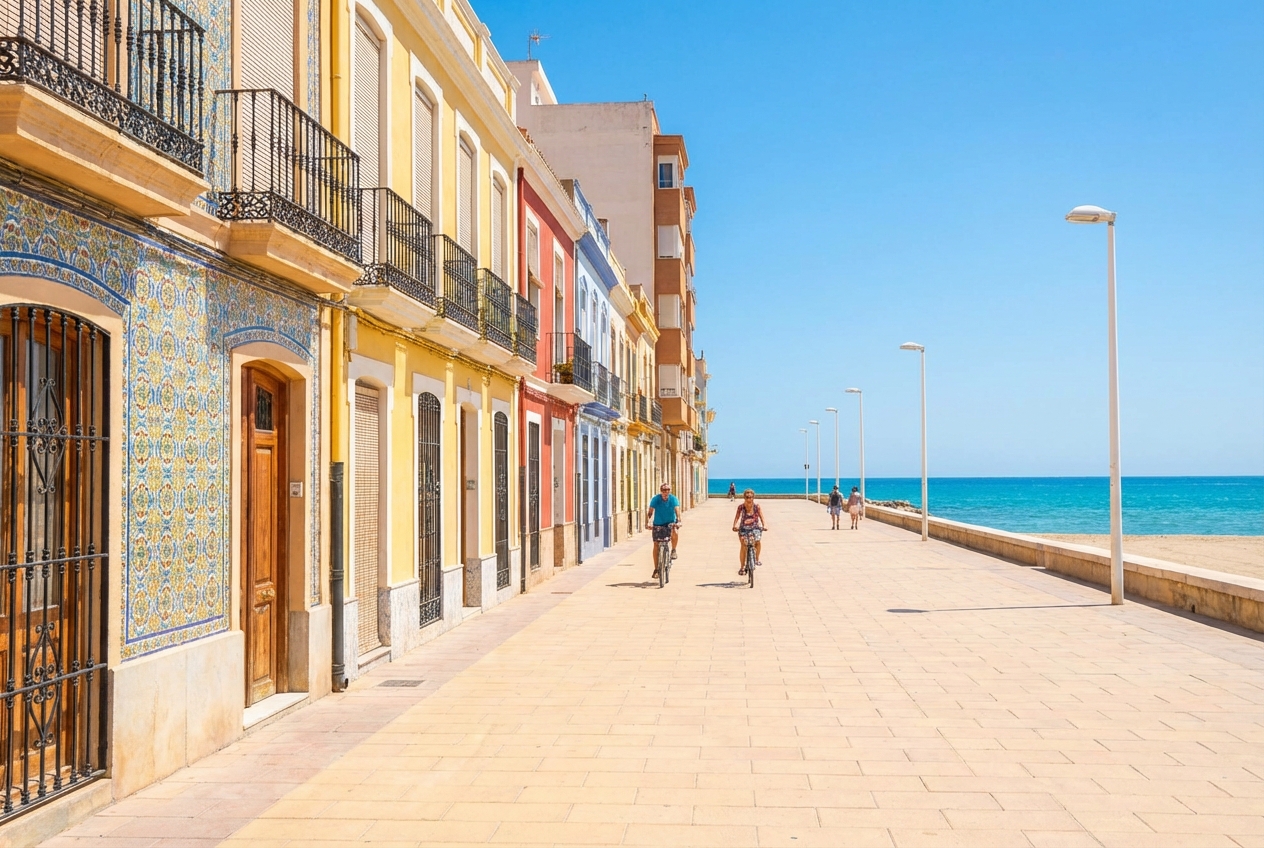
AI-generated image
1 stop
Typical Flight
50%
Cheaper than US
2,696
Sunshine Hours/Year (AEMET)

Resident in Valencia since 2016. Founder of BeTranslated. 25+ years in translation, interpretation and multilingual SEO.
Reviewed 23 July 2026 by Michael Bastin
A note from Michael: one of the first Americans I helped settle in Valencia told me the FBAR filing was the moment his Spain move stopped feeling like a holiday and started feeling like real life. He almost missed the October 15 extension that first year because nobody flags it on a Spanish tax calendar. His advice, which I now pass on to every American who asks: get a cross-border CPA on the books before you fly, not after - the penalties for late FBAR start at $10,000 per violation and they are not theoretical.
Spain Visa Options for Americans: Here's What You Need
US citizens can visit Spain for up to 90 days without a visa. For long-term residence, Spain offers two excellent pathways, and the application process through US consulates is well-established. Note: Spain's Golden Visa (investor route) was abolished by Organic Law 1/2025 on 3 April 2025 and is closed to new applicants.
Most chosen by American remote workers
Digital Nomad Visa
Min. Income
€34,188/yr
Validity
1 yr → 3 yr
Work remotely for US-based employers or freelance clients while living legally in Spain. Unlocks the Beckham Law flat 24% tax rate for 6 years - a game-changer for Americans used to combined federal + state rates above 40%.
Best for: Remote employees, freelancers, and entrepreneurs billing US clients.
Full Guide →Best for retirees & passive income
Non-Lucrative Visa
Min. Income
€28,800/yr (solo)
Validity
1 yr → renewable
Live in Spain without working for a Spanish employer. You can still receive passive income such as Social Security, 401k/IRA distributions, rental income, and dividends from US sources.
Best for: Retirees, early-FIRE Americans, those with passive US income.
Full Guide →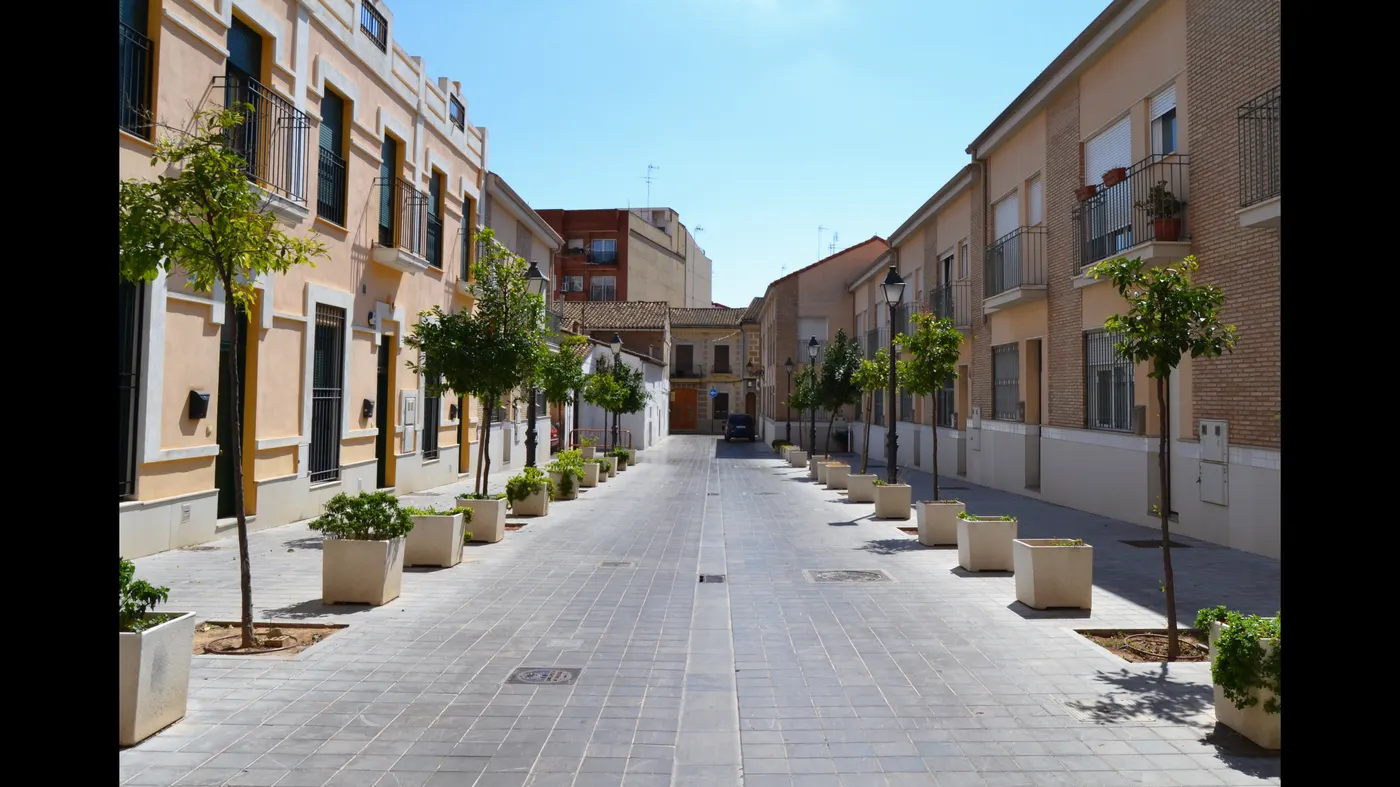
Photo: Joanbanjo, CC BY-SA 3.0
Spanish Consulates in the United States
Spain runs nine consular posts in the US: the consular section of the Embassy in Washington plus eight Consulates General. Each post has a fixed jurisdiction by state of residence. Applications filed at the wrong consulate get rejected, so verify your jurisdiction before booking. Visa appointments now go through BLS International (the official outsourced partner) at usa.blsspainvisa.com, typically 2 to 3 months out.
| City | Post | State Jurisdiction | Website |
|---|---|---|---|
| Washington, D.C. | Embassy of Spain (Consular Section) | District of Columbia, Maryland, Virginia, West Virginia, North Carolina Serves residents of the Mid-Atlantic and North Carolina. BLS Washington DC handles visa submissions. | Consulate site |
| New York | Consulate General | New York, New Jersey, Connecticut, Pennsylvania, Delaware The busiest US consular post for Spain visas. Appointments via BLS New York; book 2 to 3 months ahead. | Consulate site |
| Boston | Consulate General | Massachusetts, New Hampshire, Vermont, Maine, Rhode Island Smaller post, often shorter wait times than NYC. BLS Boston centre runs application submissions. | Consulate site |
| Chicago | Consulate General | Illinois, Indiana, Iowa, Kansas, Kentucky, Michigan, Minnesota, Missouri, Nebraska, North Dakota, Ohio, South Dakota, Wisconsin Covers 13 Midwest states. BLS Chicago is your appointment portal. | Consulate site |
| Houston | Consulate General | Texas, Oklahoma, Arkansas, Louisiana, Mississippi, Alabama, Tennessee, New Mexico Serves most of the South and New Mexico. BLS Houston processes applications. | Consulate site |
| Los Angeles | Consulate General | Southern California (Imperial, Inyo, Kern, Los Angeles, Orange, Riverside, San Bernardino, San Diego, San Luis Obispo, Santa Barbara, Ventura counties), Arizona, Colorado, Utah Note: Nevada is NOT under LA (it falls to San Francisco). BLS Los Angeles handles visa intake. | Consulate site |
| San Francisco | Consulate General | Northern California, Nevada (except Clark County), Alaska, Hawaii, Idaho, Montana, Oregon, Washington, Wyoming, US Pacific territories (Guam, American Samoa, Northern Mariana Islands) Largest geographic jurisdiction of all US posts. BLS San Francisco for appointments. | Consulate site |
| Miami | Consulate General | Florida, Georgia, South Carolina Florida and the southeastern Atlantic. BLS Miami centre handles visa submissions. | Consulate site |
| San Juan | Consulate General | Puerto Rico, US Virgin Islands, Islands of Culebra and Vieques Serves the Caribbean US territories. Apply locally rather than travelling to the mainland. | Consulate site |
Appointments book up fast
Visa interview slots commonly fill 2 to 3 months in advance, especially at New York, Los Angeles, and Miami. Check the BLS portal weekly: cancellations free up slots without warning.
Jurisdiction is non-negotiable
Applications filed outside your state-of-residence consulate get rejected. Use a utility bill, lease, or driver licence as proof of address. Moving states mid-process means restarting at the new consulate.
Document sequencing matters
FBI background check is valid 90 days from issue, then needs a US Department of State apostille. Build the timeline backwards from your interview date: apostille, sworn translation, then submission.
Source: Spanish Ministry of Foreign Affairs (exteriores.gob.es) consular network listings, verified May 2026. Jurisdictions can change: confirm with the relevant consulate before submitting.
Your USA → Valencia Timeline
A practical month-by-month checklist for American expats, from planning to landing.
3 to 6 Months Before
- Determine your visa category (Digital Nomad Visa or NLV)
- Get your FBI background check apostilled via the US Department of State
- Open a Wise or Revolut account for USD → EUR transfers without bank fees
- Consult a cross-border CPA about IRS obligations, FBAR, and FATCA filing
1 to 3 Months Before
- Submit visa application at Spanish Consulate (NYC, Chicago, LA, Houston, or Miami)
- Arrange private health insurance (must be sin copago for visa approval)
- Review 401k/IRA strategy: keep, roll over, or convert to Roth before departure
- Research Valencia neighbourhoods and shortlist rentals - our US renting guide covers what landlords will ask of you
Weeks 1 to 4 in Valencia
- Register at Empadronamiento at your local Junta Municipal office
- Book your NIE appointment at Gran Vía Marqués del Túria, 67
- Open a Spanish bank account (Sabadell or CaixaBank recommended for expats)
- Register with the US Embassy in Madrid and the Valencia consular agency
Months 2 to 3
- Register with a Spanish GP at your local Centro de Salud
- Enrol children in school (American School of Valencia for US curriculum)
- File Modelo 030 tax registration with Agencia Tributaria
- Review Social Security totalization agreement between US and Spain
- Join Democrats Abroad Valencia's monthly happy hour (quiet July-Aug) or the nightly Valencia Language Exchange meetups
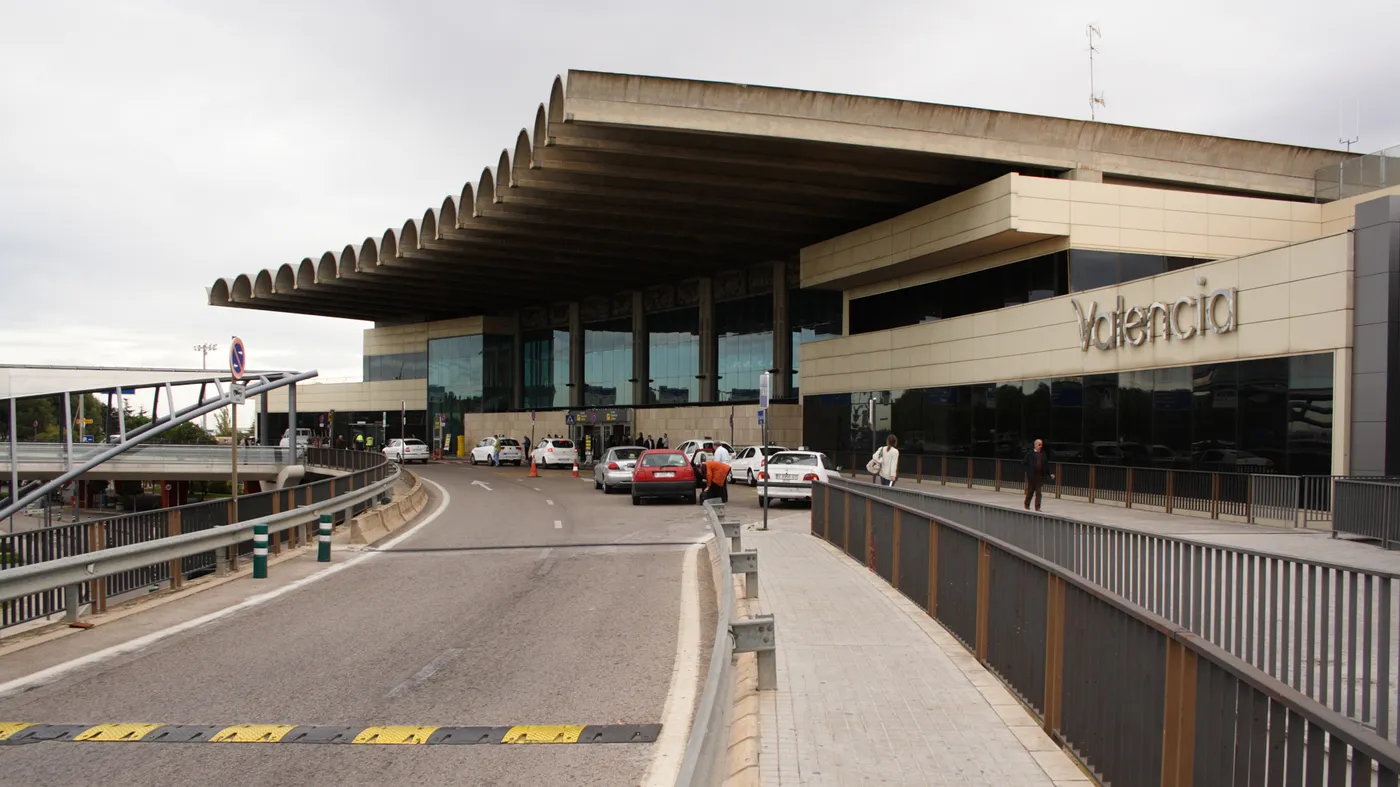
Photo: א (Aleph), CC BY-SA 3.0
USA vs Valencia: Cost of Living
On average, life in Valencia costs 45 to 55% less than major US cities. Healthcare alone can save you thousands every year. See our full Valencia cost of living guide for a barrio-by-barrio breakdown.
| Item | USA (USD) | Valencia (EUR) | Saving |
|---|---|---|---|
| 1-Bed City Centre | $2,200-4,000 | €900-1,200 | ~55% |
| Monthly Transport Pass | $100-130 | €17.50 | ~85% |
| Meal Out (mid-range, 2 ppl) | $80-140 | €35-50 | ~55% |
| Monthly Groceries (couple) | $600-900 | €280-380 | ~50% |
| Private Health Insurance | $500-1,200/mo | €80-150/mo | ~80% |
| International School (annual) | $20k-50k+ | €8k-18k | ~60% |
American Schools in Valencia
Valencia has outstanding English-language schooling options for American families, including a fully US-accredited school.
American School of Valencia (ASV)
The only fully US-accredited school in the Valencia region. Offers an American curriculum from Pre-K to Grade 12 with AP courses, SAT/ACT prep, and seamless credit transfer to US universities. Annual fees from approximately €8,000 to €15,000.
IB & British Alternatives
Caxton College and Cambridge House offer British-curriculum education with IB options. Many American families choose these for the international perspective and strong university placement track record across both US and European universities.
Bilingual & Spanish Schools
Valencia's public schools are taught in Valenciano and Castellano. Concertado (semi-private) schools offer a bilingual environment at much lower cost (€100-300/month). Younger children often adapt within 6 months and become fully trilingual.
Key Differences for Americans
IRS follows you everywhere
The US is one of only two countries that taxes citizens on worldwide income. You must file Form 1040 annually, plus FBAR and FATCA if you hold foreign accounts above reporting thresholds. The FEIE and Foreign Tax Credit prevent double taxation in most cases.
401k & IRA considerations
Your US retirement accounts remain intact when you move. However, Spain may tax Roth IRA withdrawals since it does not recognise the Roth structure. Consider a Roth conversion before departing the US. Traditional IRA/401k distributions are taxable in Spain under the US-Spain treaty.
Healthcare is radically cheaper
Spain's healthcare system is world-class and costs a fraction of the US system. Private insurance runs €80-150/month compared to $500-1,200+ in the US. No deductibles, no copays on most plans, and prescription drugs cost 70-90% less than in America.
Social Security totalization
The US-Spain Social Security Totalization Agreement (in force since 1988) means your work credits in both countries can be combined. If you've worked 6+ quarters in the US, those count towards Spanish pension eligibility and vice versa, so you won't lose your credits by moving.
USD to EUR transfers
Use Wise or Revolut for currency transfers (you'll save 2 to 4% versus your US bank's exchange rate). Many Americans keep a Schwab International checking account (no ATM fees worldwide) alongside a Spanish bank account for local payments.
No nonstop flight yet, but one easy connection
There is currently no nonstop flight between the US and Valencia. From the East Coast, expect roughly 10 to 12 hours total via a one-stop connection through a hub like Madrid, Lisbon, Paris, or Amsterdam. From the West Coast, budget 13 to 16 hours total. Budget $400-800 round trip from NYC. Many Americans fly home 1 to 2 times per year.