Skip to content
Shopper choosing fresh tomatoes at a Valencia market stall with price tags - the real cost of living in Valencia and everyday grocery expenses
2026 Financial Guide

Cost of Living in Valencia 2026

I came from a city where a 1-bed cost $2,400 plus utilities. An €8,000/month London or New York lifestyle can be reproduced here for roughly €3,120-4,100. In 2026, a couple in a one-bedroom apartment in Ruzafa lives well on around €2,450/mo, all in. Here is the breakdown by barrio, with the actual numbers we pay.

Cost Comparison 2026

How much cheaper is Valencia?

Compare from:
Rent
-62%
Groceries
-35%
Dining Out
-42%
Total Savings
-48%

In 2026, a lifestyle costing €6,000/month in London can be sustained in Valencia for approximately €3,120, with a significantly higher quality of life for the same professional income.

Housing & Rent

Rents jumped hard over the past two years, but Valencia is still the cheapest of Spain's three big cities - a far cry from US coastal prices we benchmark in our moving from the USA breakdown and the Sydney comparison in moving from Australia. The old €550 floor is gone: €800 is the new baseline for a one-bedroom, and the citywide average now sits near €1,250. A one-bedroom apartment in Ruzafa or Ciutat Vella runs €1,100-1,500. The same flat in Cabanyal sits at €900-1,300. Patraix and Benimaclet, both 15 minutes from the centre by metro, offer better value at €800-1,100. The central but quieter Extramurs sits around €850-1,200. For families, a two-bedroom in Eixample or Pla del Real runs €1,400-2,000+. Full tenant playbook in our renting in Valencia guide.

1-bed, Ruzafa / Ciutat Vella€1,100 - €1,500
1-bed, Cabanyal (beach)€900 - €1,300
1-bed, Patraix / Benimaclet€800 - €1,100

Food, Utilities & Daily Spend

A couple shopping at Mercadona and topping up at Mercado Central spends €400-500/mo on groceries - budget shoppers using Lidl or Alcampo can bring that down to €250-320. Eat the Menu del Dia at lunch (3 courses, drink, coffee) for €14-16 and dinner becomes optional. In an 85 m2 apartment, expect €90-140/mo for electricity and gas (summer aircon is the swing factor), €25-35/mo for EMIVASA water, and €30-45/mo for fibre with Movistar or Orange. That electricity line moves more than any other on the list: our guide to electricity costs in Spain covers the contracted power and time bands that decide it.

Menu del Dia€14 - €16
Electricity + gas (85 m2)€90 - €140/mo
Water + fibre€55 - €80/mo

Transport & The Worked Example

Skip the €1.50 single EMT bus ticket. Load a TuiN bonobus (also sold as SUMA 10) onto a Mobilis card and Zone A trips drop to around €0.80-0.85 each; a monthly Zone A pass is €35, currently subsidised roughly 50 percent to €17.50. Full fare breakdown in our Valencia metro ticket guide. The worked example: a couple in a one-bedroom apartment in Ruzafa at €1,250 rent, plus €120 electricity and gas, €30 water, €40 fibre, €450 groceries, €35 transport, €180 private health insurance and €350 for eating out and the gym. Total around €2,455/mo - just above the €2,400 NLV floor we cover in the Non-Lucrative Visa guide (add about €600 for a spouse) and comfortably below the ~€2,800 Digital Nomad Visa income threshold.

TuiN bonobus (SUMA 10, Zone A)~€0.80 / trip
Monthly Zone A pass€35 (now €17.50)
Single EMT bus€1.50
Produce stall with price tags at a Valencia market

Monthly budget breakdown in Valencia 2026

Three honest snapshots of what living in Valencia costs right now, calibrated to 2026 prices. Each total is the all-in number after rent, groceries, transport, utilities and a normal social life. For Erasmus+ and exchange students, the budget shape is different (smaller rent share, no utility bills in residences): see our European Mobility guide for student-specific numbers. If you are retiring in Valencia, the pension-and-healthcare maths shifts again.

Monthly budget - single person

Around 1,900 EUR/month all-in

  • Rent (studio or 1-bed in Patraix or Benimaclet): 800-1,100 EUR
  • Groceries (Mercadona, or Lidl/Alcampo on a budget): 250-350 EUR
  • Transport (TuiN bonobus or monthly Zone A pass): 18-35 EUR
  • Utilities (electricity, gas, water, fibre): 130-180 EUR
  • Private health insurance (visa requirement): 80-100 EUR
  • Entertainment (menu del dia, drinks, gym): 250-350 EUR

Monthly budget - couple

Around 2,450 EUR/month all-in

  • Rent (1-bed in Ruzafa or Cabanyal): 1,100-1,400 EUR
  • Groceries (weekly shop for two): 400-500 EUR
  • Transport (two monthly Zone A passes): 35-70 EUR
  • Utilities (electricity, gas, water, fibre): 145-215 EUR
  • Private health insurance (two adults): 160-200 EUR
  • Entertainment (eating out, weekends, gym): 350-500 EUR

Monthly budget - family of three

Around 3,600 EUR/month all-in (excl. international school)

  • Rent (2-bed in Eixample, Pla del Real or El Plantio): 1,400-2,200 EUR
  • Groceries (family weekly shop): 550-700 EUR
  • Transport (parent Zone A passes + occasional car): 80-150 EUR
  • Utilities (electricity, gas, water, fibre): 170-240 EUR
  • Private health insurance (family): 150-375 EUR
  • Entertainment + childcare extras (activities, eating out, weekends): 500-800 EUR

Working with a relocation team adds the one-off Valencia relocation fee (paid once, not monthly) to your first-month bundle. Most expats expense it against the cost of doing NIE, banking and a rental hunt blind.

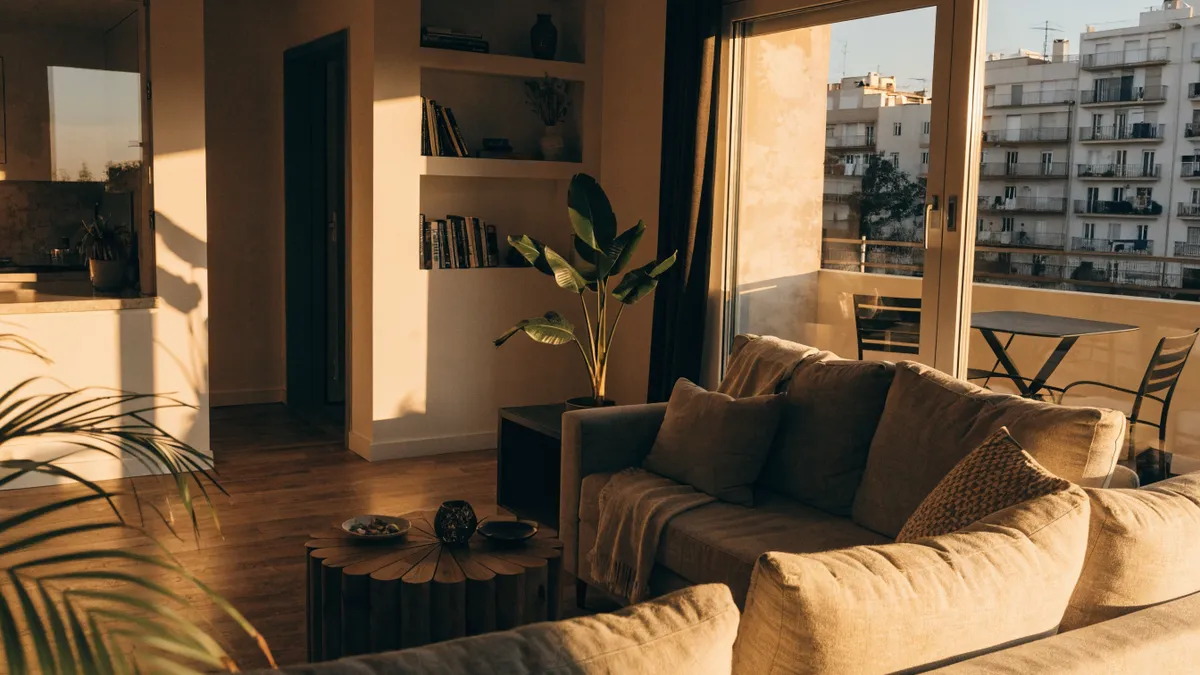
Sunlit living room of a Valencia apartment

Cost of Living in Valencia: Costs First-Timers Forget to Budget

Rent, groceries and a metro pass are the easy part. These five line items catch most newcomers off guard, and any one of them can move your monthly number by hundreds of euros.

Private health insurance

If you move on a Non-Lucrative or Digital Nomad Visa, private cover is not optional - it is a visa requirement, and it has to be a zero-copay policy with no waiting periods. Budget €80-100/month per adult; a family typically runs €1,800-4,500/year depending on ages. We break down providers and what a compliant policy looks like in our Spain health insurance guide.

Schooling and international-school fees

Public school is free and genuinely good; you only pay for lunch, around €150/month. International schools are the big variable: expect €7,000-10,000+/year in tuition, plus a one-time enrolment fee of €3,000-5,000 due before the first term. Compare the shortlist in our international schools guide, then run your own numbers with the school fees calculator.

The Fallas premium: do not house-hunt in March

One hard-won rule: do not start your rental search or book a temporary Airbnb in March. Las Fallas roughly triples short-term prices, and long-term landlords quietly delay signing leases until April to cash in on festival tourists. Arrive in late April or aim for the autumn window instead - our Fallas accommodation guide explains the March spike in detail.

The Beckham Law can change your whole budget

If you relocate for work or qualify as a high earner, the Beckham Law lets you cap Spanish-source income tax at a flat 24 percent (on earnings up to €600,000) instead of the progressive rates. That can swing your net cost of living by hundreds of euros a month. Check whether you qualify in our Beckham Law guide.

Upfront rental costs and the LAU

Under Spain's LAU (Ley de Arrendamientos Urbanos), the legal deposit is one month's rent for an unfurnished long-term lease and two months for a furnished one. Agency fees on standard long-term residential leases are legally the landlord's cost, not yours - so if an agency tries to charge you a month's commission, that is illegal and worth pushing back on. See the full move-in maths in our renting in Valencia guide.

Cost of Living Valencia: Two Big Numbers Nobody Talks About Upfront

Monthly rent is only half the story. Before you sign anything, see the deposit + agency + first month bundle in our rental and buying playbook, and if you're moving with kids, the real annual school cost plus our school enrolment help for the paperwork.

Get Your Free Valencia Relocation Toolkit

Includes the 2026 NIE checklist, the per-barrio rent sheet I wish I had, and personalised job alerts. All tied to your move date.

Cost of Living in Valencia: What People Ask

What is a realistic single person budget in Valencia 2026?
Plan 1,600 to 2,400 euros per month all-in. Rent is the lever: a one bedroom apartment in Ruzafa or Eixample runs 1,100 to 1,500 euros, while Benimaclet or Patraix start near 800 (the old 550 floor is gone). Add 130 to 180 euros for utilities (electricity, gas, water, internet), 250 to 350 for groceries from Mercadona, 18 to 35 for transport (or zero if you bike), and 200 to 400 for cafes, dinners and weekends out. Private health insurance from 80 to 100 euros, which is a visa requirement. Tighter freelancers live on 1,600, comfortable nomads land at 2,400.
Family of 4 with international school: real monthly cost?
Budget 3,500 to 5,500 euros per month. Three-bedroom rentals in family-friendly barrios (Eixample, Pla del Real, El Plantio) cost 1,500 to 2,400 euros. International school fees average 600 to 1,100 euros per child per month at Caxton, El Plantio or Lycee Francais. Add 600 to 800 for groceries, 200 for utilities, 250 to 400 for transport (often a car), and 500 to 1,000 for activities, eating out and travel. Bilingual concertados can shave 800 to 1,400 euros off monthly.
How much do Fallas and summer mark up Valencia rent?
Long-term rents barely move, but short-stay rents explode. A flat that lists at 1,000 euros monthly long-term routinely asks 130 to 250 euros per night during Fallas (15 to 19 March), often a 7 night minimum. July and August coastal flats in El Cabanyal and Malvarrosa double or triple weekly rates versus winter. Off-season (mid-September to mid-March) is when long-term tenants find the best deals; fixed-term 12 month contracts signed in October are typically 5 to 10 percent under May or June listings.
Mercadona vs Consum vs Mercado Central: which is cheapest?
Mercadona wins on weekly basics: own-brand Hacendado yoghurt, oil, pasta, detergent and frozen fish are 10 to 20 percent under Consum and Carrefour. Consum is slightly pricier but stronger on local Valencian products and fresh deli. Mercado Central beats both on fish, fruit, vegetables and cured meat if you shop late morning when stalls discount. A weekly mix (Mercadona pantry, Mercado Central produce on Saturday) cuts food spend roughly 15 percent versus going Mercadona-only.
Is the 14 to 16 euro menu del dia really still real in 2026?
Yes, though the floor crept up to 14 to 16 euros in most central barrios. You still find cheaper menus in Patraix, Benimaclet and outer Quatre Carreres: starter, main, dessert or coffee, plus bread and a drink (often wine or beer included). Tourist zones like Plaza de la Reina and El Carmen now ask 16 to 18 euros for the same format. Lunch hours run 13:30 to 16:00. Outside that window you order a la carte and pay 60 to 100 percent more.
How does Valencia compare to Madrid, Barcelona, Paris, Berlin?
Valencia is roughly 25 to 35 percent cheaper than Madrid and Barcelona on rent, 10 to 15 percent cheaper on groceries and 15 percent cheaper on dining. Versus Paris, Valencia rent is half and groceries are 30 percent lower. Versus Berlin, rent is similar in cheap barrios but 15 percent under Berlin in mid-range barrios; food and transport are clearly cheaper in Valencia. Salary levels are also lower, so the real comparison only flatters you if you keep foreign income.


Need hands-on relocation support?

From opening a Sabadell account to claiming the Beckham Law 24 percent flat tax, we run the admin so you do not waste 6 weeks figuring it out.

Michael Bastin, founder of ValenciaMove
Michael BastinFounder, ValenciaMove

Resident in Valencia since 2016. Founder of BeTranslated. 25+ years in translation, interpretation and multilingual SEO.

Reviewed 7 July 2026 by Michael Bastin

Explore ValenciaMove guides

Continue through the relocation topics most readers need next, from visas and housing to schools, healthcare, safety, and local life.

Ready to make Valencia your home?

Get in touch and let's map out your move together - visa, housing, schools and everything in between.