
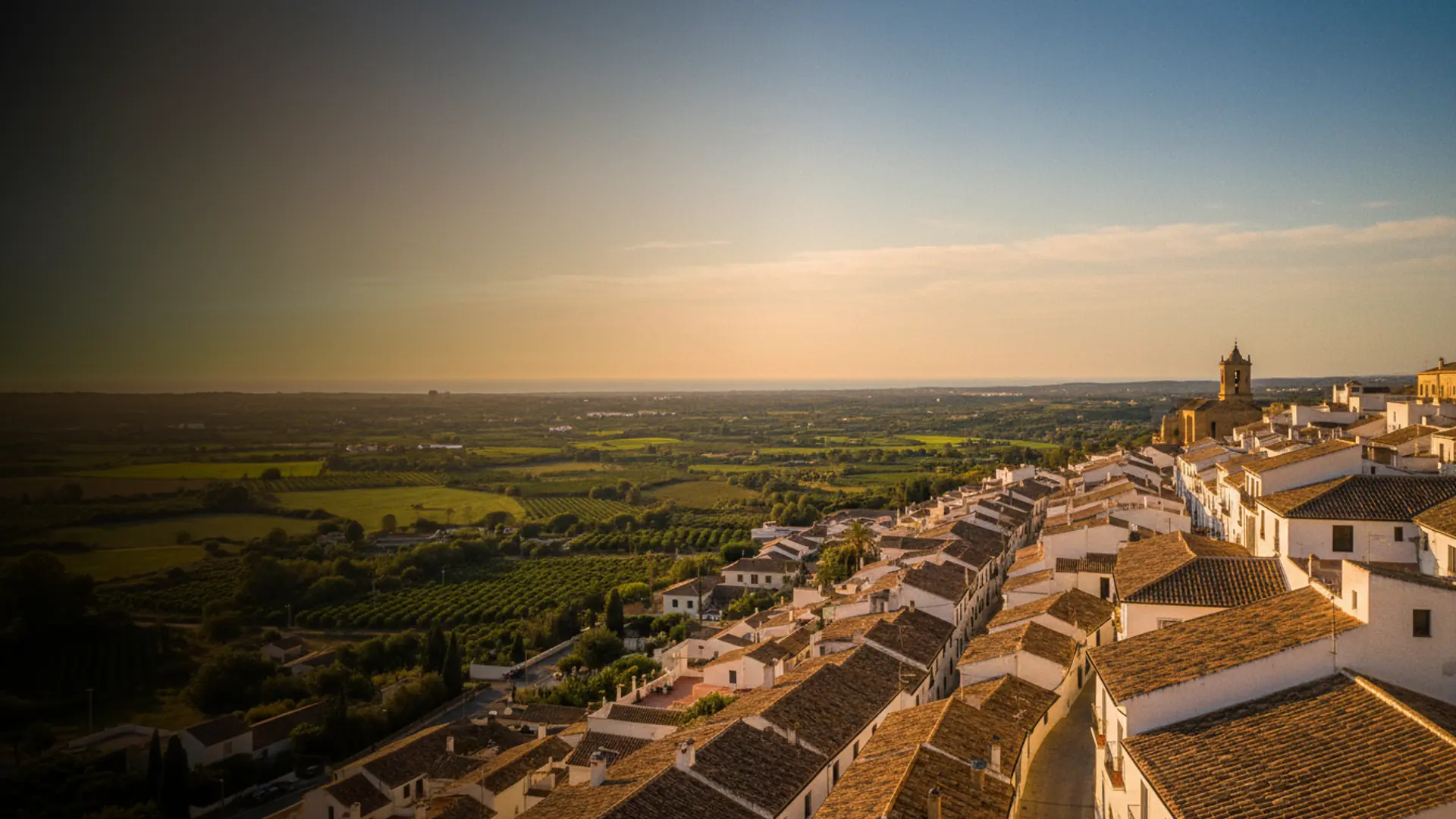
Best towns near Valencia
More space, family homes, and fast public transport links to central Valencia. Still weighing the city barrios? Compare both options, or zoom out to Valencia vs Barcelona vs Madrid.
How to choose a town near Valencia
This page compares several towns and residential areas around Valencia to help you decide where to live outside the centre. Each card gives the commute by metro or Cercanías train, a typical rent band for a chalet, the character of the town and what stands out locally.
Four things decide most moves: how long the trip takes once you add the walk at each end, what housing costs, whether supermarkets and schools work without a car, and whether the town suits the life you want. Commutes are shown by line, because the metro network and the Cercanías commuter trains run on different timetables and frequencies. Journey times on the cards are approximate, so confirm them on the operator's timetable.
Every town here is its own municipality with its own town hall, and its official population figures are published by INE, Spain's national statistics institute. Prefer somewhere quieter? See the villages of the Valencia region, or ask our home-finding team what is available.
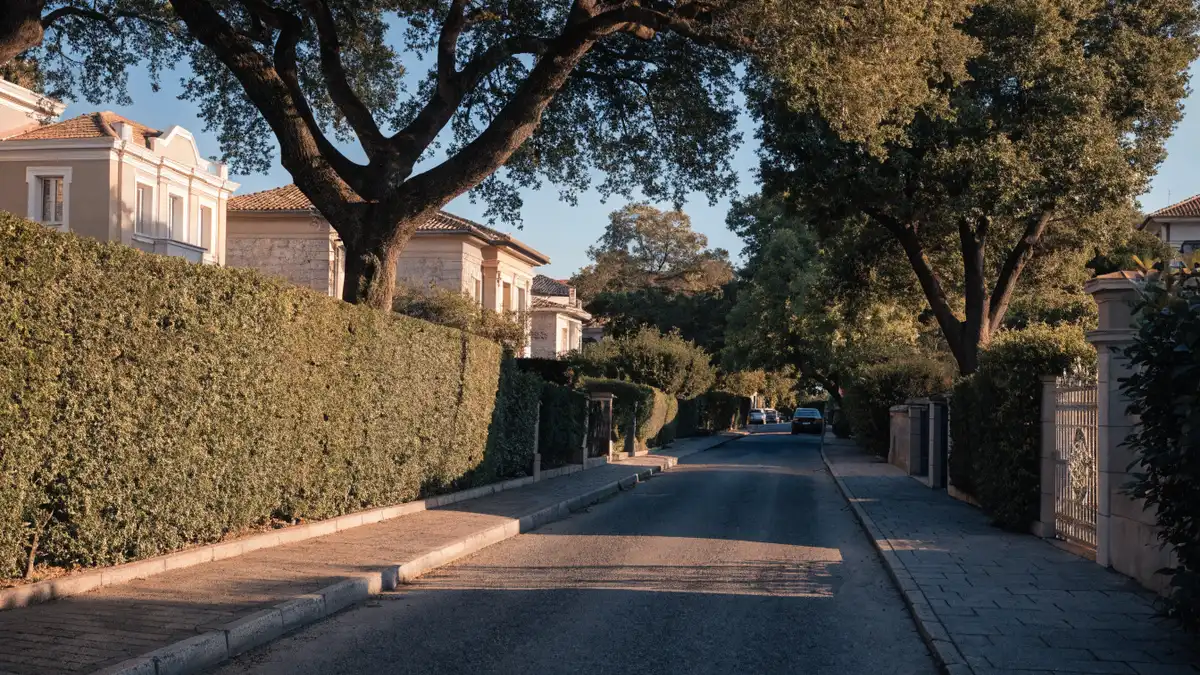
Photo: Ferbr1, Public domain
Rocafort (town near Valencia)
Highlights
- Luxury villas
- Cambridge House nearby
- Private club lifestyle
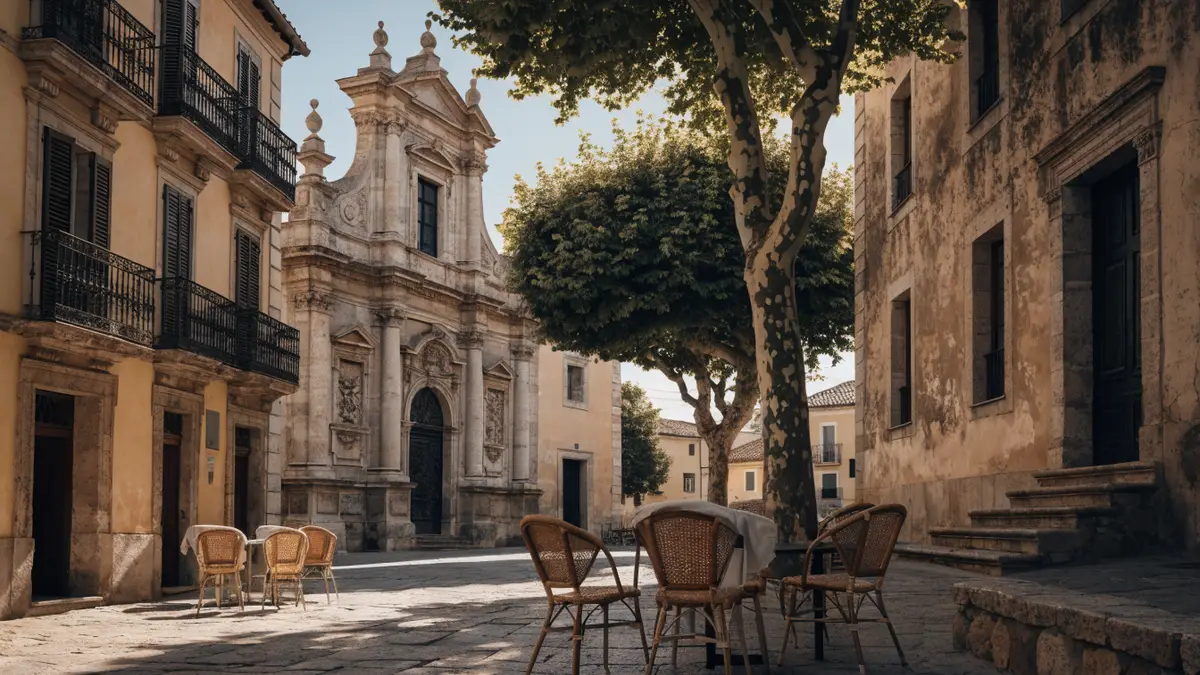
Photo: B25es, CC BY-SA 3.0
Godella (town near Valencia)
Highlights
- Strong schools
- Historic center
- International community
- Campolivar, a gated enclave with British and international schools (Los Olivos, Edelweiss)
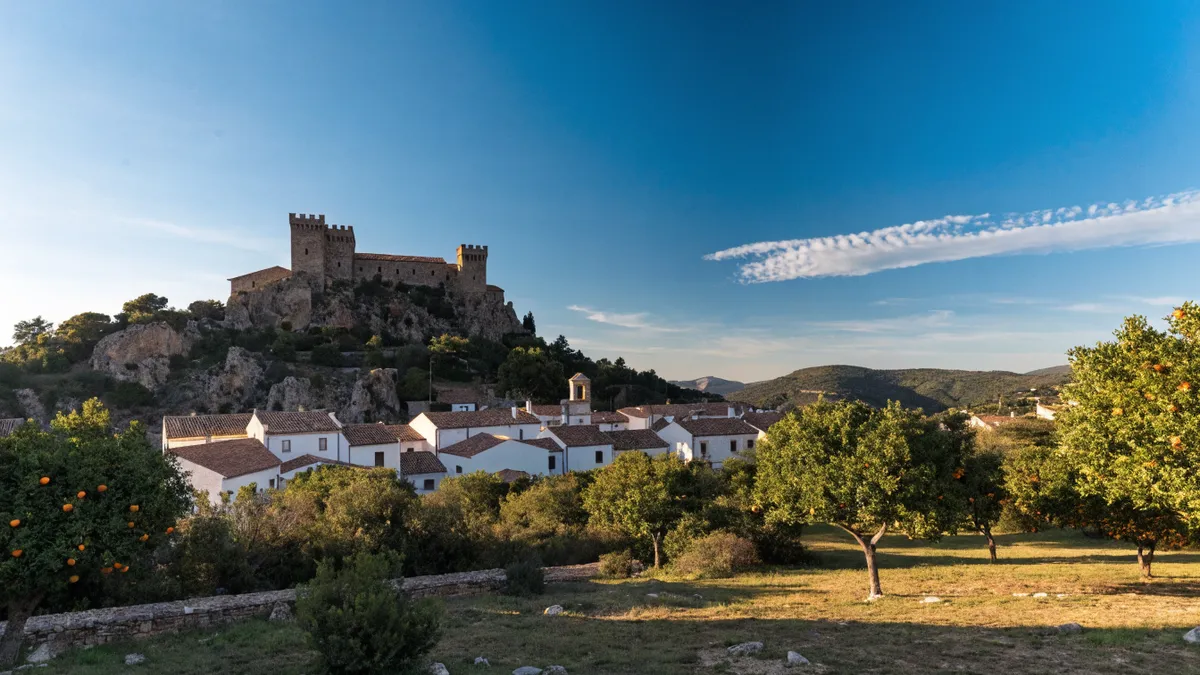
Photo: M4ttred1, Public domain
El Puig (town near Valencia)
Highlights
- Beach access
- Historic monastery
- Lower housing costs
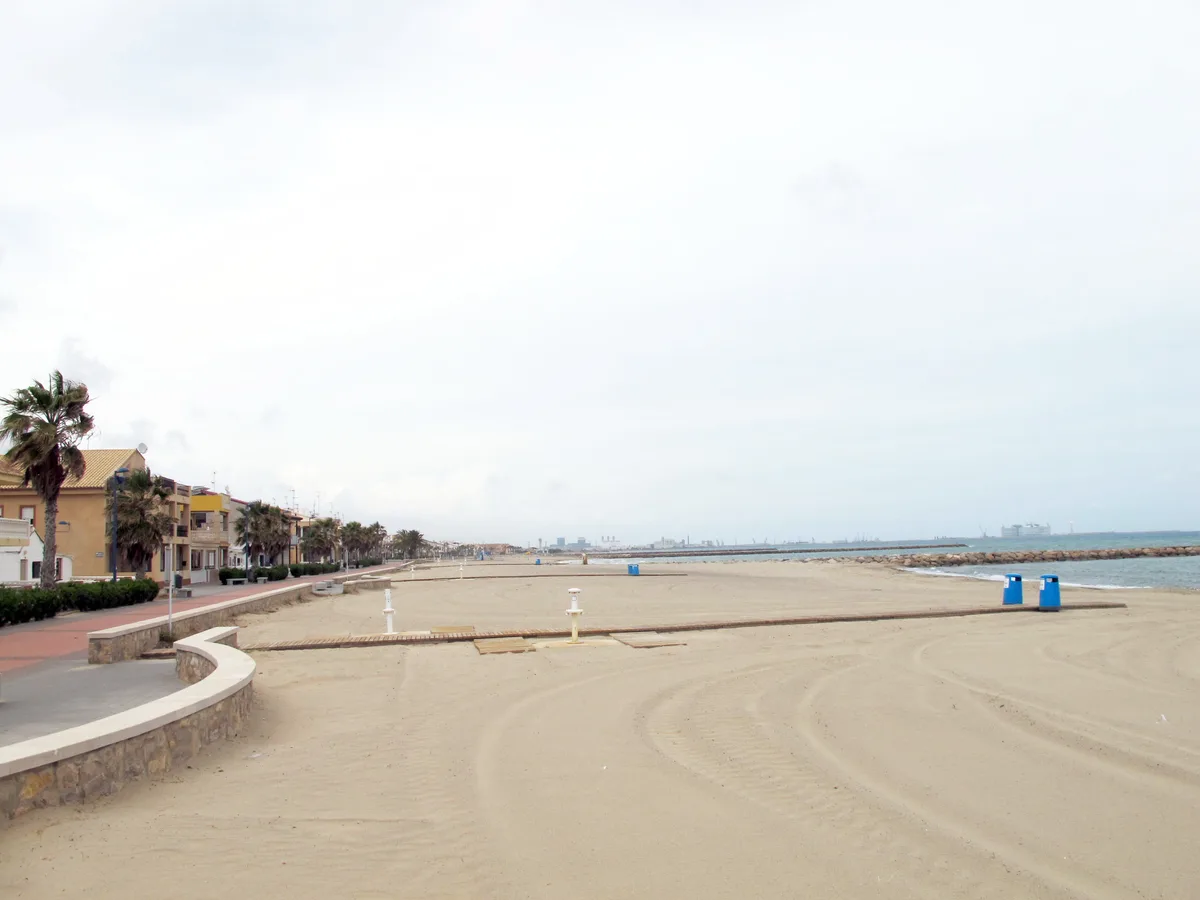
Photo: Tuquequeviajero, CC BY-SA 3.0
Puçol (town near Valencia)
Highlights
- Alfinach, a gated residential estate a short drive from the beach
- Its own stretch of sandy beach, quieter than Valencia's
- Los Monasterios gated estate, which straddles Puçol and Sagunt
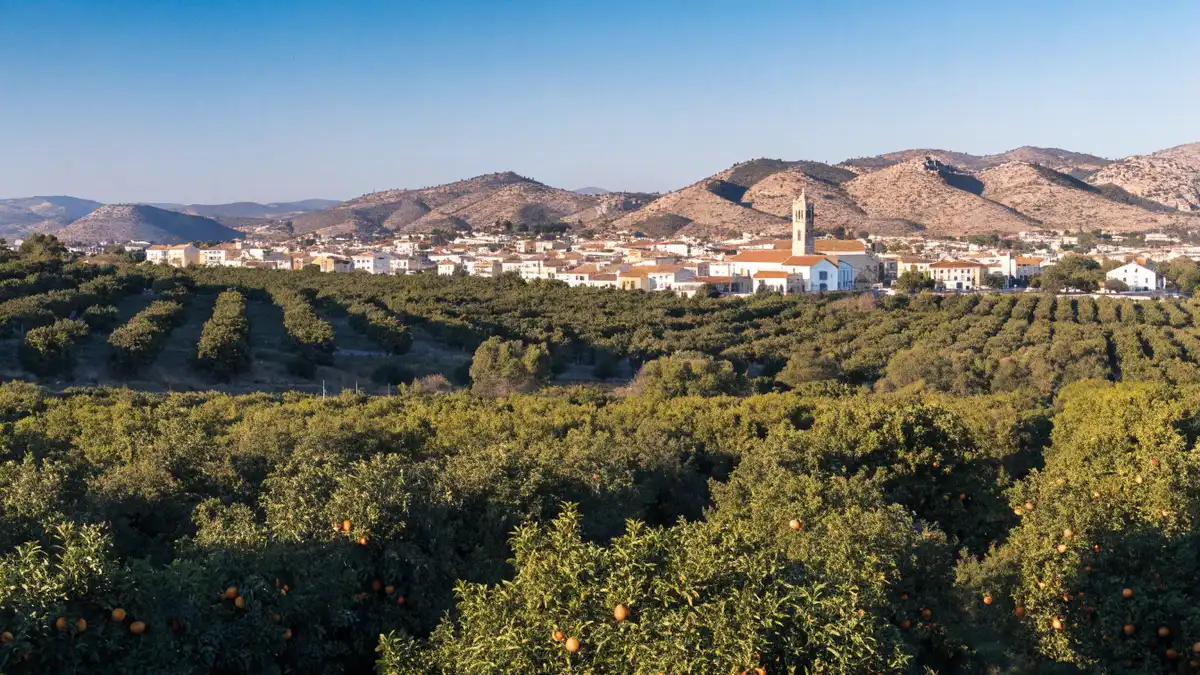
Photo: Ferbr1, Public domain
Betera (town near Valencia)
Highlights
- Mountain-foothill golf and the Mas Camarena urbanisation
- Large chalets with garden space
- Popular with retirees and golf enthusiasts
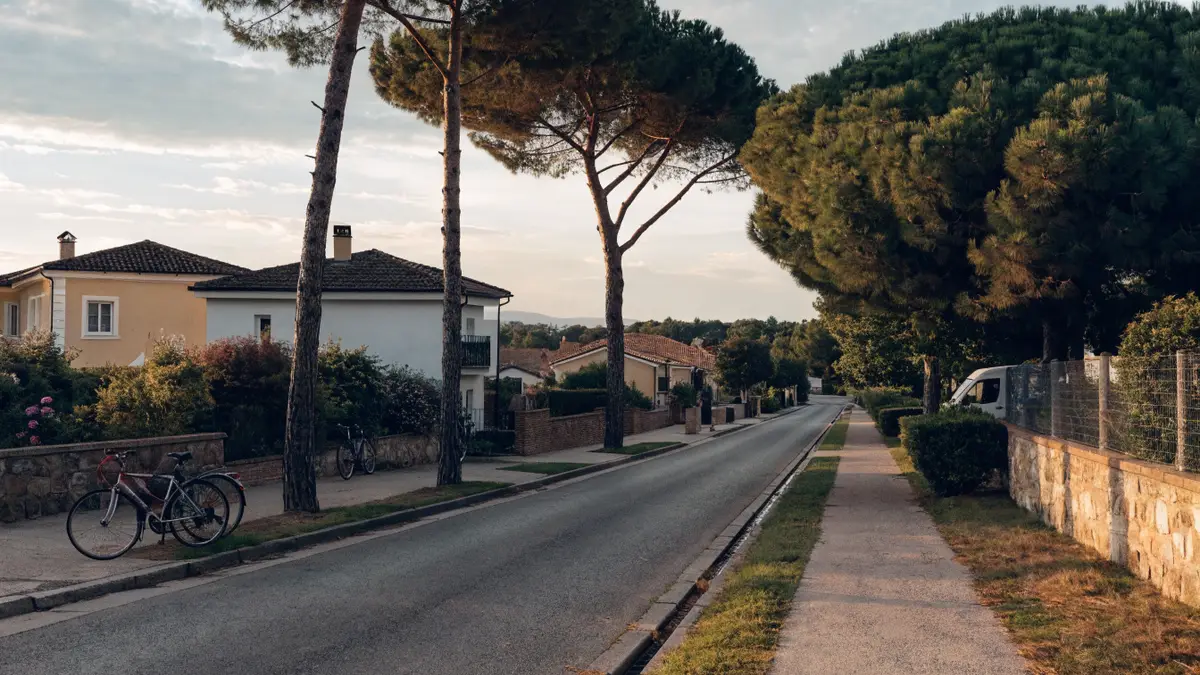
Photo: Enrique Íñiguez Rodríguez (Qoan), CC BY-SA 3.0
L'Eliana (town near Valencia)
Highlights
- Four metro stations spread across the town, with several options for getting around
- All amenities on the doorstep - shops, sports, health
- One of the most family-friendly towns in the Garden Belt
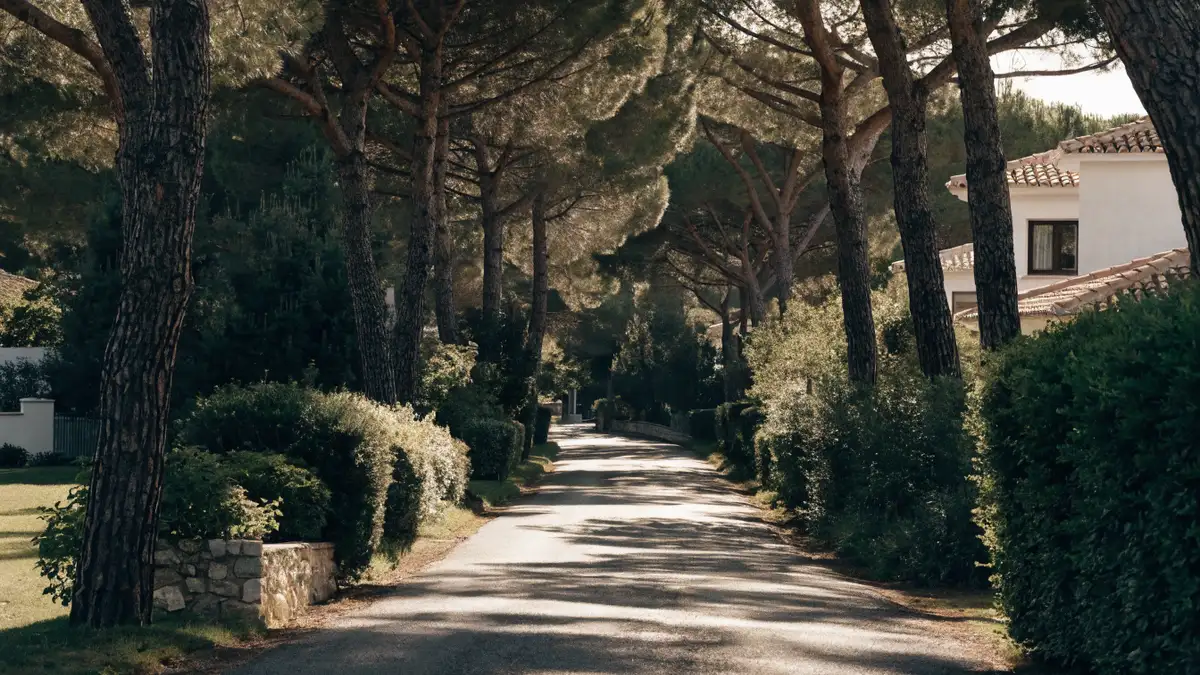
Photo: Enrique Íñiguez Rodríguez (Qoan), CC BY-SA 3.0
La Cañada (Paterna) (town near Valencia)
Highlights
- British College of La Cañada on site
- A nature reserve right next door
- Quiet residential streets, popular with families with children
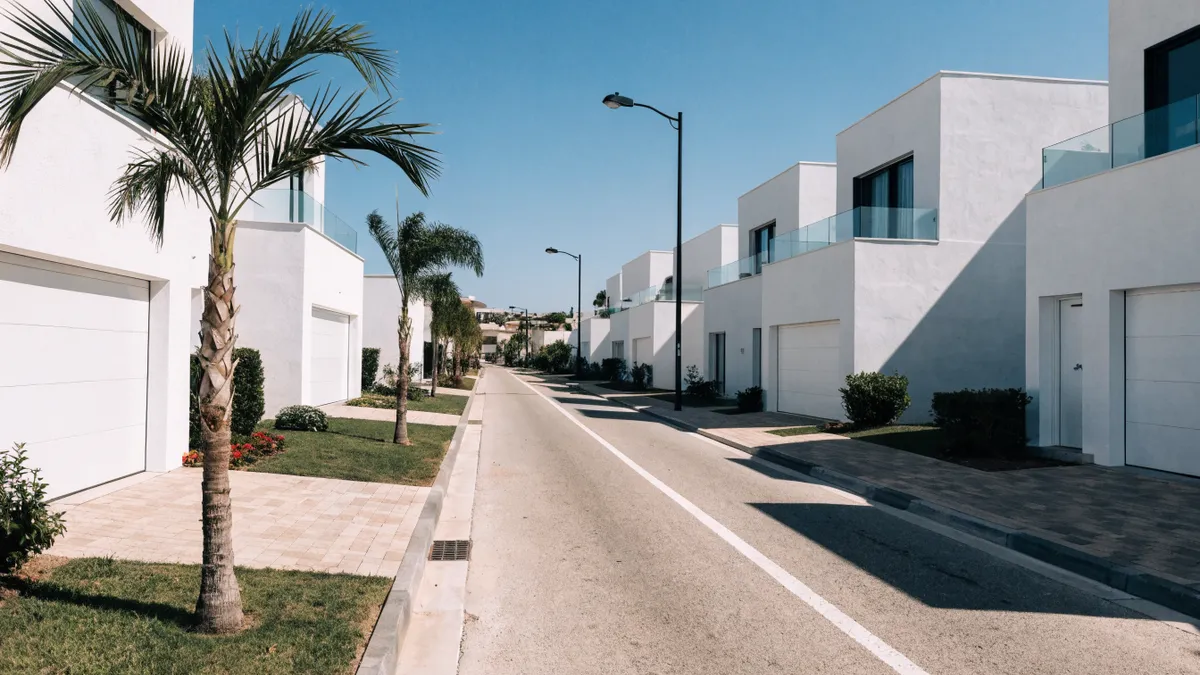
Photo: Enrique Íñiguez Rodríguez (Qoan), CC BY-SA 3.0
San Antonio de Benageber (town near Valencia)
Highlights
- Built from scratch in the 1950s and independent since 1997
- Plenty of newer-build housing stock
- Calm pace - a favourite with families and retirees
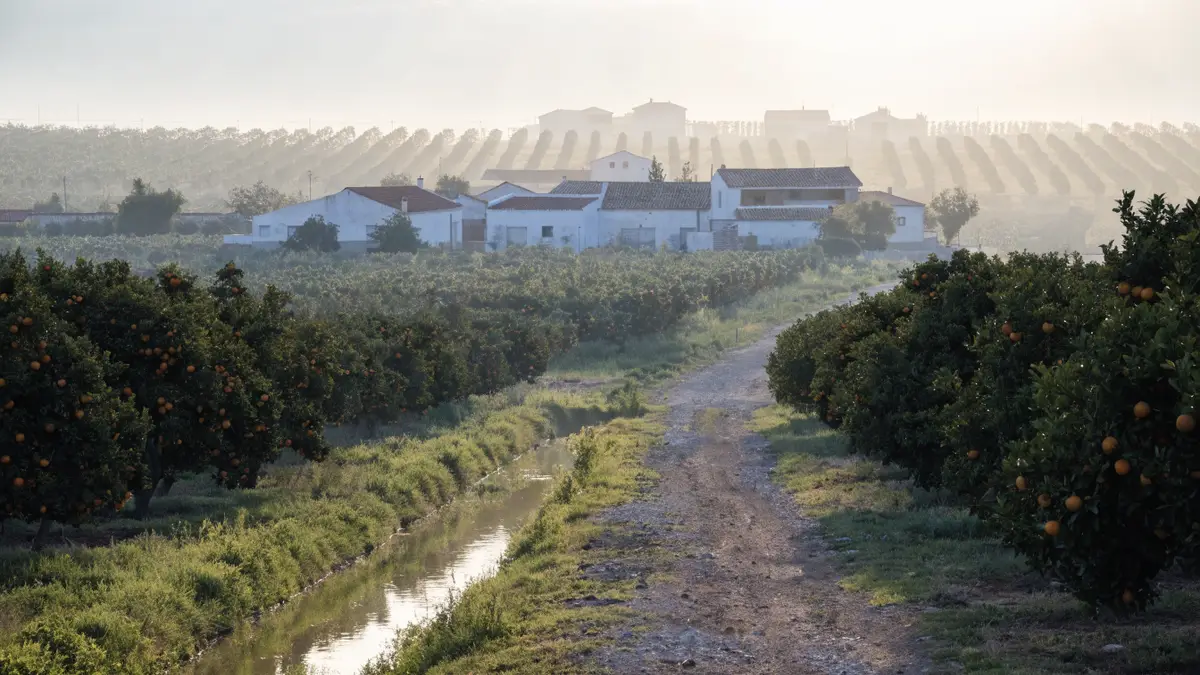
Photo: 19Tarrestnom65, CC BY-SA 3.0
Picassent (town near Valencia)
Highlights
- Among the more budget-friendly options on this list
- A real Spanish town rather than an expat urbanisation
- Quiet, with good local markets and services
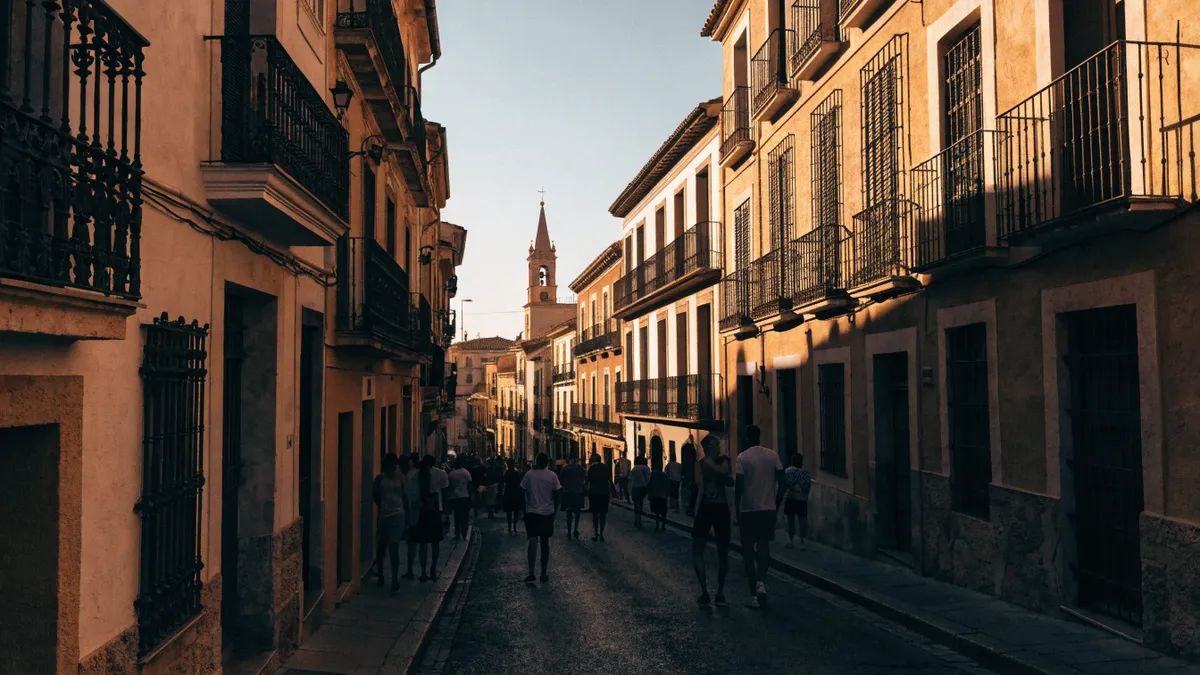
Photo: Enrique Íñiguez Rodríguez (Qoan), CC BY-SA 3.0
Moncada (town near Valencia)
Highlights
- CEU Cardenal Herrera university campus nearby, with a student lifestyle
- Metro Line 1 to the city
- Spanish-Valencian working town, lower rents than the Garden Belt
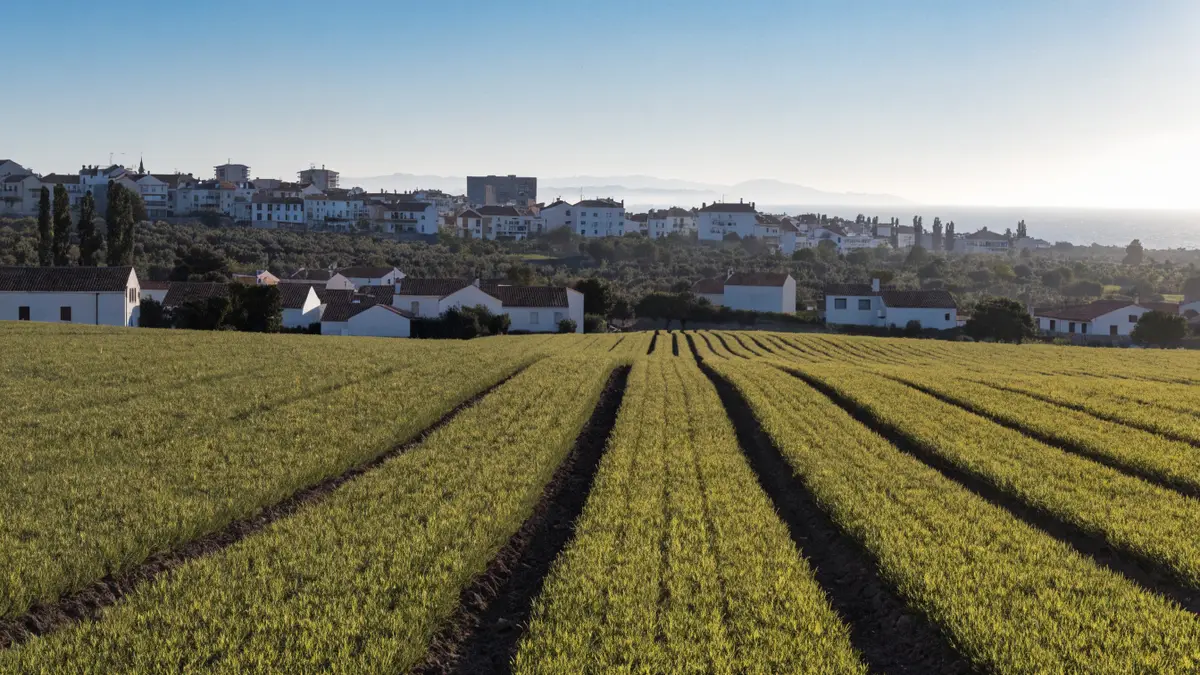
Alboraya (town near Valencia)
Highlights
- Patacona and Port-Saplaya beaches on the doorstep
- Origin of horchata, chufa farms still ring the town
- Metro Lines 3 and 9 run to the city centre
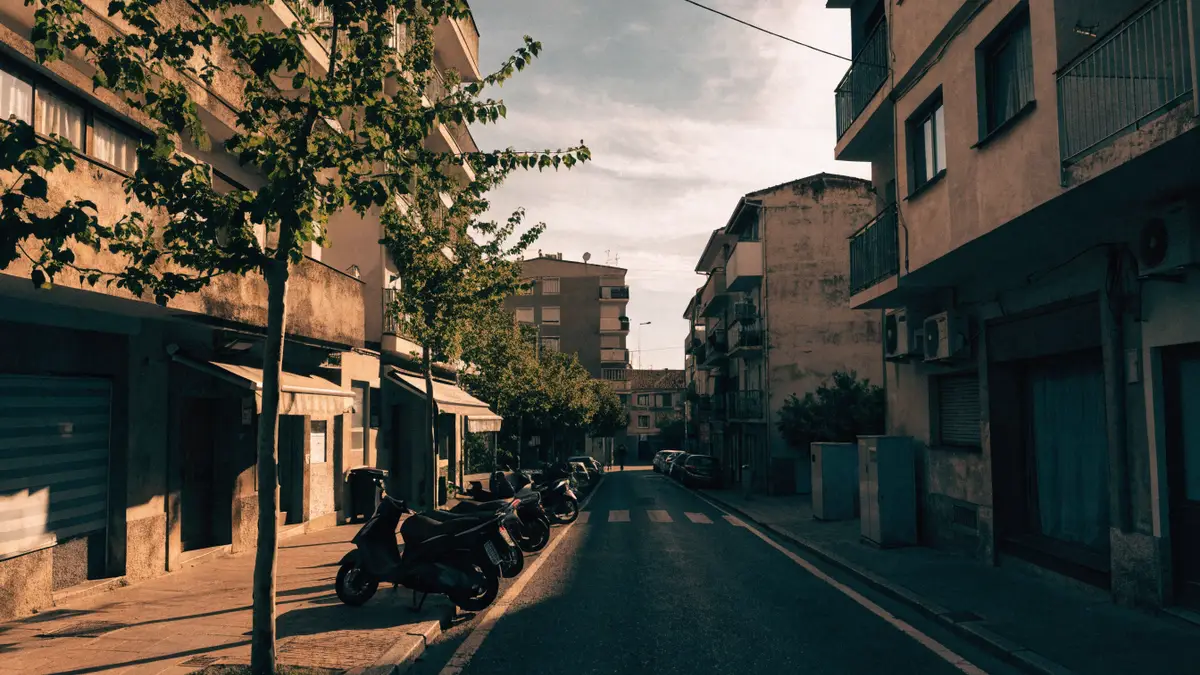
Photo: Joanbanjo, CC BY-SA 3.0
Tavernes Blanques (town near Valencia)
Highlights
- Closer to Valencia centre than any other town option
- Lower rents than equivalent flats in Valencia itself
- Bus and metro links to Valencia, and the Alboraya seafront close by
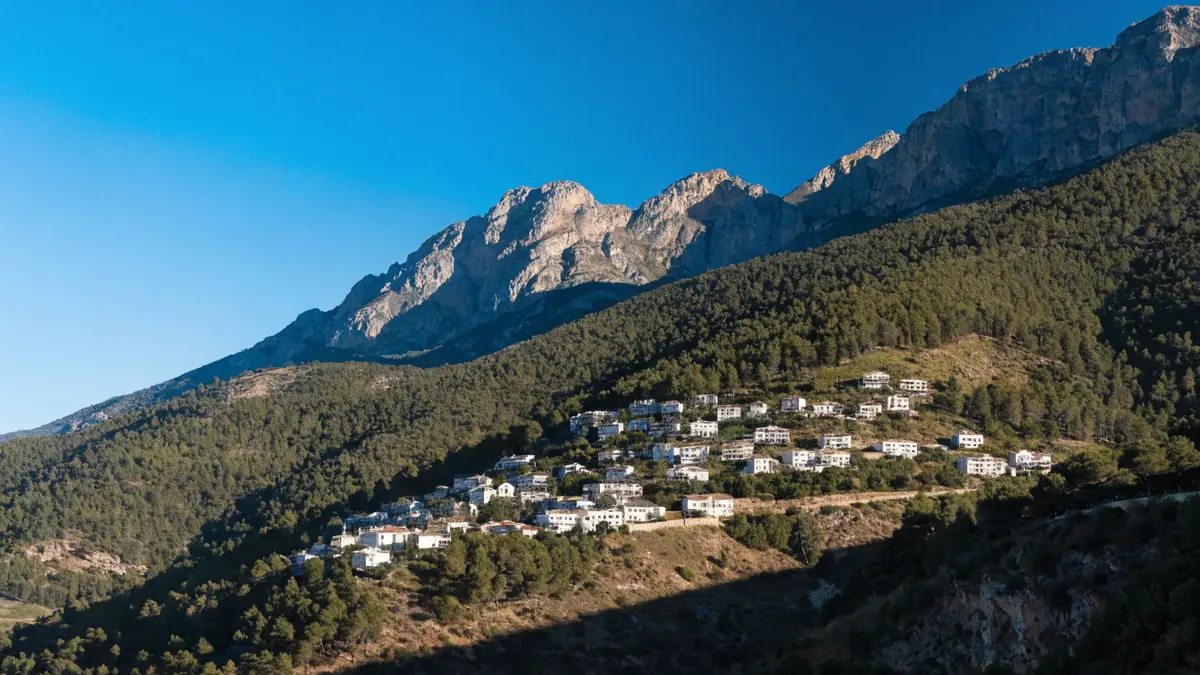
Photo: 19Tarrestnom65, CC BY-SA 4.0
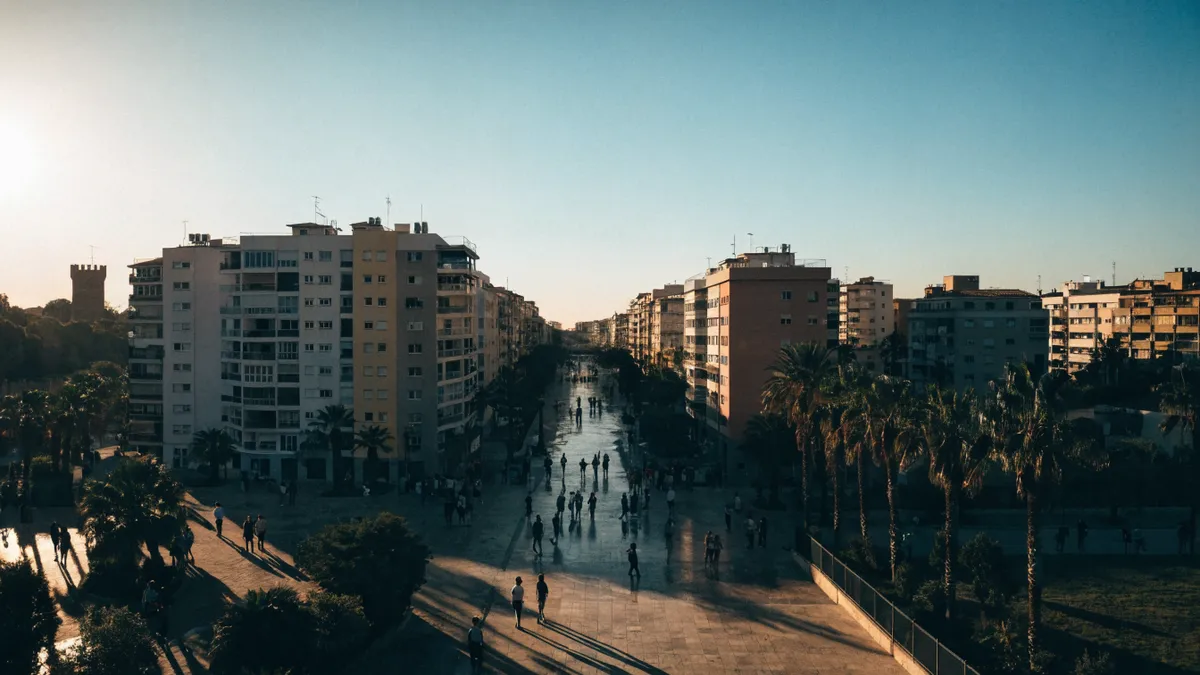
Naquera (town near Valencia)
Highlights
- Sierra Calderona on the doorstep, hikes from your door
- Detached villas with large gardens, country-house feel
- Among the quietest inland towns, and a car is essential
Torrent (town near Valencia)
Highlights
- The largest satellite town in the Valencia metro, around 90,000 residents
- Three metro lines, hospitals, full retail - rarely a reason to go into the city
- Mix of working-class Spanish neighbourhoods and quieter family urbanisations
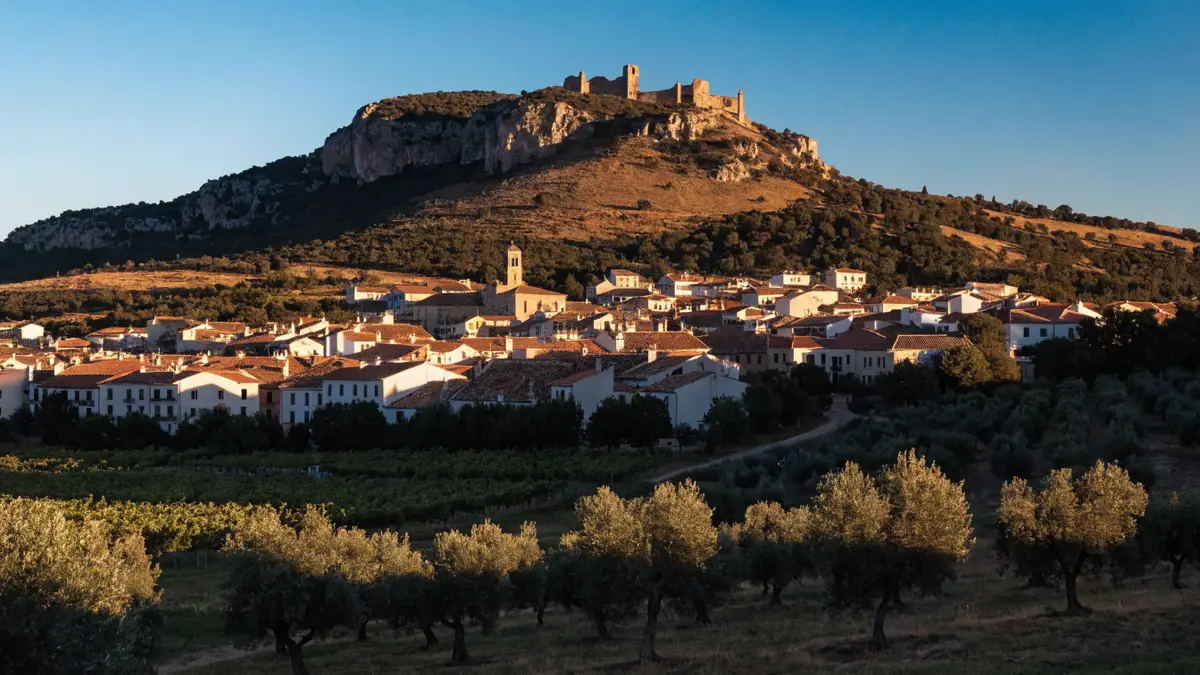
Photo: B25es, CC BY-SA 3.0
Chiva (town near Valencia)
Highlights
- Edge of the Utiel-Requena wine region
- Affected by the October 2024 DANA flood - reconstruction ongoing in some areas
- Lower rents than most inland towns, with a country-side feel
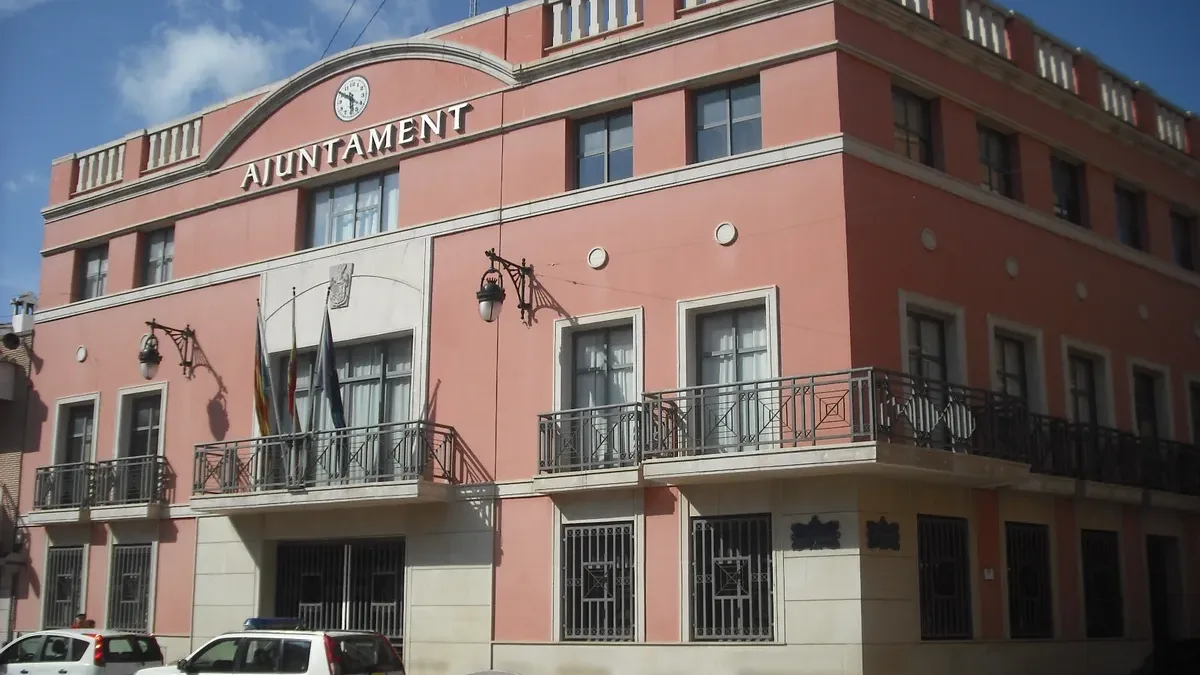
Photo: Enrique Iniguez Rodriguez (Qoan), CC BY-SA 3.0
Rafelbunyol (town near Valencia)
Highlights
- Northern terminus of Metrovalencia Line 3
- A small town at the end of the line, with a quieter pace
- Lower rents than most towns on this page
In-depth guides to towns near Valencia
Many of the towns above have a full guide of their own: the commute line by line, sourced rent and sale figures dated to the month, the schools, and an honest read on who each place suits.
L'Eliana (town guide)
Five Metro Line 2 stations, an international school in town, and the highest prices of the three.
Read the guideLa Pobla de Vallbona (town guide)
The biggest town in the Camp de Turia, with a working centre that rents below the municipal average.
Read the guideLlíria (town guide)
The comarca capital and the end of the line: a UNESCO music town at 1,352 EUR per square metre.
Read the guideRiba-roja de Túria (town guide)
Its own metro line and a Visigothic palace, but a station the town hall runs a free shuttle bus to reach.
Read the guideSan Antonio de Benagéber (town guide)
Built from scratch in the 1950s, independent since 1997, and the fastest growing town in the comarca.
Read the guideNáquera (town guide)
A quarter of the municipality sits inside the Sierra Calderona. One primary school, no secondary, no metro.
Read the guideSerra (town guide)
The cheapest houses near Valencia, in a natural park, with six buses on a Sunday.
Read the guideBetera (town guide)
The Line 1 terminus and the gated estates, with a 49 per cent price gap inside one municipality.
Read the guidePaterna (town guide)
The closest and biggest metro belt town, plus La Canada, its pine forest suburb of 12,000.
Read the guideGodella (town guide)
Twenty minutes out on Line 1, inside the single zone fare, and nearly city prices to buy.
Read the guideLiving in Alboraya (town guide)
The beach town on metro lines 3 and 9 that is not a Valencia barrio: city rents and a seafront that costs double.
Read the guideLiving in El Puig (town guide)
A Cercanías town rather than a metro one, with a monastery Jaume I founded and a beach made of pebbles.
Read the guideLiving in Puçol (town guide)
Sand, a blue flag and a British school, at the widest rent discount of any coastal town on this list.
Read the guideLiving in Picassent (town guide)
Half the city's rent, on metro line 1, in the orange groves. The prison is real and it is not what shapes the town.
Read the guideLiving in Moncada (town guide)
Three metro stations, a fare overlap that charges the city as one zone, and a rental market on a student clock.
Read the guideLiving in Torrent (town guide)
Not a village: ninety thousand people, three metro lines, and a price range inside the town wider than most gaps between towns.
Read the guideLiving in Tavernes Blanques (town guide)
Three quarters of a square kilometre with no station of its own, city rents, and a purchase price a third lower.
Read the guideLiving in Chiva (town guide)
Thirty kilometres inland on a Cercanías line, the cheapest housing on this list, and the town where the 2024 flood began.
Read the guideMislata (town guide)
Two metro stations on three lines, one of the densest towns in Spain, and rents a few euros below the city.
Read the guideXirivella (town guide)
No metro but a Cercanías station, rents clearly below the city and a 2024 flood worth asking about.
Read the guideLiving in Burjassot (town guide)
A metro town beside a university campus: line 1 stations, a sale index two thirds of the city's and an international school inside the town.
Read the guideValencia Commuter Towns: Transport Reality, Not Just Commute Minutes
Headline commute times look great until you add the walk at each end and the wait for the next train. The metro and the Cercanías trains also run at different frequencies, and Metro Line 1 is the line most of these towns depend on. Check these practical points before you commit:
One practical check that rarely makes it into a listing: if a town's housing runs up against forest land, ask the town hall which fire-prevention rules apply, usually a cleared strip around the housing and a perimeter track under the Generalitat's forestry and wildfire regulations. Our guide to wildfires in the Valencia region sets out the rules and the summer restrictions that come with them. Some of these towns also make a good base for a longer weekend: our day trips from Valencia guide covers Cullera, Montanejos and Peniscola.
Door to door, not station to station
Add 8-15 minutes on each side for walking + waiting. A 'Rocafort 15 min' commute is closer to 40 minutes door to office in Ruzafa.
Travel pass: SUMA monthly
SUMA Mensual gives unlimited trips for 30 days on Metrovalencia, EMT buses, Metrobus and Cercanías. The price depends on how many zones you cross and temporary reductions change, so check the current tariff before you budget.
A car still helps
Garden Belt towns are walkable but supermarkets, schools and weekend trips realistically need a car. Factor in insurance, fuel and, if you own, the annual IBI property tax.
The 'I'll just take the train' fallacy
El Puig sits on the C6 Cercanías line, where trains run less often than the metro and the last ones leave in the evening. Miss the last train and you are left with a taxi or a drive, so check the Renfe timetable first.
Renting Near Valencia: What to Check Before You Sign
Garden Belt rentals are mostly clean, but two patterns repeat. Check our Valencia renting guide for the full red-flag list:
- Listings priced 30%+ below market in Rocafort or Betera with photos that look pulled from a UK or German site - reverse-image search the gallery before paying any deposit.
- Owner asking for first month + 2-month deposit + €600 'agency fee' before the visit. On a standard residential lease the landlord bears the management and contract costs, so a tenant being asked for an agency fee is a red flag.
Towns near Valencia: frequently asked questions
What are the best towns to live in near Valencia?
Which towns near Valencia have a metro station?
How long is the commute from towns near Valencia to the city centre?
How much does it cost to rent a house in the towns near Valencia?
Do I pay an agency fee when renting near Valencia?
Do I need a car to live in a town near Valencia?
Looking for a chalet with a pool near Valencia?
Premium homes often move off-market. Our home-finding team can help you access trusted local supply.
Start Your Property Search