
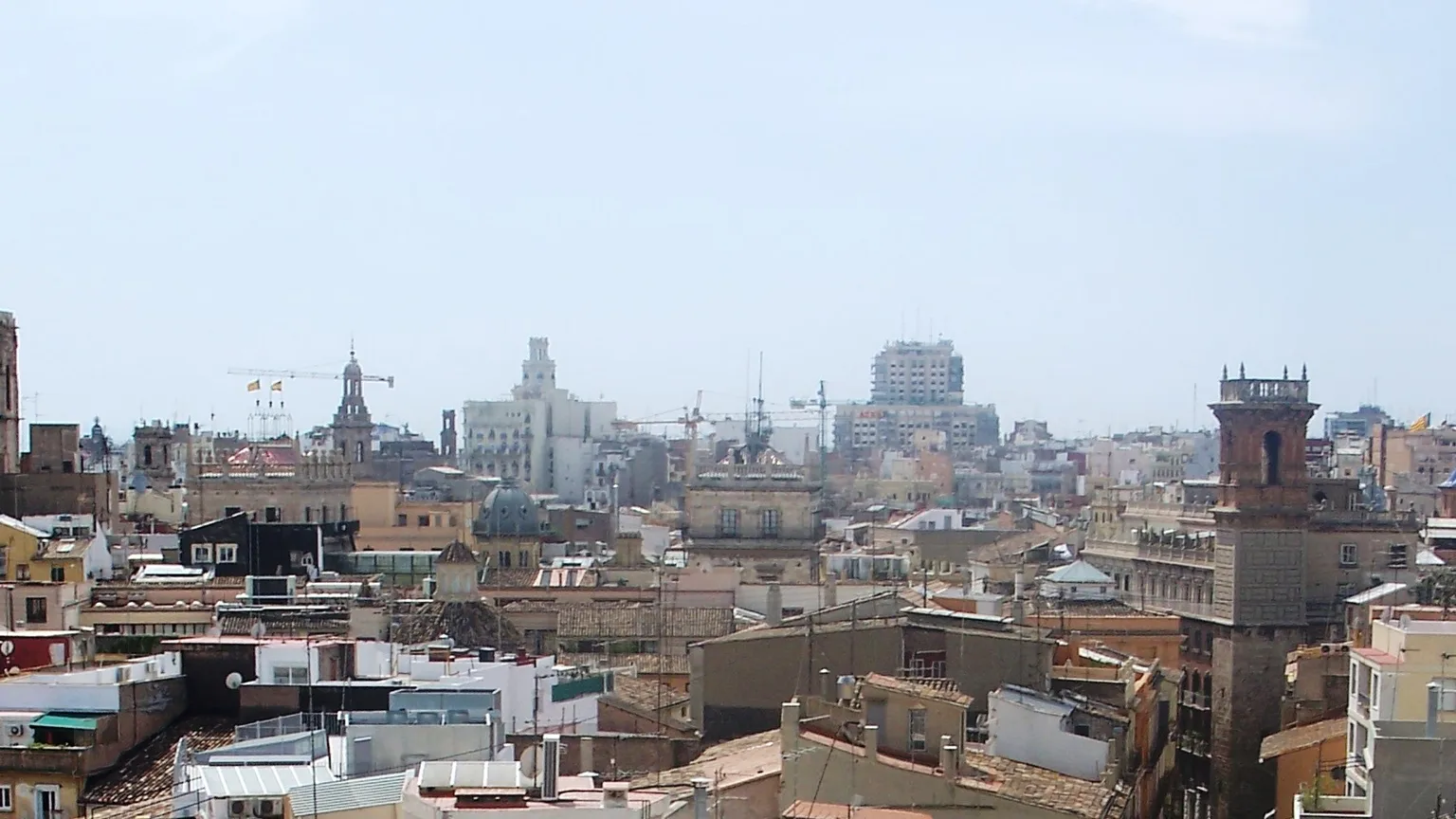
If you are weighing a move to Spain, the climate in Valencia is usually the first thing that tips the decision. The good news: the region is known for mild winters, generously sunny summers and a humidity level that can spike, which matters if you love a day in the sun (or hate a heavy winter coat). Here is the honest, month by month version.
Valencia right now
Live conditions, updated the moment you load this page.
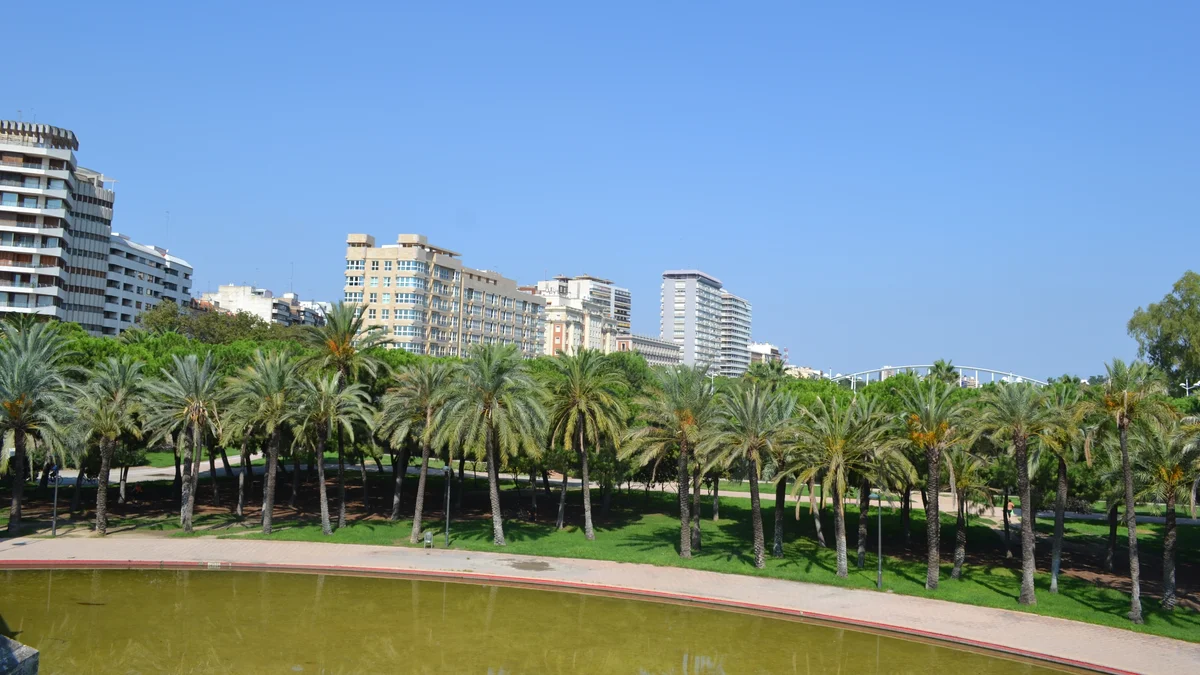
Valencia Climate: A Mediterranean Climate with a Subtropical Edge
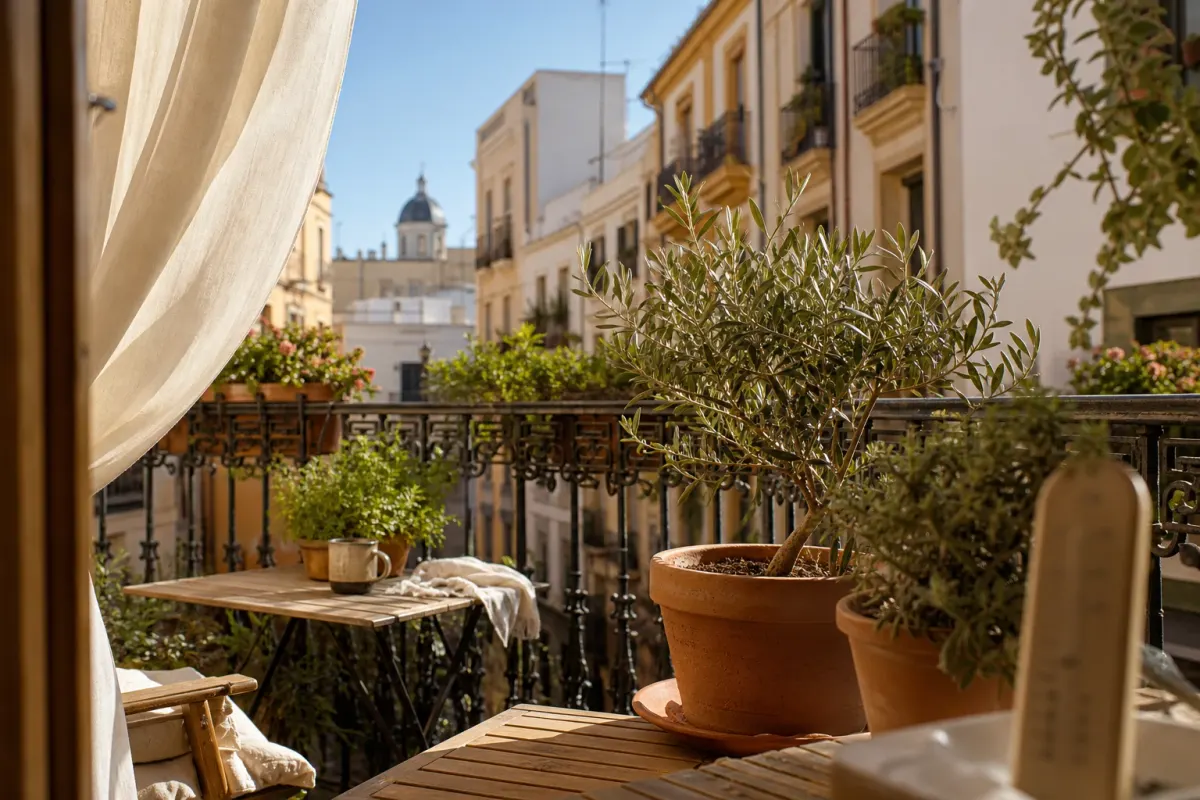
Valencia sits under a classic Mediterranean climate with subtropical influences. Temperatures typically range from around 6C in winter to over 30C in summer. Because rainfall is limited and summers run hot, some classifications place the city in a semi-arid zone (Koppen BSh).
The city averages about 475mm (about 19 in) of rain a year and gets sun more than 2,600 hours a year. Humidity climbs noticeably in the hottest months, which makes the heat feel stronger than the thermometer suggests.
Average temperatures by month
Typical daily low and high, in Celsius
Summer: late June to early September
Summer runs from late June to early September, peaking in August when highs brush 30C. The sea breeze keeps things bearable, but humidity adds to the sensation of heat. The best window for the beach is late June to early September, with water temperatures around 26C in August. Long, bright days invite late nights out.
Expect weekends built around a swim followed by tapas on a terrace. For a rundown of the coastline itself, see our Valencia beaches guide. Summer is also fire season inland, which is a topic of its own: see our guide to wildfires in the Valencia region.
Winter: mild, with a windy January
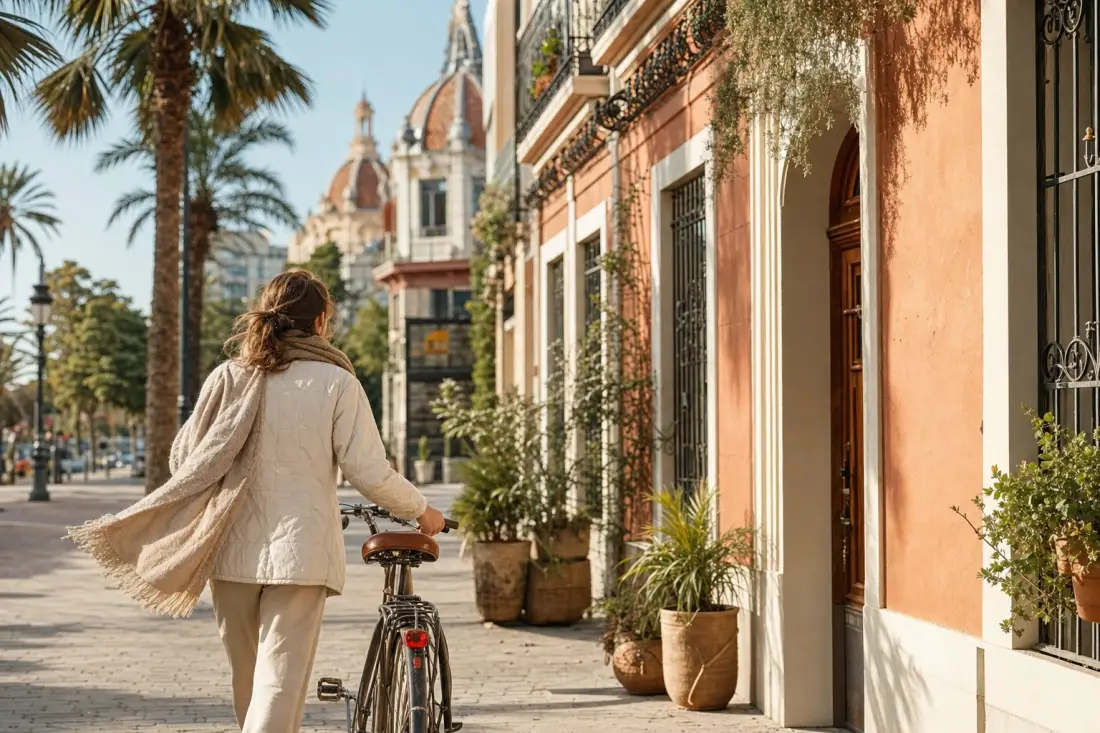
Once autumn fades, winter here is genuinely mild. Temperatures oscillate between 6C and 16C, which makes a heavy coat far less necessary than it would be further north. January tends to be the windiest month, with average wind speeds approaching 15km/h (about 9.3 mph), worth knowing if you get around on a scooter or bike.
Days are shorter but still sunny enough for an afternoon walk. Outdoor plans do not really stop for winter here, you just plan around the occasional gust.
The rainy stretch: autumn showers, not a monsoon
Valencia does have a rainy season, concentrated between August and June with a peak in October, when the city sees roughly 77mm (about 3 in) of rain on average for the month. It is not a deluge, but keep an umbrella handy on those days. Sporadic autumn storms happen, and showers here tend to be brief, with sun returning quickly. The rain also keeps the city's parks and street trees green through the year.
The exception is the DANA, the cut-off low that parks over the coast in autumn and can drop a season of rain on one comarca in a few hours. It is a different phenomenon from an ordinary shower and it comes with its own warning system, so it is worth learning how to read an AEMET alert before October.

Best months to house hunt
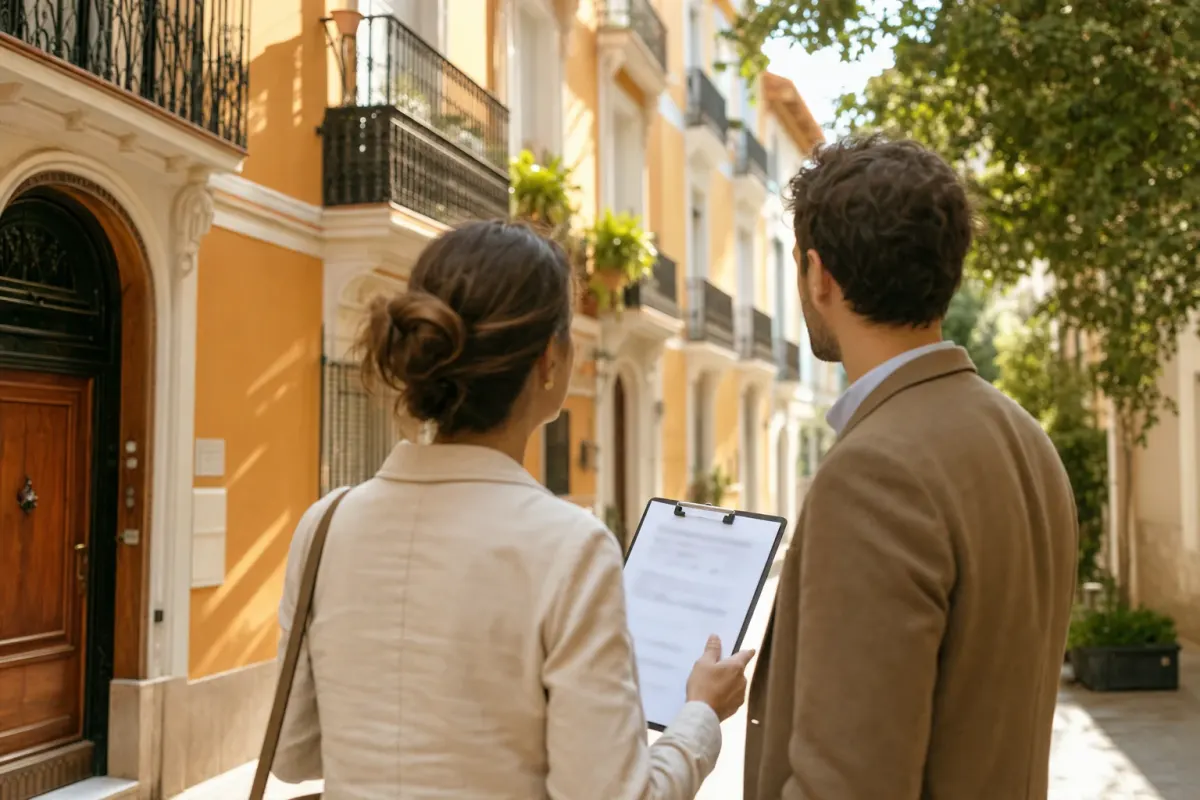
If you are planning a long-term move, you will likely be scanning the Valencia real estate market at some point. May through July, and September through mid October, are the sweet spot: weather is balanced, neither too hot nor too wet, which makes it easier to compare neighborhoods without the distraction of extreme heat or rain. Late summer, once the peak crowds thin out, is also a good window to talk to residents and get an honest read on daily life in a given area.
In short, Valencia delivers a pleasant climate most of the year, with long sunny summers and mild winters bookending a short, forgiving rainy season in autumn. Most people who move here end up appreciating the balance of sun, moderate heat and near constant light more than they expected, especially if a slower, more outdoor-oriented daily life is part of the appeal.
Planning your move around the weather?
We help you time your house hunt, pick a neighborhood and handle the paperwork, so the only thing left to plan is the beach schedule.
Contact us
About the author
Michael Bastin
Founder, ValenciaMove - Valencia since 2016
Michael moved to Valencia in 2016 and has helped dozens of families relocate since. He writes every guide on this site personally and verifies every fact against Spanish government sources before publishing.
Buy Michael a coffeeNeed help with your move?
Contact us. We handle visa, admin, and housing so you can focus on the exciting part.