

Spain is genuinely pet-friendly, and there is no quarantine for dogs, cats and ferrets that arrive with the right paperwork. The catch is the order and timing of that paperwork: get the sequence wrong and your animal is grounded. The single rule that trips up the most people is that the microchip must go in before the rabies vaccination, never after.
Pet logistics often sync with the residency timeline: your animal travels around the same week you fly in for keys and the foreigner-ID appointment. If you have not booked the latter, the NIE cita previa hacks for Valencia show the 08:00 sede refresh window so the two arrivals do not collide.
Chip First, Then Vaccinate: The Order Spain Actually Requires
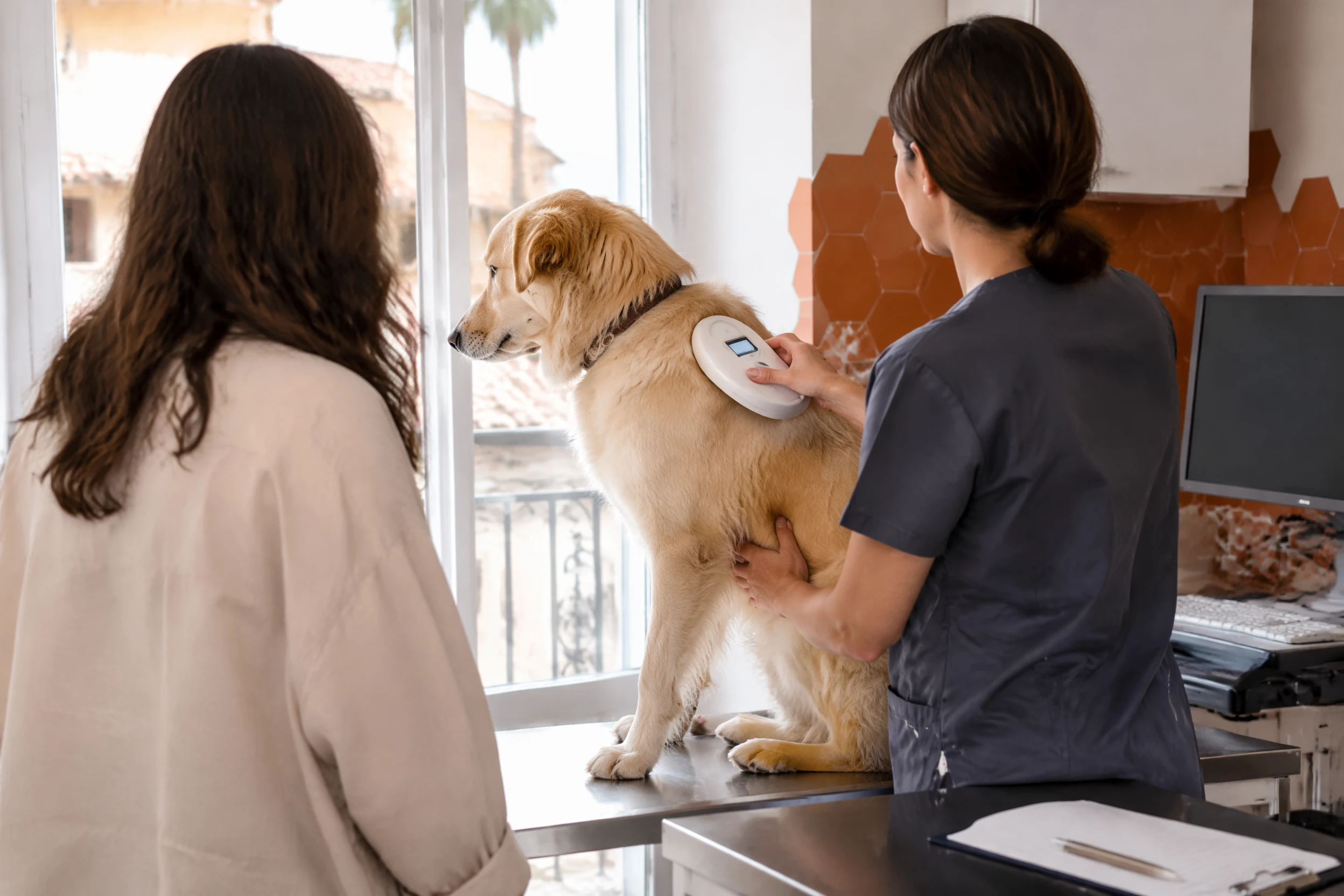
For Spain to recognise your pet's rabies vaccination, the ISO 11784/11785 microchip must already be implanted when the vaccine is given. The vaccine itself must then be administered at least 21 days before you travel. If your pet was vaccinated before being chipped, you have to re-vaccinate and restart the 21-day clock - so check the dates on the vet records first, before you book anything.
Moving From Another EU Country
- ISO 11784/11785 compliant microchip.
- Valid rabies vaccination, given after the microchip and at least 21 days before travel.
- EU pet passport from an authorised vet.
Moving From the UK After Brexit

- ISO 11784/11785 microchip, then a valid rabies vaccination given at least 21 days before travel.
- DEFRA-endorsed EU-format health certificate, issued within 10 days of travel.
- No tapeworm (Echinococcus) treatment is required for mainland Spain - that requirement applies only to Ireland, Finland, Malta and Norway.
- Good news post-Brexit: the rabies titre blood test is no longer required for Spain.
After arrival, many owners switch to an EU pet passport through a local vet so future EU travel is simpler.
Moving From the USA, Canada or Australia
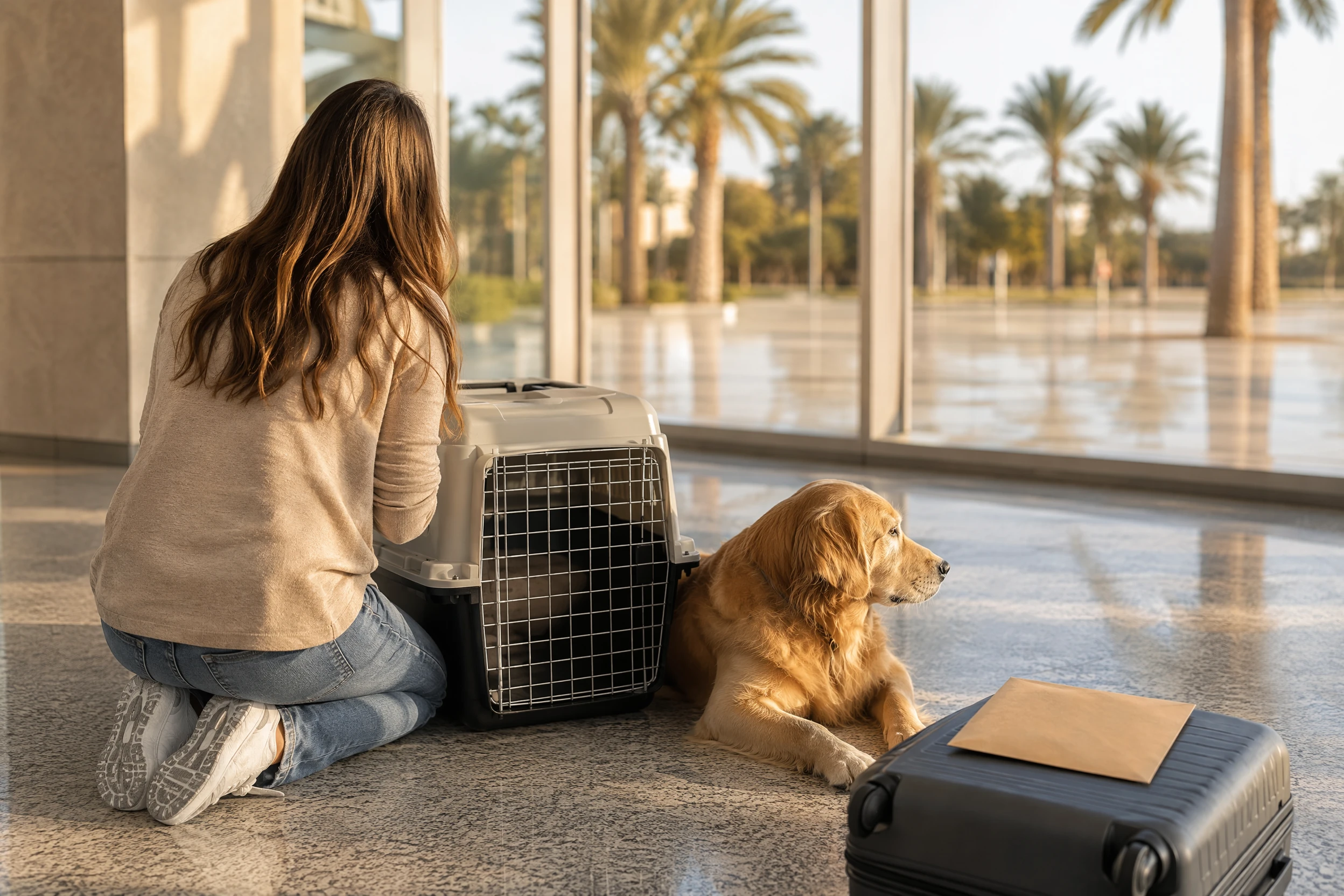
- ISO 11784/11785 microchip, then a valid rabies vaccination given at least 21 days before travel.
- An EU-format health certificate issued within 10 days of travel and government-endorsed - USDA APHIS for the US, the equivalent authority for Canada and Australia.
- For the US specifically, the certificate must be the bilingual English/Spanish version - Spain is on the APHIS bilingual list and the English-only certificate is not accepted.
- You must enter Spain through an approved Travellers' Point of Entry with veterinary control.
How many pets can you bring?
Under EU pet-travel rules you may travel with up to five companion animals per person without commercial paperwork. Bringing more is treated as a commercial movement and needs additional documentation.
Your Pre-Travel Timeline, Week by Week

- 12 to 8 weeks before: implant the ISO microchip, book vet appointments, crate-train your pet, and research airline pet policies.
- 6 to 4 weeks before: administer the rabies vaccine if it is not already valid, and confirm your crate meets IATA standards.
- 10 to 5 days before: get the official vet health certificate and submit it for USDA or DEFRA endorsement.
- Day of travel: present the documents to Sanidad Animal at the approved entry point.
Flying with Pets
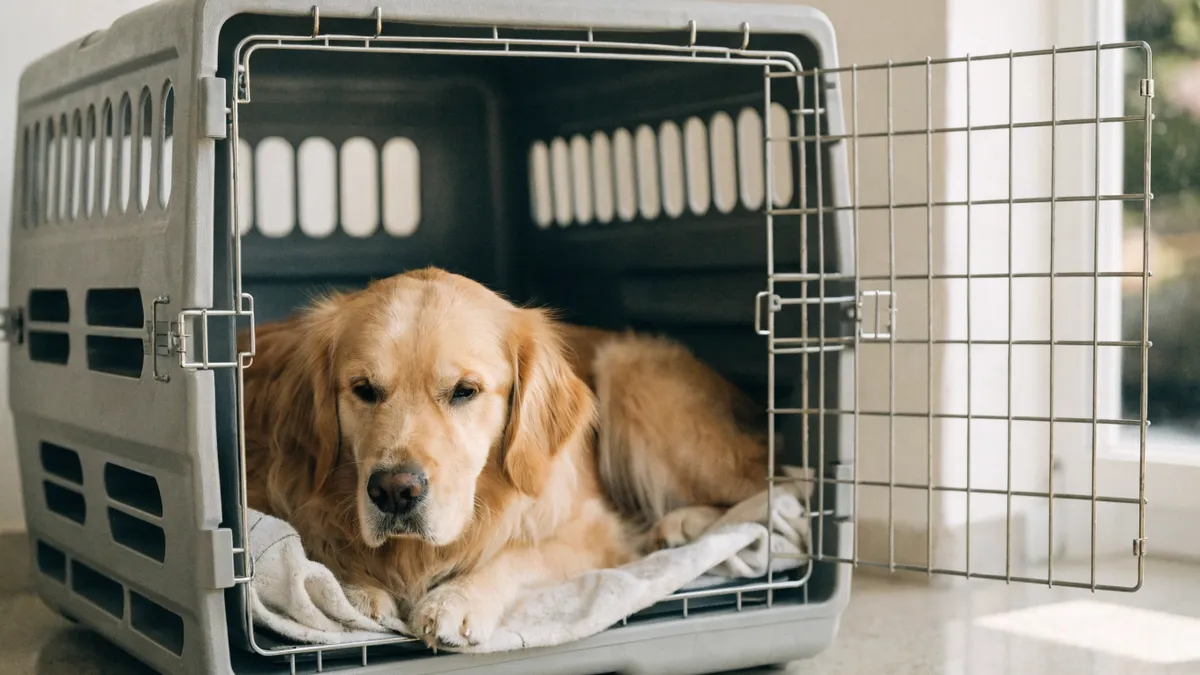
Cabin travel
- Small pets may fly in cabin within airline weight and carrier limits.
- Always verify route-specific rules before booking - they vary by airline.
Hold travel
Larger pets usually fly in the climate-controlled hold in an IATA-compliant crate. Confirm crate compliance 4 to 6 weeks before travel so there is time to buy the right size.
Transport companies
Specialist pet relocation companies can handle complex routes, crate sourcing and the full endorsement paperwork end-to-end. Worth the cost for non-EU moves where the certificate timing is tight.
After Arrival in Valencia
- In the Comunitat Valenciana, register your pet's microchip in RIVIA, the regional pet-identification registry (most vets do this for you at the same appointment) - not the separate national REIAC network, which coordinates the regional registries rather than taking owner registrations directly.
- Get a Spanish cartilla sanitaria (pet health booklet) from a local vet.
- Budget for the one-off municipal pet census fee where your town charges one - Valencia city's is about 10 EUR, paid once in the animal's lifetime rather than every year.
- If you have brought a restricted breed, apply for a PPP licence and arrange the required liability insurance.

Restricted Breeds (PPP)
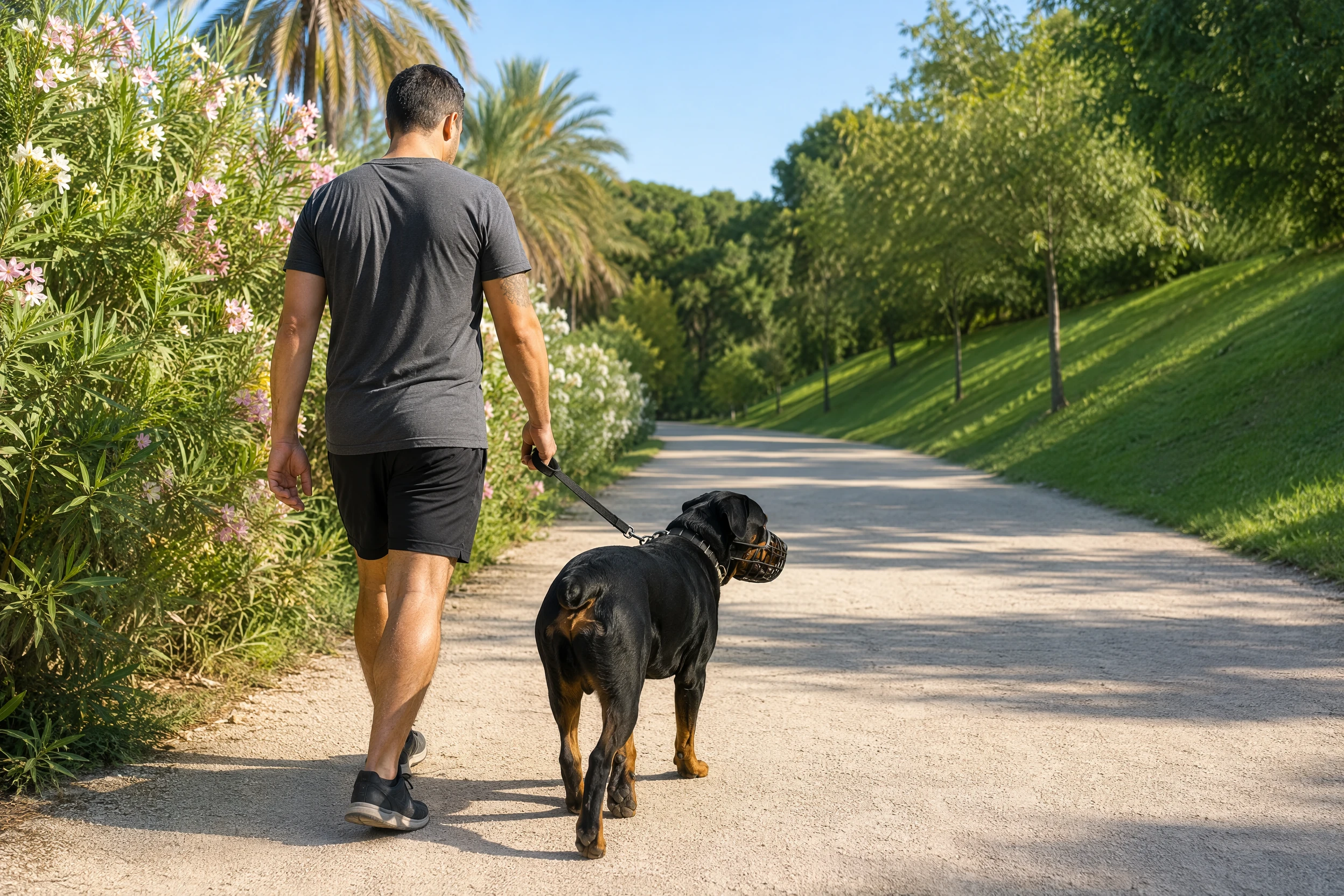
Spain classifies some dogs as Perros Potencialmente Peligrosos - potentially dangerous dogs. RD 287/2002's list includes the Pit Bull Terrier, Staffordshire Bull Terrier, American Staffordshire Terrier, Rottweiler, Dogo Argentino, Fila Brasileiro, Tosa Inu and Akita Inu, among others.
- You need a PPP licence from your local town hall.
- The dog must be muzzled in public and kept on a lead no longer than 2 metres.
- Third-party liability insurance is mandatory, typically 80 to 150 EUR per year.
- Sort the licence and insurance soon after arrival - fines for non-compliance are real.
Pet-Friendly Valencia: Parks, Beaches and Rentals
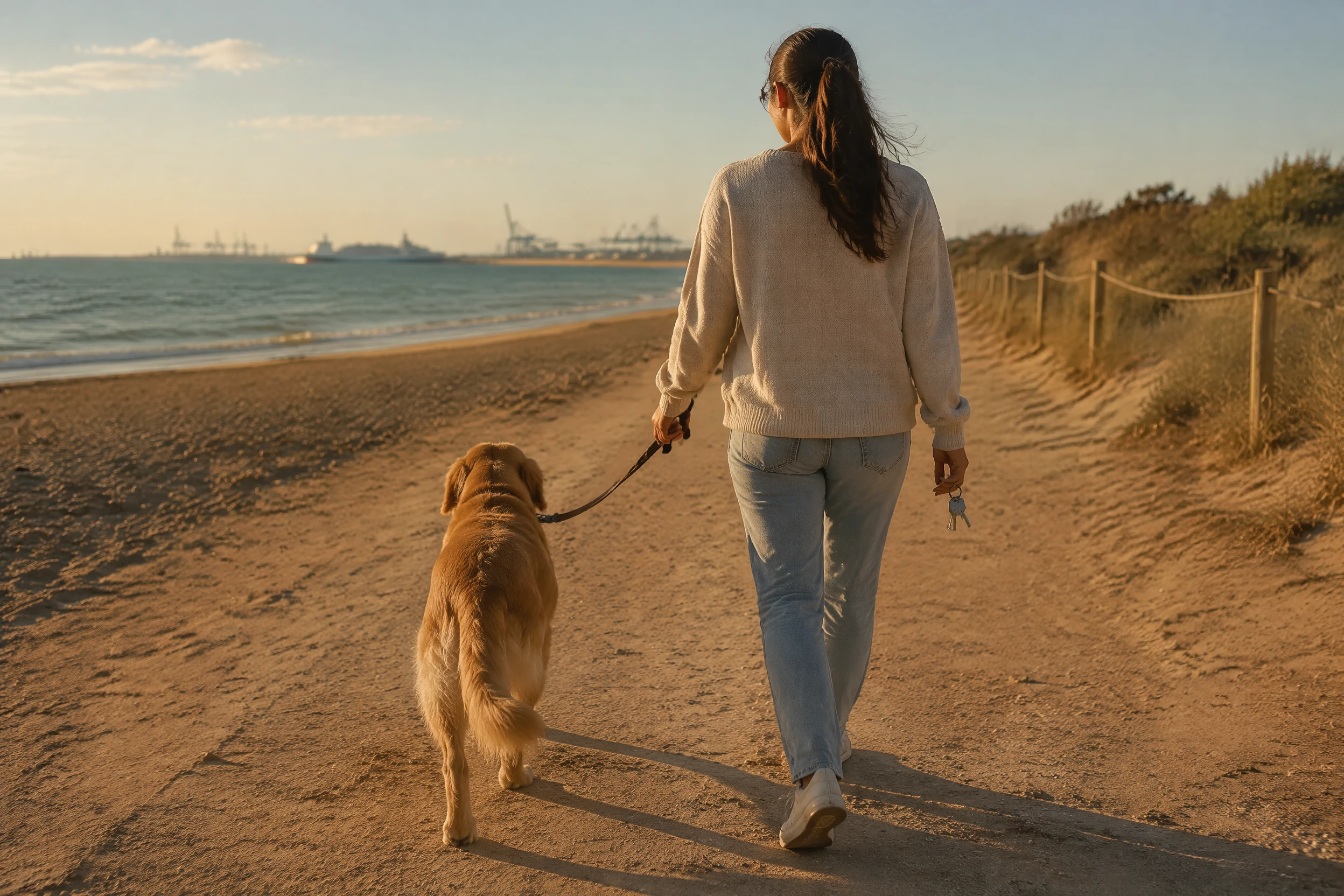
- Large green areas, including the 9 km Turia riverbed park, support daily walks.
- Dog beach access depends on the season - some stretches are off-limits in peak summer.
- Many terraces and cafes welcome pets.
- Pet-friendly rentals exist but the listing pool is smaller and landlords often ask for a higher deposit.
Pet-friendly rentals shrink the listing pool fast. Our guide to the best rental sites in Valencia covers the filters and WhatsApp groups that actually surface dog-allowed pisos, and the Valencia home-finding service pre-screens landlords on pet policy so you do not waste viewings.
Daily life: transport, parks and vets
On Metrovalencia, small dogs, cats and other small pets travel inside a closed carrier or transport bag. On EMT city buses, small dogs up to 15 kg (about 33 lb) are allowed, again in a carrier. On Renfe trains, dogs up to 10 kg (about 22 lb) can travel in a carrier on AVE and long-distance routes, and larger dogs up to 40 kg (about 88 lb) are now permitted on select AVE routes with a specific ticket.
The Turia Park, a 9-kilometer sunken park running through the city, is the crown jewel for dog owners, with several fenced-in pipicanes where dogs run off-leash. In summer, June to September, dogs are generally banned from the main city beaches, Malvarrosa and Patacona, but Playa Canina de Pinedo, just south of the city, is a dedicated dog beach enabled during the summer bathing season.
Veterinary care in Spain is excellent and generally much cheaper than in the US or UK: a standard consultation in Valencia runs about 30 to 40 EUR. Pet insurance is not legally required outside PPP breeds, but is worth having: providers like Mapfre, Caser and Barkibu offer comprehensive policies for 15 to 30 EUR a month covering accidents, illness and third-party liability.
Your Checklist, by Country of Origin
| Requirement | EU | UK | USA/CA/AU |
|---|---|---|---|
| ISO microchip | Yes | Yes | Yes |
| Rabies vaccination | Yes | Yes | Yes |
| EU pet passport | Yes | No | No |
| Health certificate | No | Yes (AHC) | Yes (endorsed) |
| Quarantine | No | No | No (listed origins) |

About the author
Michael Bastin
Founder, ValenciaMove - Valencia since 2016
Michael moved to Valencia in 2016 and has helped dozens of families relocate since. He writes every guide on this site personally and verifies every fact against Spanish government sources before publishing.
Buy Michael a coffeeNeed help with your move?
Contact us. We handle visa, admin, and housing so you can focus on the exciting part.