
Interpreter in Valencia for notary, medical and legal appointments
Some conversations in Spain carry too much weight for a translation app and a bit of hopeful nodding. Signing a deed at the notary, hearing a diagnosis, answering questions from an Extranjería () officer: those are exactly the moments a live interpreter earns their fee.
We put a bilingual professional beside you, in the room or on the video call, so you understand every sentence before you agree to it.
Sworn translator or interpreter: which one do you actually need?
The two roles get mixed up constantly, and booking the wrong one costs you an appointment. A sworn translator (traductor jurado) works with written documents. They stamp and sign a translation so that a Spanish authority accepts it as legally equivalent to the original.
An interpreter works live and spoken. They sit with you at the notary, the hospital or the town hall and carry the conversation both ways in real time. Nothing gets stamped, because nothing is written down.
Spain also has the sworn interpreter (intérprete jurado). It is the same official appointment from the Spanish Ministry of Foreign Affairs (MAEC), under Royal Decree 724/2020, exercised orally instead of on paper. Some courts and official acts ask for that specific credential rather than any competent bilingual person, and anyone facing criminal proceedings has a legal right to an interpreter. For a notarial deed, the notarial regulations let the signer designate the interpreter, although some notaries still ask for a sworn one.
In practice most people need both, at different moments: a sworn translation of the birth certificate for the file, then an interpreter in the room on signing day. Our certified translation service covers the written half; this page covers the spoken half.

Rule of thumb: If a document has to be handed in, you need a sworn translator. If a conversation has to happen, you need an interpreter. And if an official is going to record that you understood what was said out loud, ask whether a sworn interpreter is required before you book anything.
Notary appointments: why an interpreter is rarely optional

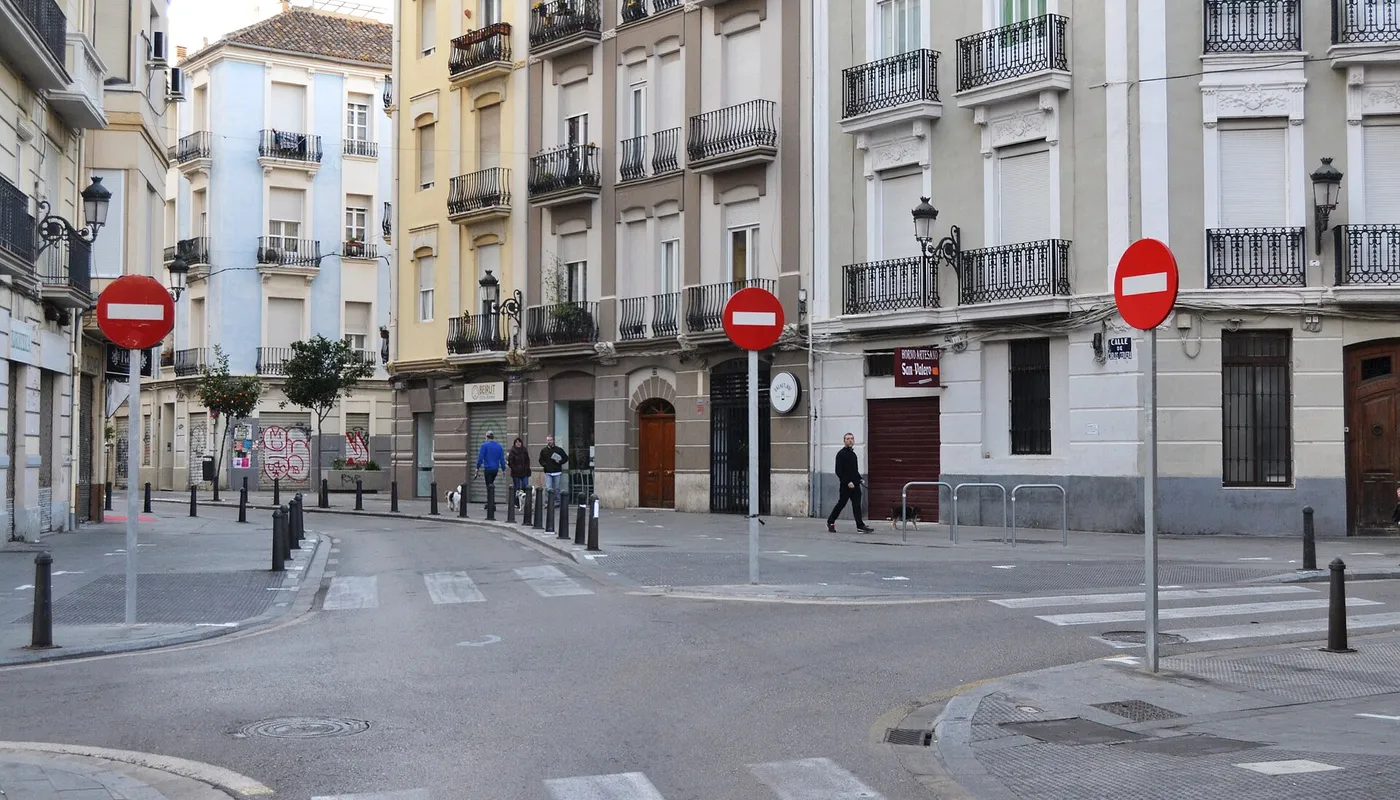
Photo: Juan Mayordomo, CC BY-SA 4.0
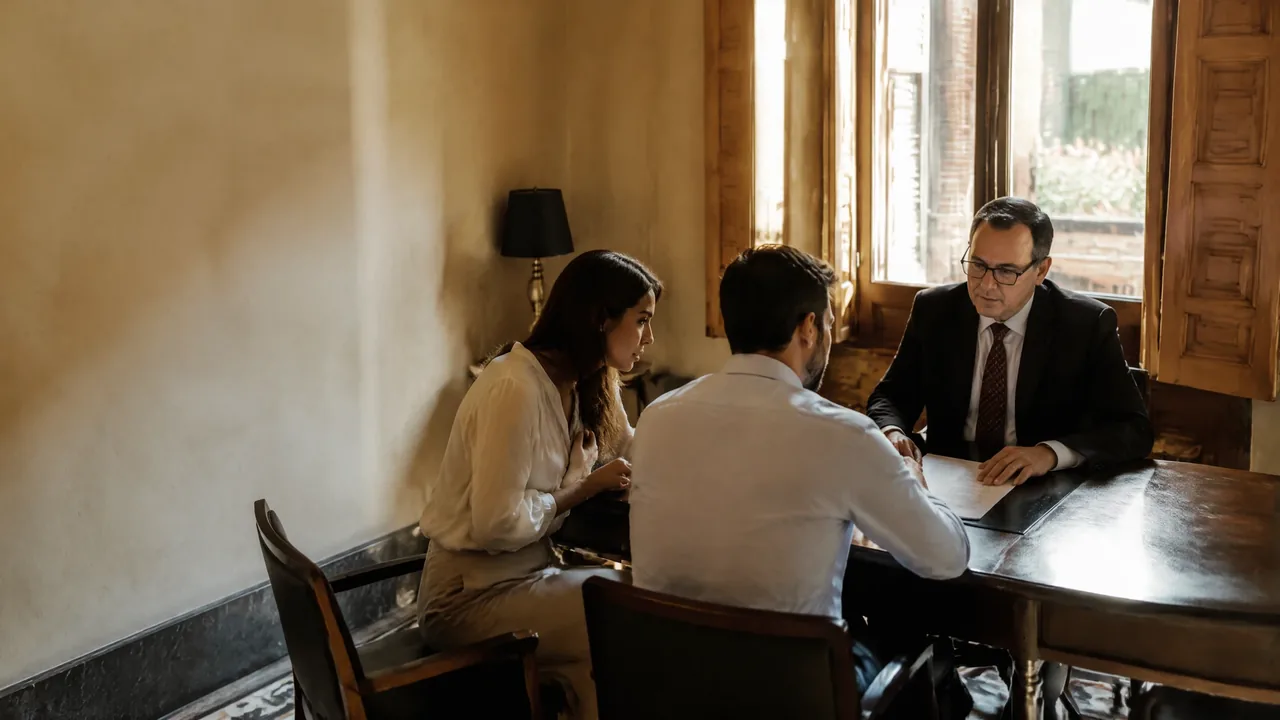
A Spanish notary is a public official, not a lawyer acting for one side. Before you sign, the notary has to be satisfied that you understand the deed in front of you. If your Spanish is not strong enough to show that, the notary can decline to proceed.
That applies to the acts that matter: a property purchase (escritura de compraventa), a mortgage deed, a power of attorney (poder notarial), a company incorporation, a Spanish will. Notaries in Valencia deal with foreign buyers every week, so this is routine rather than an obstacle, as long as it is arranged in advance. If you are buying a property in Valencia, plan for it from the reservation contract onward.
Practice varies from one notaría () to the next. Some accept a professional bilingual interpreter, some insist on a sworn interpreter, and some also want the deed itself translated. Ask the office which they require when you book the slot, and pass the answer on to us.
- Property purchases and mortgage signings
- Powers of attorney, including to your gestor or lawyer
- Company incorporation and shareholder acts
- Spanish wills, acceptance of inheritance and donations
Hospitals, clinics and specialist consultations
Valencia's public hospitals do have staff who speak English, but you cannot count on the right one being on shift for your consultation. The risk sits with specialist appointments: oncology, cardiology, obstetrics, pre-operative consent. Understanding roughly what was said is genuinely dangerous there.

An interpreter can come with you to La Fe, the Clínico, Doctor Peset or a private clinic, or join by phone if the appointment gets moved at short notice. We can also help you write out your questions beforehand. For the wider picture, see our guide to healthcare in Valencia for expats.
For consent forms and discharge reports you will often still want a written translation afterwards, especially if you have to send them to an insurer or to your doctor back home.
Extranjería, Hacienda, banks and the town hall
Administrative appointments in Spain are short, scripted and unforgiving. The officer has a queue behind you and no obligation to switch languages. An interpreter keeps the appointment moving, catches the follow-up question you did not see coming, and stops one missing signature turning into another cita previa () six weeks later. Our admin support service handles the paperwork itself.
The most common ones: NIE and TIE appointments at Extranjería, empadronamiento () at your ayuntamiento, opening a resident bank account, tax residency questions at Hacienda, and school enrolment meetings where everything runs in Spanish or Valencian.
What interpreter services in Valencia cost
Interpreting is quoted per assignment rather than from a fixed rate card, because the variables genuinely move the number: the language pair, how long the appointment runs, on site or remote, how far it is from the city, and whether a sworn interpreter is required.
Give us the date, the setting and the languages and you get a firm quote before you commit. Nothing is booked until you accept it.
Still not sure which service you need? Start with a consultation and we will tell you straight whether this is an interpreting job, a sworn translation job, or both.
Where clients actually book us
Six settings account for most of the interpreting we arrange in Valencia. If yours is not on the list, ask anyway.
Notary signings
Property purchases, mortgages, powers of attorney, wills and company deeds, where the notary has to confirm you understood the text.
Lawyers and court
Client meetings, statements, mediation and hearings. Courts often require an officially appointed interpreter, and we flag that before you book.
Medical appointments
Specialist consultations, pre-operative consent, maternity care and second opinions, in public hospitals or private clinics.
Extranjería and residency
NIE and TIE appointments, residency card renewals, and any cita previa where the officer works only in Spanish.
Hacienda, banks and town hall
Tax residency questions, bank onboarding and compliance interviews, empadronamiento and municipal registrations.
Business meetings
Supplier negotiations, factory and site visits, works council meetings and due diligence sessions across the Valencia region.
On site, on video or over the phone
Pick the format that fits the appointment, not the other way round.

On site in Valencia
The interpreter meets you at the notaría, hospital, office or government building and stays for the whole appointment. Essential as soon as you are signing something.
Video call
Zoom, Teams or Google Meet for lawyer consultations, bank calls and meetings with counterparts elsewhere in Spain or abroad.
Phone
For short, unplanned calls: a clinic moving your appointment, a landlord, a utility company, an officer ringing back about your file.
How to book an interpreter in Valencia
Four steps, and the first one is just a message.
Tell us the setting
Date, time, place, languages and what the appointment is for.
We confirm the requirement
We check whether a sworn interpreter is needed or a professional bilingual interpreter is enough.
You get a quote
A firm price for that assignment, with travel and duration already accounted for.
We brief the interpreter
Names, documents and context sent ahead, so nobody is reading the deed for the first time in the room.
Related articles from our blog
Articles worth reading next, picked for this page.


Interpreter services in Valencia: common questions
Do I legally need an interpreter at a Spanish notary?
What is the difference between a sworn translator and a sworn interpreter?
Can a friend or family member interpret for me?
Which languages do you cover?
How far in advance should I book?
Do you also translate the documents for the appointment?
Book an interpreter for your next appointment
Give us the date, the place and the languages. We confirm what that setting requires, quote it, and brief the interpreter before the day. Start with a consultation.
Contact us