
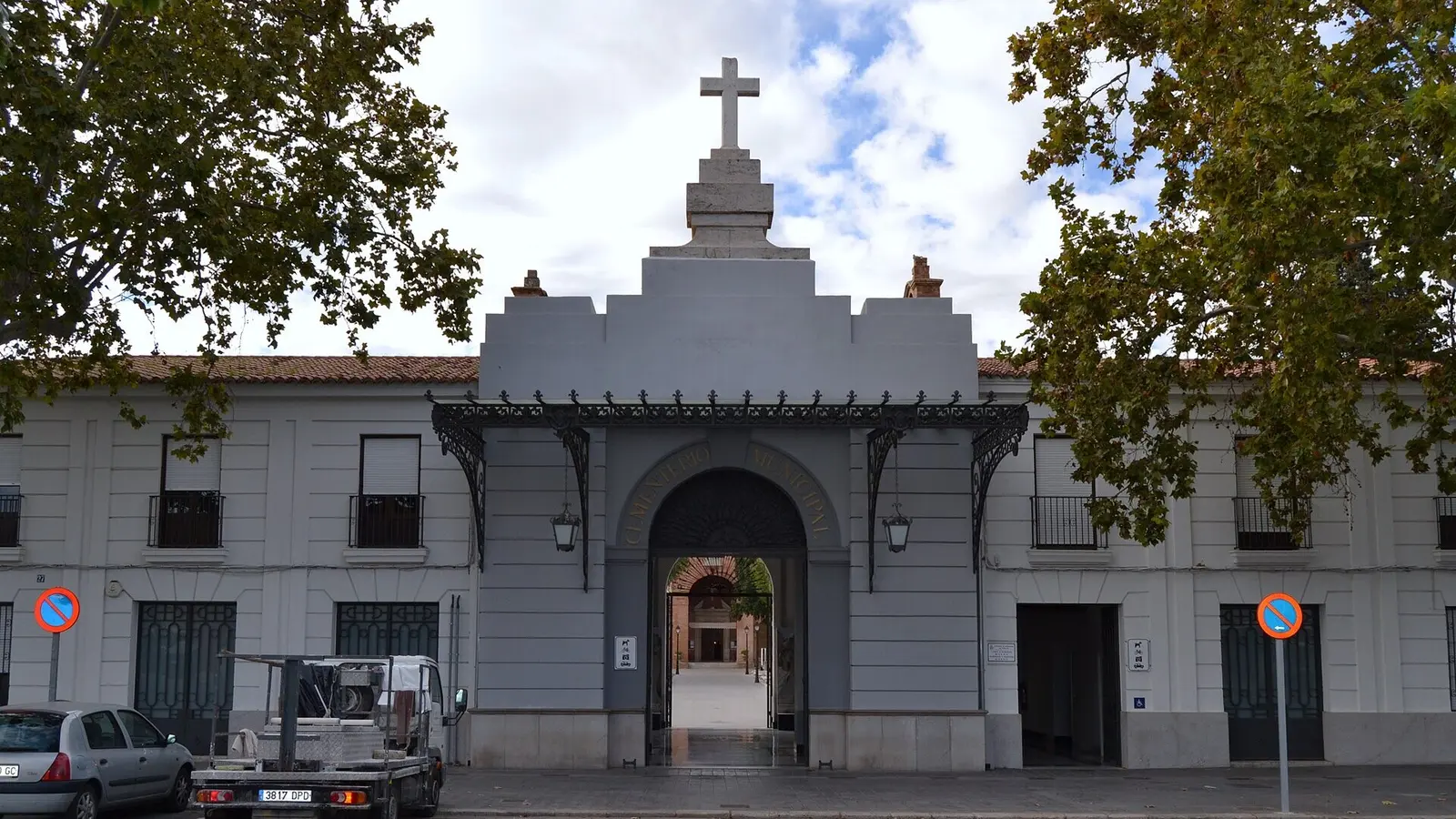
All Saints' Day, the Día de Todos los Santos () in Spanish and Tots Sants () in Valencian, falls on 1 November. It is the day Spanish families visit the graves of their relatives, leave fresh flowers and then sit down to lunch together. For a newcomer it is easy to miss, because nothing parades through the streets.
This guide covers what changes in Valencia on the day: whether you get a day off in 2026, what stays open, how the cemeteries work, and the sweets that only appear in the bakeries around this date. If you are planning the whole month, our November in Valencia guide puts it in context.
Is All Saints' Day a public holiday in Valencia in 2026?
All Saints is one of Spain's national public holidays, but in 2026 1 November falls on a Sunday. When a national holiday lands on a Sunday, each region decides whether to move the day off to the Monday. The official 2026 holiday list published in the BOE shows nine regions, among them Madrid and Andalusia, giving Monday 2 November off instead.
The Comunitat Valenciana is not one of them. In Valencia, Monday 2 November 2026 is an ordinary working day, unless your own town has picked it as one of its two local holidays. Offices and public counters follow their normal Monday routine, and so do schools, unless your town has set the day as a local non-teaching day.
The day after All Saints is All Souls' Day, devoted to all the dead rather than to the saints. In practice most families fold the two into a single visit to the cemetery over the weekend.
What is open in Valencia on 1 November 2026
Because the date falls on a Sunday in 2026, treat it as an ordinary Sunday. Bakeries, florists, cafés and restaurants open as usual, and lunch is busy because families eat out together after the cemetery. Large supermarkets and chain stores follow their normal Sunday rules, so check your local branch before you count on it.
Museums and monuments keep their Sunday timetable, so check each one's own page before you go. Metro and EMT buses run their Sunday service. Our things to do in Valencia guide has ideas for the rest of the weekend, and the Valencia transport guide covers tickets.
Visiting the Cementeri General de València on All Saints
The city's main cemetery, the Cementeri General, sits on the south-western edge of Valencia near Sant Isidre, with long avenues of pines and walls of niches. In the run-up to 1 November it is one of the busiest places in the city: families come to clean the niche, replace the flowers and spend a few quiet minutes together.
The Ajuntament publishes a notice with the arrangements each October, and the 2026 notice keeps the municipal cemeteries open from 9:00 to 18:00 every day from 17 October to 2 November. Flower stalls are allowed from 23 October to 1 November, and decorations have to be in place inside the cemetery before 11:00 on the 1st.
Getting there is the hard part, because parking fills early. EMT reinforces lines 9, 10, 18, 59 and 99 from 24 October to 1 November, and on the 1st runs a special service to the main gate from Periodista Azzati in the centre. Metrovalencia's Sant Isidre station also has a footpath to the cemetery's rear gate. If you go as a visitor, keep to the paths, keep your voice down and leave the families room.
Photo: Joanbanjo, CC BY-SA 3.0
Tots Sants in the Valencian region: the Cocentaina fair
Outside the city, the best-known Tots Sants tradition is a fair rather than a vigil. Cocentaina, a town in the province of Alicante, holds the Fira de Tots Sants over the All Saints weekend, and the regional tourism board traces it to a privilege granted by Peter IV of Aragon in the 14th century. It is listed as an Event of International Tourist Interest.
Livestock, farm machinery and local food stalls fill the town for the weekend. From Valencia it makes a full day out by car, so check the fair's own programme for the 2026 dates before you set off.
What Valencians eat around All Saints
The sweets of the season are huesos de santo (), literally saints' bones: thin tubes of marzipan rolled around a sweet egg-yolk filling, sold by the box in bakeries in the days around 1 November. Next to them on the counter you will find buñuelos de viento (), small fried puffs of light dough, often filled with cream or custard.
On the street, the season shows up as roast chestnut stands on busy corners once the evenings turn cool, often with roasted sweet potatoes alongside. Buy a paper cone on your way home from the cemetery or the market. For the rest of the region's kitchen, see our guide to traditional Valencian dishes.
Photo: Francesc Fort, CC BY-SA 4.0
Halloween and All Saints' Day in Spain are not the same thing
Halloween on 31 October reached Spain from the English-speaking world and is mostly an evening of costumes and parties, especially for children and young adults. All Saints, the next day, is older and quieter: a religious and family day for remembering the dead.
Many Spanish households now do both, and nobody minds. Just keep the two apart: a costume is welcome on the evening of the 31st, much less so at the cemetery on the 1st. Our Halloween in Valencia guide lists this year's events.
How to spend All Saints' Day in Valencia
To see the day as Valencians live it, go in the morning, when the cemeteries are busiest and the flower stalls are full. Then pick up a box of huesos de santo at your local bakery and book lunch, because restaurants fill with families.
Leave the afternoon for a walk and a cone of roast chestnuts, or for a museum on its Sunday hours. If the long weekend appeals, our guide to 12 October explains how Spain's other autumn holiday works.

About the author
Michael Bastin
Founder, ValenciaMove - Valencia since 2016
Michael has lived in Valencia since 2016 and helps people move here.
Buy Michael a coffeeNeed help with your move?
Contact us. We handle visa, admin, and housing so you can focus on the exciting part.