
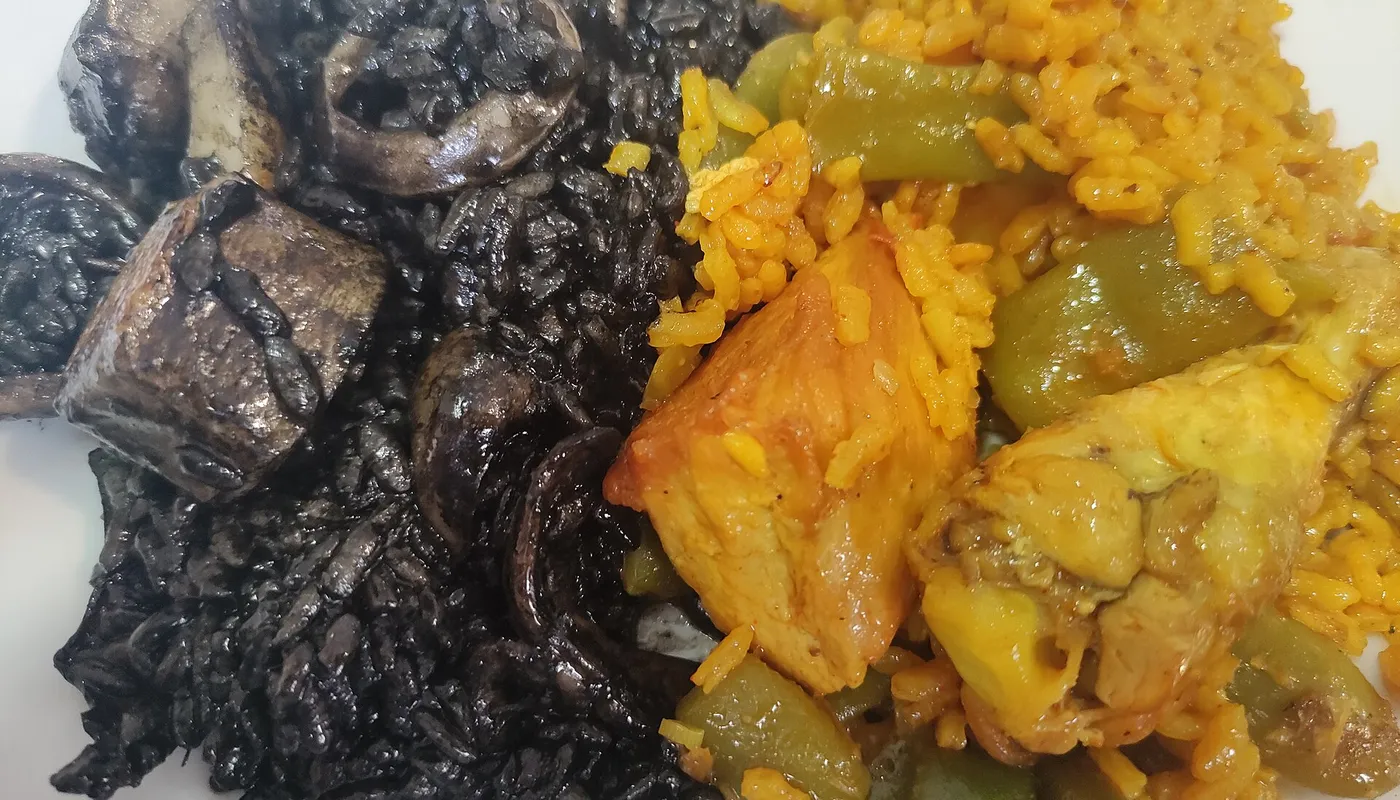
Ask a Valencian what they actually cook at home in winter and paella rarely comes up, that is Sunday and special-occasion food. The everyday and seasonal dishes below are what fill the gap, and most of them barely register with visitors who never make it past the tourist menu.
Puchero valenciano: the winter stew
Also called cocido valenciano, this hearty stew mixes beef (shank, brisket, bone marrow), pork (shoulder, belly, fatback), and chicken or hen, plus local sausages like blanquet and onion morcilla and large meatballs called pilotas, made from ground pork, beef, breadcrumbs, pine nuts, parsley, and cinnamon. The vegetable side runs deep too: chickpeas, potatoes, boniato (sweet potato), carrots, turnips, parsnips, celery, leeks, cabbage, and cardos or pencas (artichoke thistle stalks). It is traditionally served in two courses, the broth first as a soup with rice or fine noodles, then the meats and vegetables on a shared platter, and it is the centerpiece of Christmas dinner, where it is called olla de Nadal. Leftovers become the next day's arroz al horno.
Coca de llanda: the everyday sweet
Coca de llanda is a simple sponge cake named for the rectangular llanda tin it bakes in: flour, eggs, sugar, oil, milk, and a leavening agent, topped with a crunchy layer of sugar and cinnamon. This is not festival food, it is a normal breakfast or merienda (afternoon snack) item, usually with coffee, hot chocolate, or milk.
Mona de Pascua: the Easter tradition
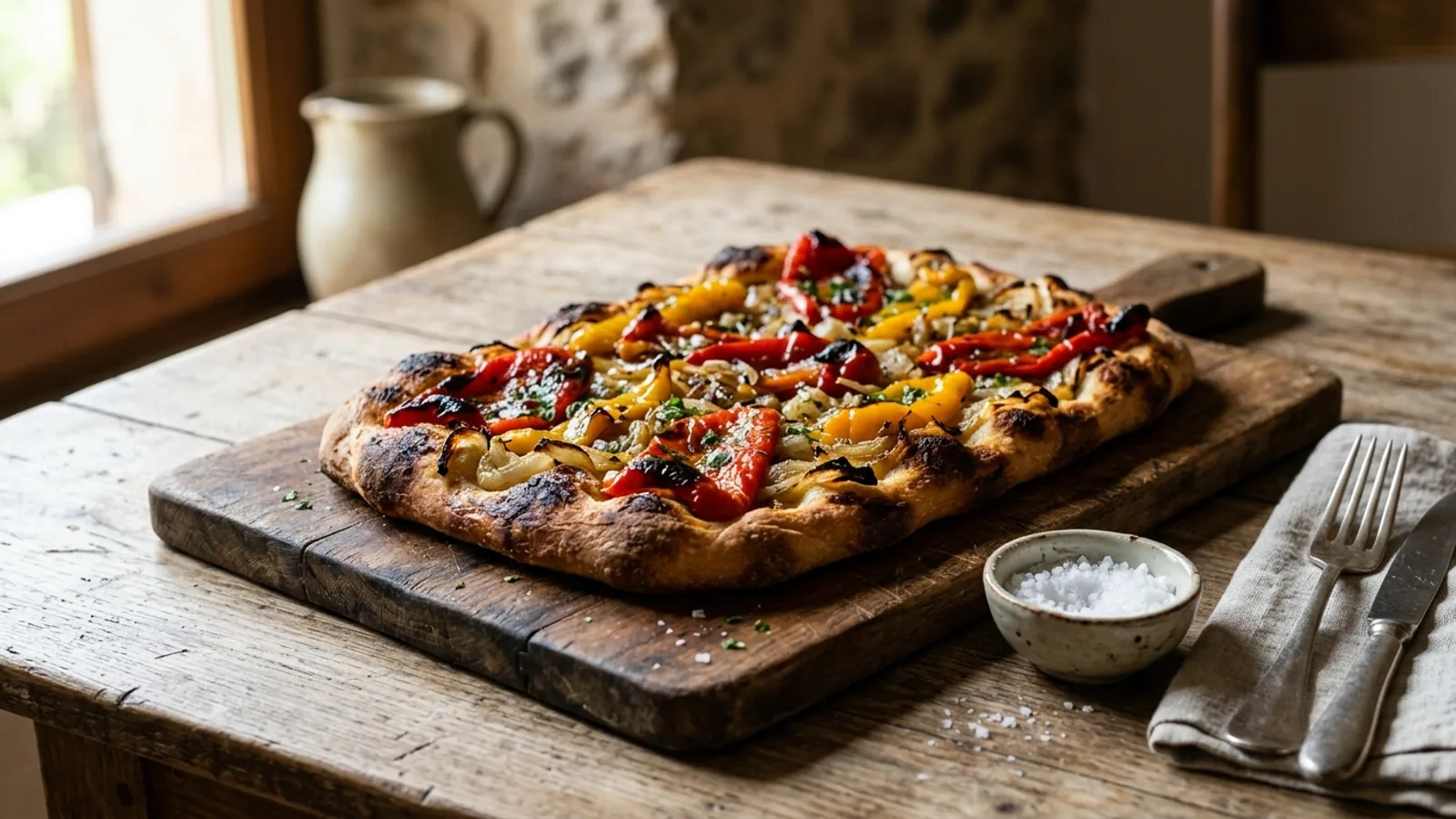
This brioche-like sweet bread, baked with one or more hard-boiled eggs (often painted) worked directly into the dough, is deeply tied to Easter across the Valencian Community, Catalonia, and Murcia. Tradition has godparents give a mona to their godchildren on Easter Sunday, eaten the following day, Lunes de Pascua, typically on a countryside picnic with family. Bakeries start selling them in the weeks leading up to Semana Santa. Modern versions sometimes swap the boiled egg for a chocolate one, and shapes range from simple rounds to animal figures like snakes, lizards, or monkeys.
More traditional Valencian dishes: three more worth knowing
All i pebre comes from El Palmar in the Albufera, a robust stew of fresh eel, potatoes, garlic (all), and paprika or chili (pebre), a genuine fisherman's dish with a rich, slightly spicy sauce made for dipping bread. Arroz al horno started as a way to use up puchero leftovers and is baked, not cooked over a flame, traditionally in a clay cazuela, typically loaded with pork ribs, bacon, morcilla, tomatoes, potatoes, chickpeas, and a whole head of garlic in the center. Fideua comes from Gandia on the coast, legend says a fisherman swapped rice for short noodles in a seafood paella, and it is cooked in the same pan with seafood like monkfish, squid, and shrimp, just with fideos instead of rice.
Where to eat traditional Valencian dishes
Puchero shows up as a menú del día special at family-run casas de comidas, mostly in winter and around Christmas. Coca de llanda and mona de Pascua are bakery food, look for a traditional horno or panadería rather than a chain, and time a mona visit to Easter season. All i pebre is most authentic in El Palmar itself, the Albufera village where it originated. For arroz al horno and fideua, seek out a dedicated arrocería, and for fideua specifically, restaurants in Gandia are the reference point.
More than paella, and more than a visit?
These dishes are a real window into daily life here, not just the tourist menu. If exploring Valencia's food culture has you thinking about staying longer, we can help with the visa and the practical side of the move.
Contact us
About the author
Michael Bastin
Founder, ValenciaMove - Valencia since 2016
Michael moved to Valencia in 2016 and has helped dozens of families relocate since. He writes every guide on this site personally and verifies every fact against Spanish government sources before publishing.
Buy Michael a coffeeNeed help with your move?
Contact us. We handle visa, admin, and housing so you can focus on the exciting part.