
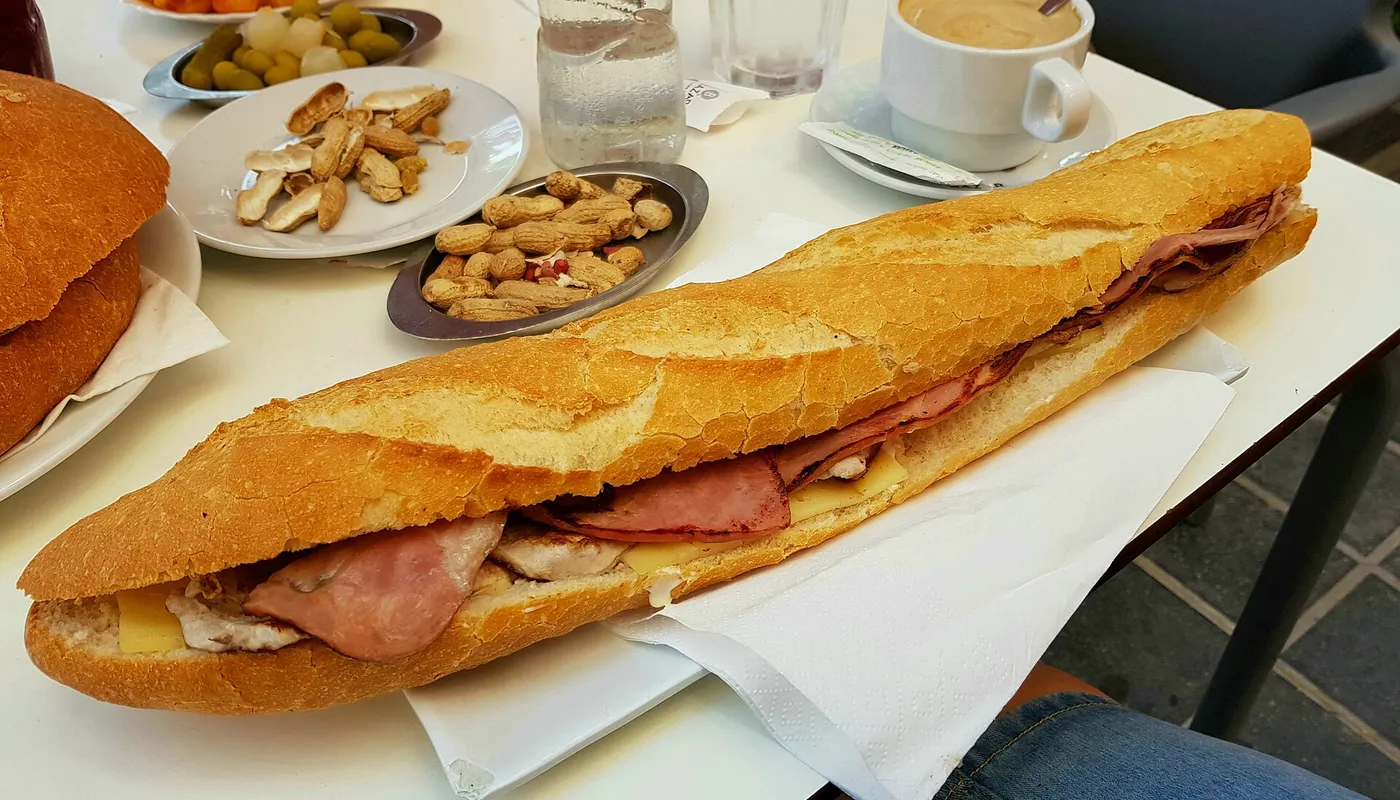
Walk into any bar in Valencia around 10am and you will find it three deep at the counter, peanut shells collecting on the floor, and not a tourist in sight. This is esmorzaret, the second breakfast the whole city quietly runs on, and skipping it is the fastest way to be starving by 11am with lunch still three hours off. Order a coffee here and the waiter will ask when you want your bocadillo, not if.
What esmorzaret actually is
Esmorzaret (almuerzo in Castilian Spanish) translates loosely to 'little breakfast', but the diminutive is misleading. This is a substantial, savory, mid-morning feast eaten between about 9:30am and 11:30am, built to bridge the long gap to a Spanish lunch that rarely starts before 2pm. Construction workers, office staff and retirees all observe it, and it works as much as a social pause as a meal: a moment to sit down with colleagues or friends, argue about football or local politics, and eat unpretentious, hearty food shoulder to shoulder at the bar.
The ritual: picaeta first, always
Sit down at a local bar for esmorzaret and you will not need to ask for starters. The waiter brings the picaeta automatically: roasted peanuts still in their shells, olives split and marinated in local herbs or garlic, and sometimes a simple ensalada valenciana of tomato, raw onion and olive oil. Drinks range from beer and wine to a plain soft drink or gaseosa. Only once the table is set does the main event arrive: the bocadillo.
The bocadillo: Valencia's legendary sandwich
These are not delicate sandwiches. Valencian bocadillos come on crusty, freshly baked bread stuffed with serious fillings. Entrepa de llonganissa pairs local sausage with caramelized onion or tender broad beans. Bocadillo de calamares is crispy fried squid rings under a heavy smear of alioli.
Pa amb tomaquet, bread rubbed with fresh tomato and olive oil, gets topped with Serrano ham, cheese or tortilla. Blanc i negre mixes white sausage with morcilla blood sausage. Chivito piles on pork loin, bacon, cheese, lettuce, tomato and mayonnaise. And esgarraet, roasted red peppers with cured cod, is a classic in its own right.
The grand finale: cremaet
No esmorzaret ends without its closing drink: cremaet. A shot of espresso is layered over rum, brandy or cognac that has been heated and flamed with sugar, a few coffee beans, a strip of lemon peel and a cinnamon stick. The result is sweet, strong and aromatic, and it is the traditional kick that gets you back to work. Read our full coffee guide for how to order a cremaet properly, and every other coffee style you will meet in Valencia.
Where to eat esmorzaret in Valencia
Almost every neighborhood bar serves a decent esmorzaret, but a handful have earned genuine local reputations.
- La Pascuala (El Cabanyal) - famous for arm-length bocadillos, including a horse meat option. Book ahead, it fills up.
- Bar Marvi (city center) - excellent traditional fillings in a bustling, authentic room.
- Bodega La Pascuala (Ruzafa) - the same ritual, set in one of Valencia's trendiest neighborhoods.
- Kiosko La Barchilla (old town) - no-frills, and all the better for it: the focus is entirely the bread and fillings.
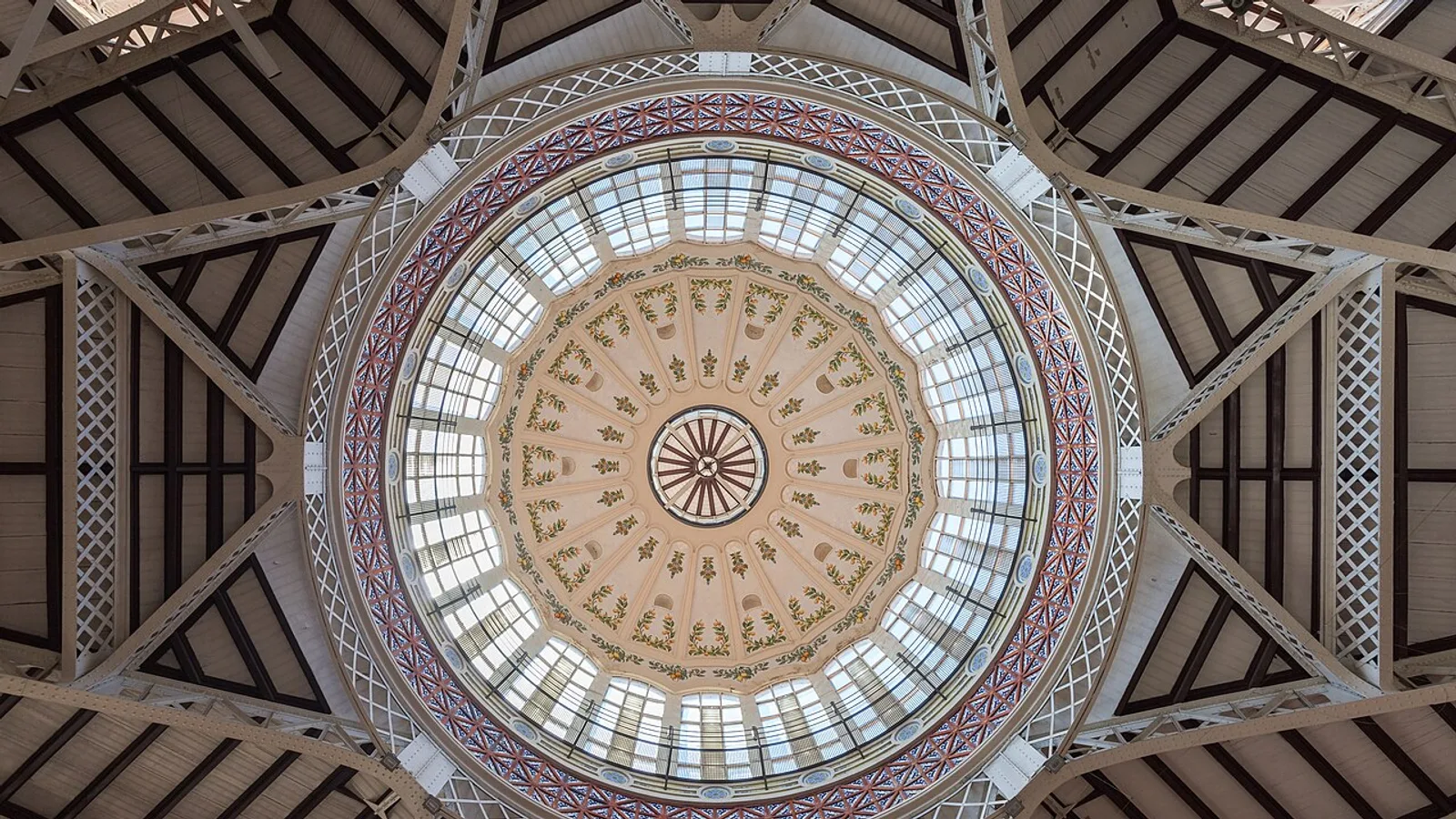
- Central Bar (inside Mercado Central) - run by Michelin-starred chef Ricard Camarena, a slightly elevated but still deeply traditional take on esmorzaret.
Embracing the Valencian schedule
Adjusting to Spanish meal times is one of the harder parts of settling in. Lunch at 2:30pm and dinner at 9:30pm will leave you starving if you stick to a home-country breakfast. Esmorzaret is the bridge: adopt it and you stop being hungry at 11am while immersing yourself in one of Valencia's most cherished daily habits.
Find a local bar, order a bocadillo, crack open some peanuts, and enjoy the ritual. Our full food guide covers the rest of what locals actually eat, from real paella to vermut hour.
Falling for Valencia's food culture?
Esmorzaret is a small taste of how deeply Valencia runs on its own rhythm. If you are thinking about making that rhythm permanent, we can help with the visa, the paperwork and finding a barrio that fits.
Contact us
About the author
Michael Bastin
Founder, ValenciaMove - Valencia since 2016
Michael moved to Valencia in 2016 and has helped dozens of families relocate since. He writes every guide on this site personally and verifies every fact against Spanish government sources before publishing.
Buy Michael a coffeeNeed help with your move?
Contact us. We handle visa, admin, and housing so you can focus on the exciting part.