
Spanish private chef in Valencia
Valencia is the birthplace of paella, but most visitors and even a lot of long-term residents never get to see one cooked properly over the right heat by someone who grew up doing it. A private Spanish chef brings real Valencian and wider Spanish home cooking to your table, taught hands-on or fully catered.
What Spanish home cooking actually tastes like
Three dishes every Spanish private chef we work with can teach or cook, done properly.
Paella valenciana
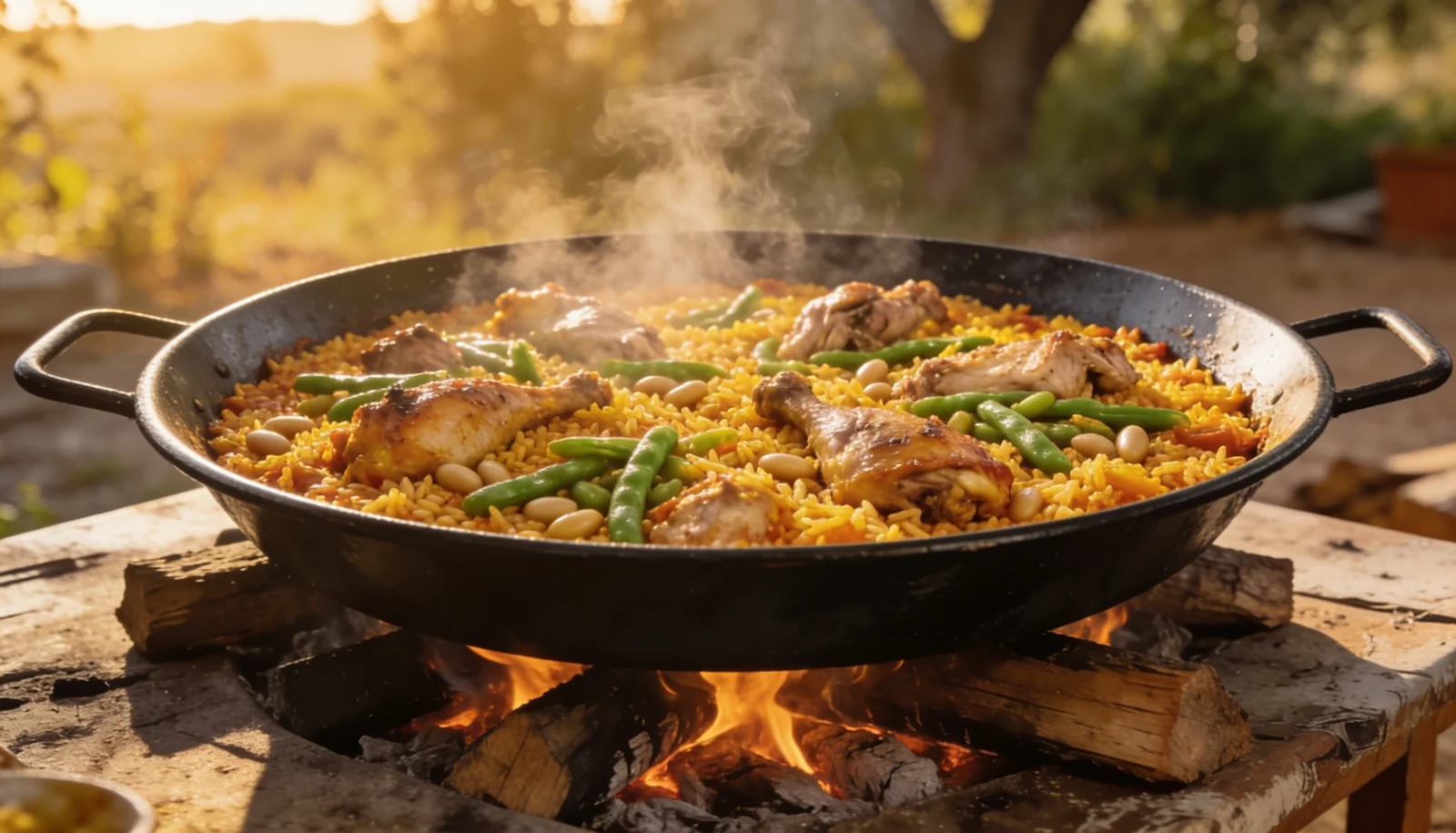
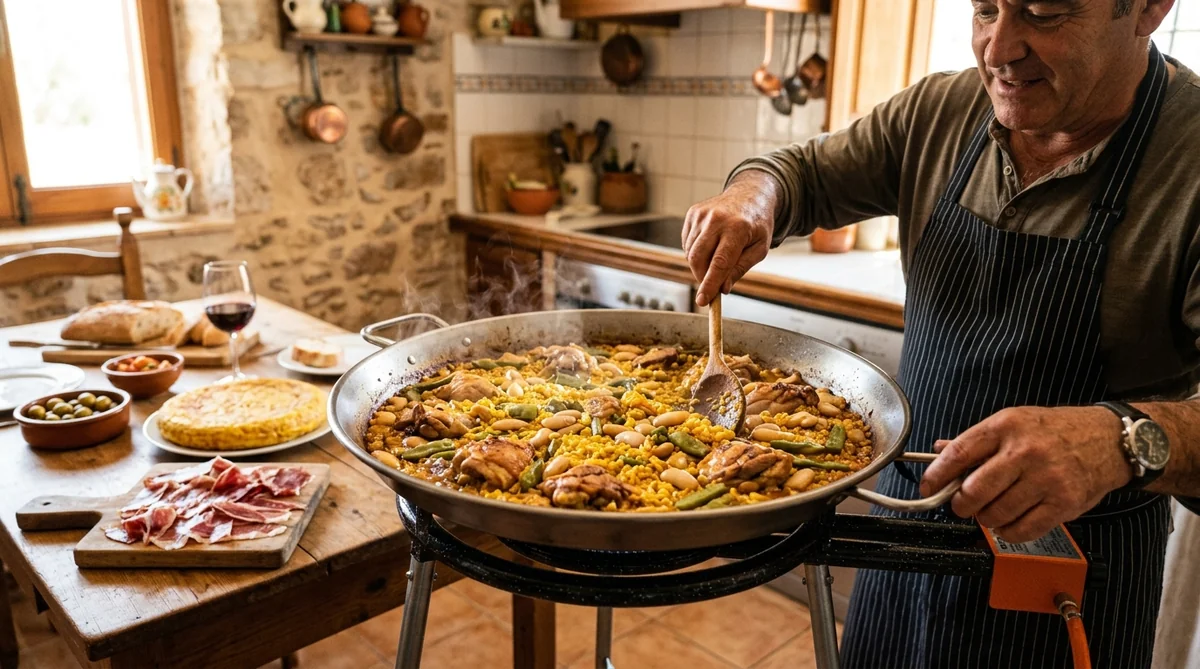
The original, made with rabbit, chicken, garrofo and ferradura beans over an open flame, socarrat crust and all, not the seafood version tourists usually get sold.
Jamón-based tapas
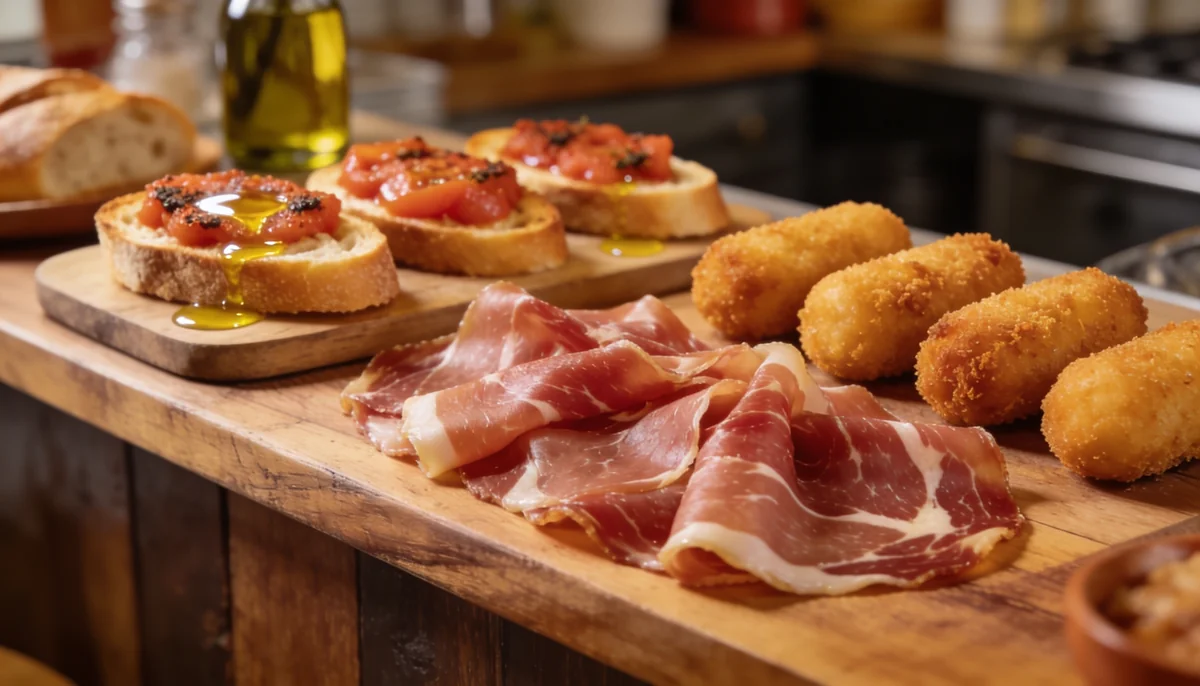
Hand-carved jamón ibérico, croquetas and pan con tomate, the small-plate backbone of any real Spanish home gathering.
Tortilla española
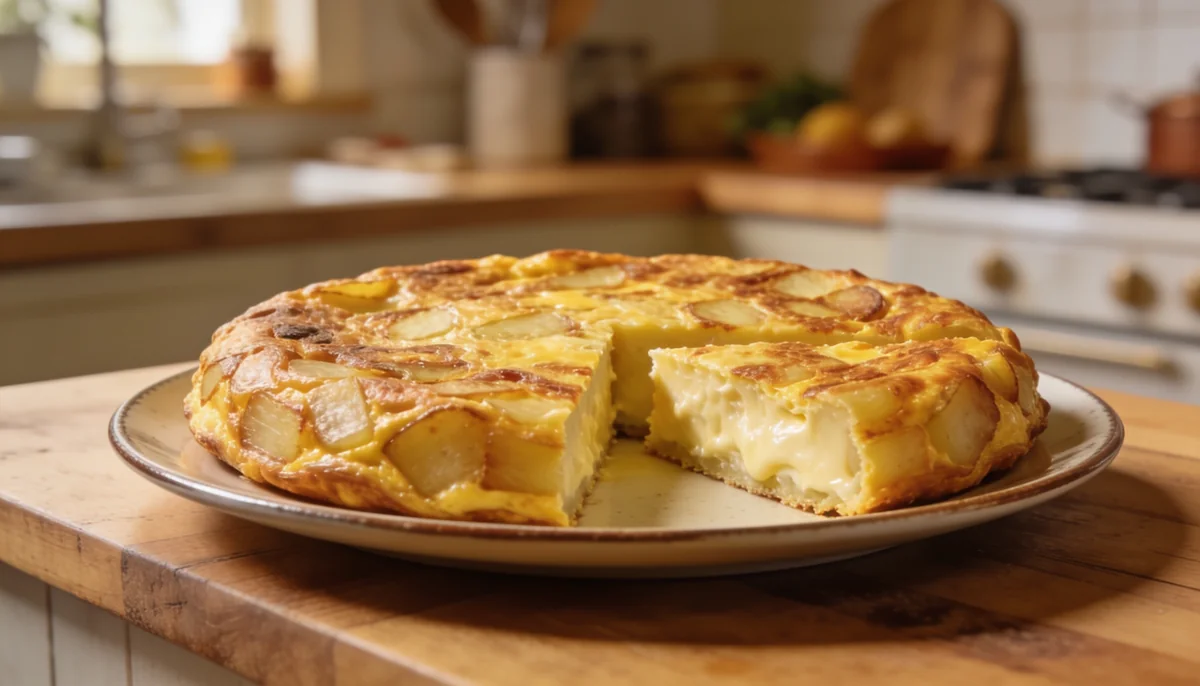
Potato and egg, cooked low and slow until it holds its shape and stays soft in the middle, the dish every Spanish household argues about the right way to make.
Spanish cooking class or home catering
Every Spanish chef we work with offers both. Pick whichever fits your evening.
Cooking classes
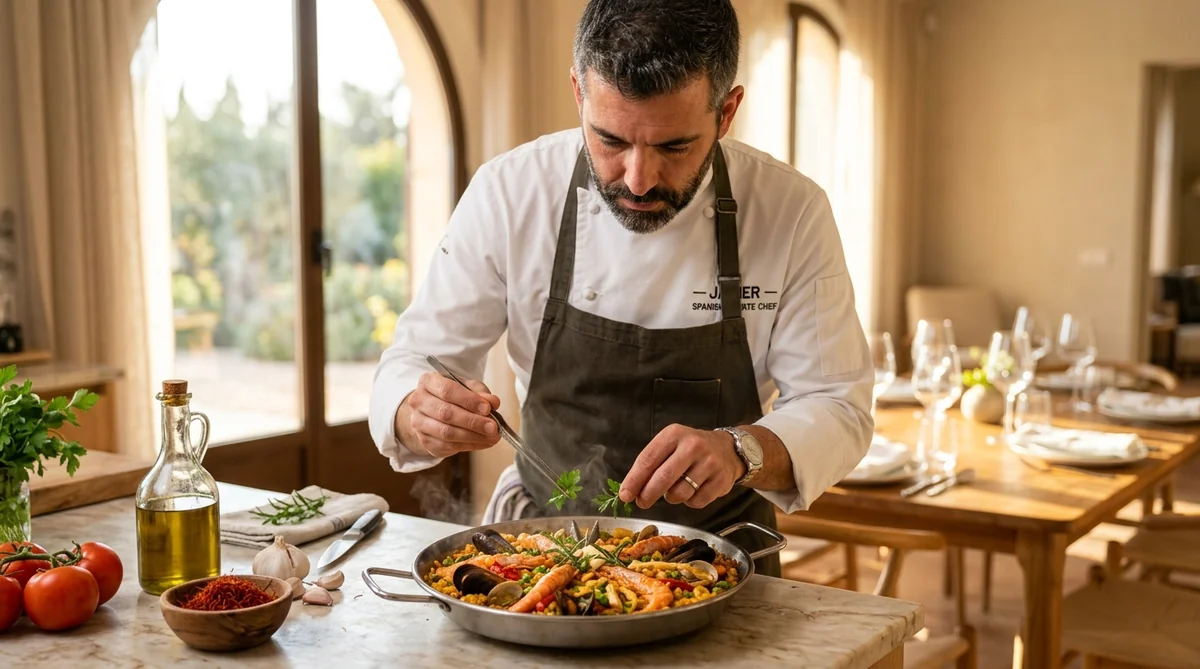
Hands-on, at your rental or the chef's kitchen. You build your own paella from the sofrito up, or work through tapas and tortilla, and eat everything you make.
- 2 to 3 hours, hands-on, at your rental or the chef's kitchen
- Small groups, usually 2 to 8 people
- You cook and eat what you make, chef guides every step
Home catering
The chef arrives with the paella pan and ingredients, cooks in your kitchen or on your terrace, and serves a full Spanish spread while you and your guests relax.
- Chef cooks in your kitchen, you and your guests just eat
- Works for 4 to 20+ people depending on the menu
- Chef handles shopping, prep, cooking and clean-up
Paella, tapas and what your headcount changes
A real paella needs even heat across a wide flat pan, and a domestic hob heats one ring in the middle. For four, a small pan on the hob is fine. Past that the chef brings a gas paella burner, which needs a terrace, patio or garden, and indoors the menu shifts to arroz al horno or fideua in a smaller pan instead.
Rice also sets the clock: arroz waits for nobody, so guests are called to the table when the pan comes off the heat and rests, not the other way round. For twelve that works with tapas served standing beforehand, so nobody is hungry while the rice finishes.
At thirty, one pan and one seating stop being realistic. The format becomes a tapas station, jamón carved to order, croquetas and pan con tomate replenished, with either two pans cooked in sequence or arroz al horno baked in trays.
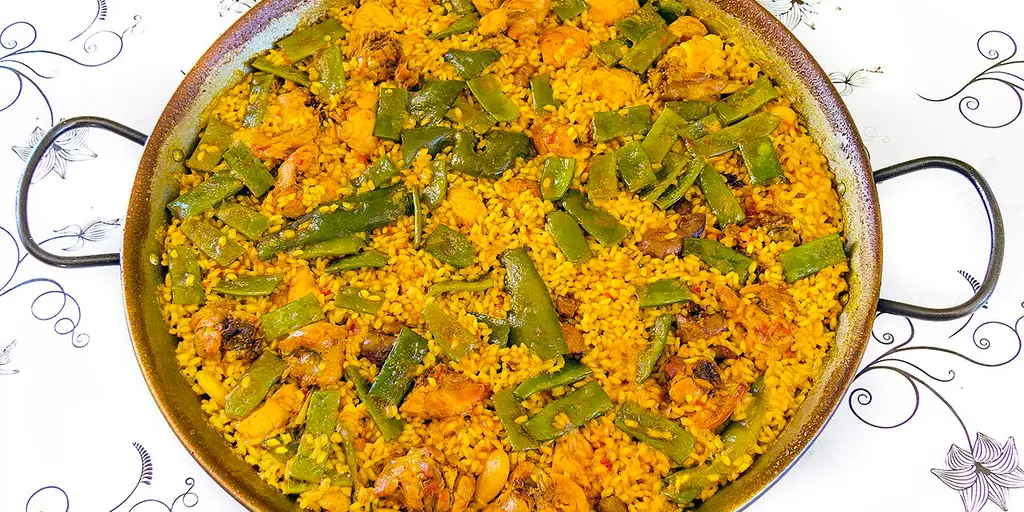
Photo: Jan Harenburg, CC BY-SA 4.0
Booking a Spanish chef, from enquiry to a clean kitchen
It starts with your date, headcount, address and any dietary restrictions, plus one detail that decides half the menu: whether you have outdoor space for a paella burner. The chef sends a menu proposal and you get one round of changes on it.
Allergies and halal, vegetarian or vegan needs are agreed at menu stage rather than on the night. Pork runs through a Spanish spread, so a pork-free evening means the jamón board comes off and the croquetas are rebuilt, while paella valenciana with rabbit and chicken stays exactly as it is.
The chef shops that morning, usually Mercado Central or Mercado de Ruzafa for the meat, beans and whatever fish looks right. They arrive within an agreed window beforehand because the sofrito and stock take the longest part of the cooking, then serve, clear and leave the kitchen clean.
How a Spanish private chef is priced in Valencia
There is no fixed price list for a Spanish private chef. Each event is quoted on its own, because the headcount, the dishes and the ingredients are what move the figure, and a hands-on class for a small group is priced differently from a full meal for twenty.
The chef sends an exact quote once you share your headcount, menu and date, and you see it before you confirm anything.
Want a Spanish chef for your next dinner?
Tell us your date, headcount and whether you want a class or catering, and we will match you with a Spanish private chef and come back with a price range.
Tell us your event
Resident in Valencia since 2016. Founder of BeTranslated. 25+ years in translation, interpretation and multilingual SEO.
Reviewed 9 October 2026 by Michael Bastin