
Every summer Valencia throws itself a month-long street party called the Gran Fira. From late June into the end of July the city fills with free concerts, fireworks over the old riverbed, a flower battle down a grand avenue and a full funfair. If Las Fallas is the loud, fiery heart of spring, the Gran Fira is the warm, easygoing soul of summer, and it is one of the best free things to do in the city. Here is how it works in 2026 and how to make the most of it. For the wider picture, our guide to things to do in Valencia keeps the full calendar.
What is the Gran Fira de Valencia?
The Gran Fira (Gran Feria in Spanish) is the city's official summer festival, organised by the Ajuntament de Valencia. It goes back to the nineteenth century and today it is a loose umbrella over hundreds of events spread across about five weeks. Nothing about it is as intense or as crowded as Fallas. You dip in and out as you like: a free concert one evening, fireworks by the river the next, an afternoon at the funfair with the kids. Almost everything happens outdoors, in the parks, gardens and the old Turia riverbed, which is exactly where you want to be on a warm Valencian night.
When is it? Rough dates for 2026
The Gran Fira runs from late June to the end of July, so the whole of July is fair game. The programme is confirmed by the city in June and the biggest set pieces cluster in the second half of the month. As a rule of thumb: open-air concerts run through July, the fireworks nights fall on set dates across the month, and the Batalla de Flors traditionally closes the festival on the last Monday or so of July. Always check the official Ajuntament de Valencia programme once it is published, because exact dates shift a little every year.
Dates move year to year. Confirm the current programme on the city's official festival page before you plan around a specific night.
Gran Fira de Valencia Highlights: The Four Things You Should Not Miss
Free open-air concerts at Viveros
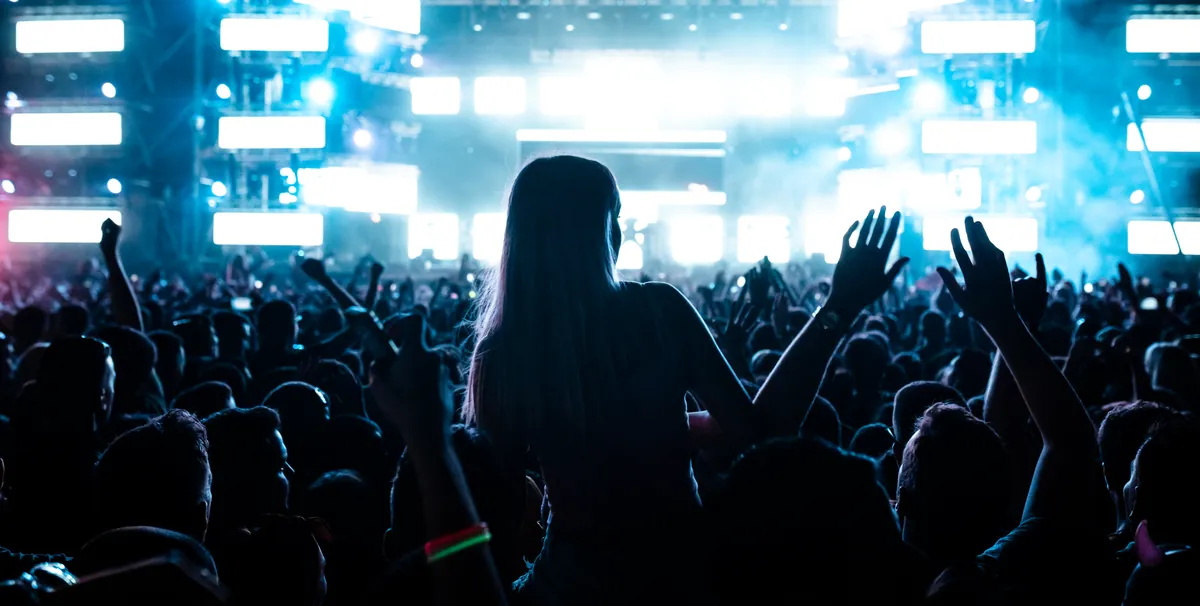
The Jardines del Real, known to everyone as Viveros, host the Gran Fira's flagship concert series under the trees. Many nights are free and first come first served, while bigger headline shows sell tickets. It is a lovely, low-key way to catch Spanish and international acts on a summer evening.
Fireworks nights (nits de focs)
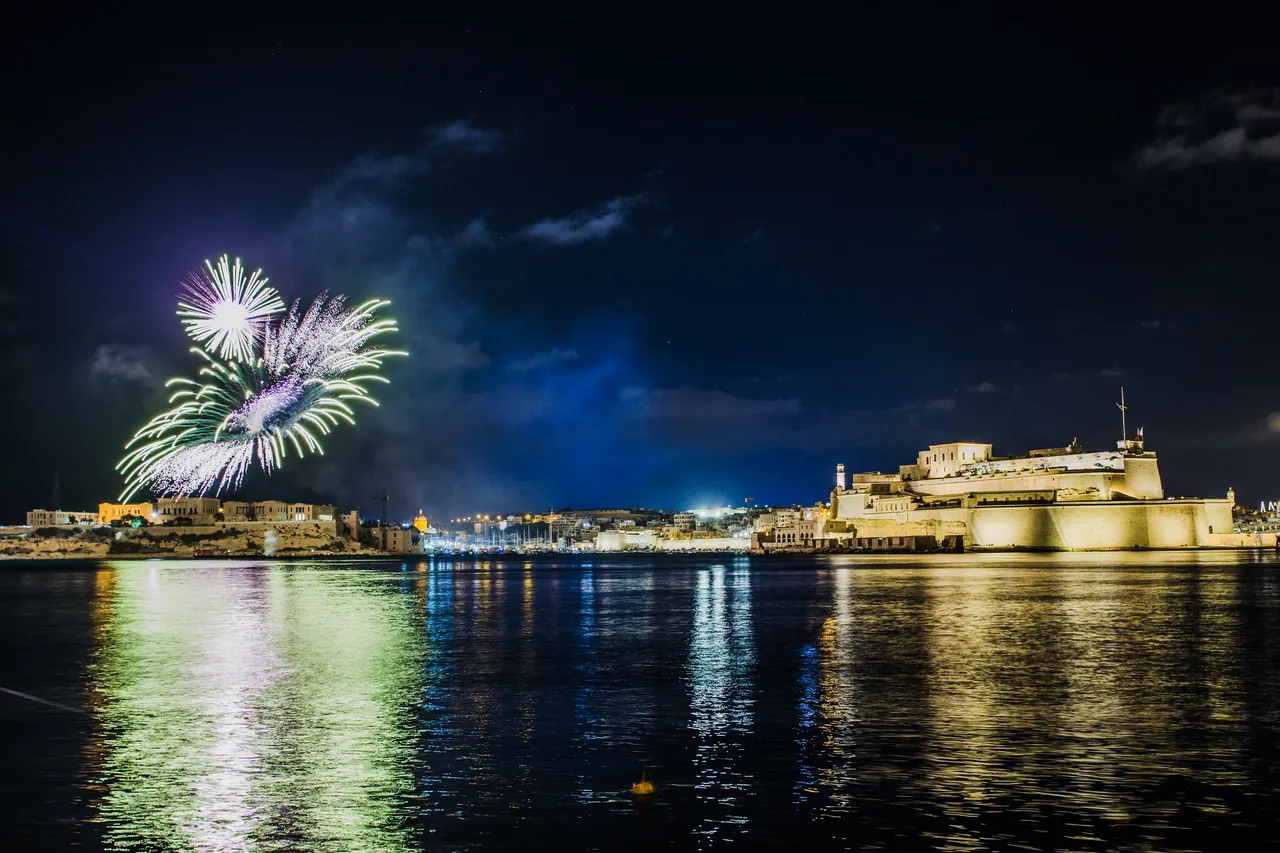
Several nights bring fireworks launched over the old Turia riverbed and the Alameda. Locals spread out along the riverbed gardens and the bridges with a blanket and a drink. Arrive early for a good patch of grass and expect the crowds to build in the last half hour before the first rocket.
The Batalla de Flors
The flower battle is the festival's grand finale, traditionally on the Paseo de la Alameda at the end of July. Riders on flower-covered carriages hurl thousands of carnations into the crowd, and the crowd, armed with tennis rackets, bats them straight back. It is chaotic, colourful and completely free to watch.
The funfair (feria de atracciones)
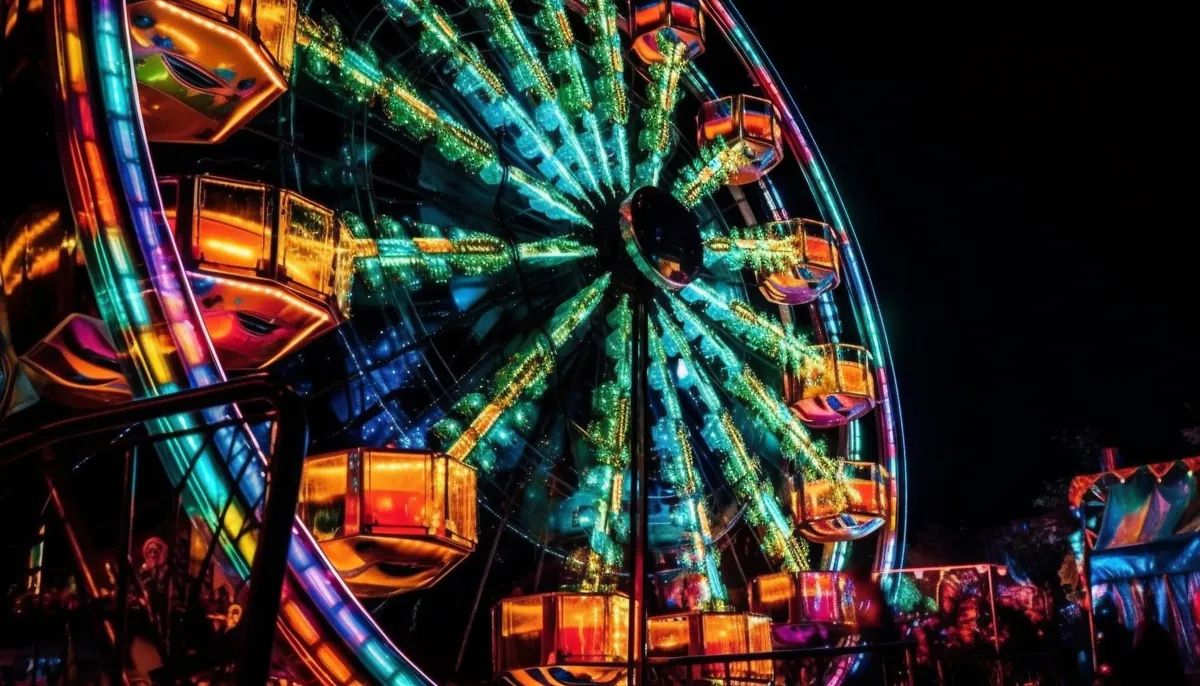
A full fairground sets up with rides, a big wheel, food stalls and games, usually around the city centre and along the old riverbed. It runs most evenings through the festival and is the easy win for families with children.
Free or ticketed? What it costs
One of the best things about the Gran Fira is how much of it costs nothing. Here is the quick breakdown:
- Free: most Viveros concerts on regular nights, all of the fireworks displays, the Batalla de Flors, and simply wandering the riverbed on a festival evening.
- Ticketed: the big headline concerts with named artists, and of course every ride, game and snack at the funfair.
- Budget tip: you can have a full, memorable Gran Fira night, a concert, fireworks and a stroll, without spending more than the price of a drink.
- There is no wristband or festival pass. You just turn up to whatever is on that evening.
Is it good for families?
Yes, and it is one of the most family-friendly things the city does all summer. The funfair is the obvious draw for children, the fireworks are a guaranteed hit, and the concerts at Viveros are relaxed enough that nobody minds a pushchair or a restless toddler. Evenings start late in a Valencian summer, so plan for a siesta and a late dinner if you want the little ones to last until the fireworks. If you are settling in with kids, our neighbourhood guides cover which barrios put you within walking distance of the parks.
Getting to the Gran Fira de Valencia
- Viveros: the Jardines del Real sit just north of the old town, a short walk from the Alameda and the Pont del Real. Metro Alameda (lines 3, 5, 7 and 9) drops you a few minutes away.
- The riverbed: the Jardin del Turia runs right through the city, so almost any central metro or bus stop puts you close to a stretch of it. Walk in from the Alameda or Pont de les Flors side for the fireworks.
- Leave the car at home. Central Valencia is packed on festival nights and parking is a headache. Metro, tram, Valenbisi bikes or your own two feet are all faster.
- Late-night transport runs later than usual during the Fira, but check the last metro times if you are heading back out to the suburbs.
Insider tips for a good night
- Go late. Nothing gets going before about 22:00 in July, and the best atmosphere is well after dark when the heat drops.
- Bring water and a light layer. Days are hot but the sea breeze picks up by the river late at night.
- For fireworks, stake out a spot on the riverbed grass 30 to 45 minutes early on the busiest nights.
- Check the official programme the week before. The city publishes exact dates, times and the concert line-up in late June.
- Pair a Fira evening with dinner in a nearby barrio. A slow meal in Ruzafa or El Carmen before the fireworks is the local move.
The Gran Fira is Valencia at its most generous: warm nights, free music and a city that clearly loves throwing a party. If you want to keep exploring beyond the festival, our hidden gems guide and the best paella restaurants round-up will fill the daytime, and the expat community pages are the fastest way to find people to go with.
Planning a move to Valencia?
Summers like this are why people stay. If you are thinking about making Valencia home, we can help with the visa, the paperwork and finding the right barrio.
Contact us
About the author
Michael Bastin
Founder, ValenciaMove - Valencia since 2016
Michael moved to Valencia in 2016 and has helped dozens of families relocate since. He writes every guide on this site personally and verifies every fact against Spanish government sources before publishing.
Buy Michael a coffeeNeed help with your move?
Contact us. We handle visa, admin, and housing so you can focus on the exciting part.