
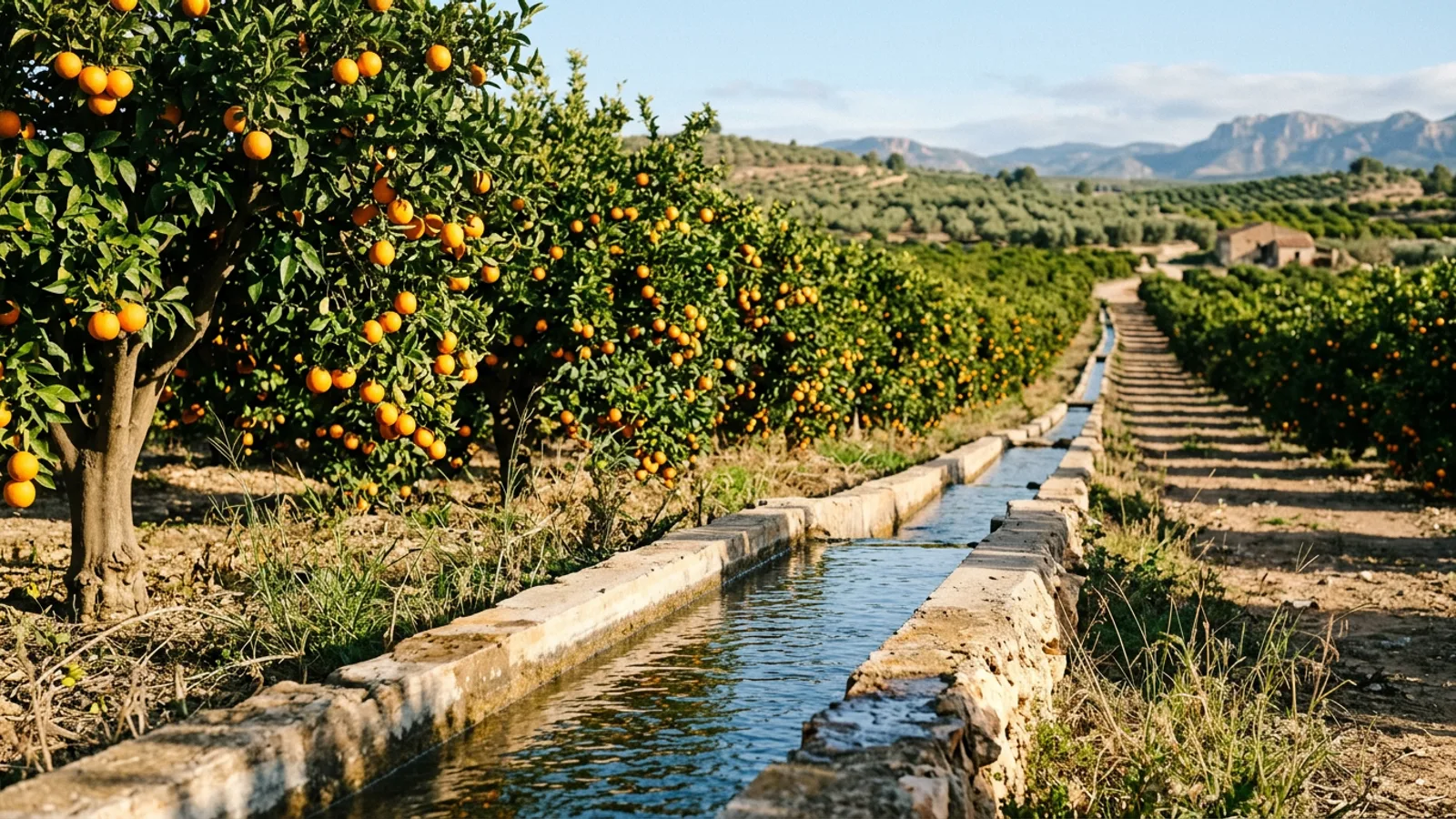
Here is the twist almost nobody expects: the "Valencia orange," the specific sweet variety sold under that name in supermarkets worldwide, was not bred in Valencia. It was first hybridized in the mid-19th century by American agronomist William Wolfskill on his farm in Santa Ana, California, who named it as a tribute to the city he considered the finest orange-growing region on earth. The irony is that Valencia, Spain earned that reputation the hard way, through two centuries of a citrus trade that quite literally built the city you see today.
How oranges actually arrived in Valencia
Citrus arrived here long before the trade did. The Moors introduced orange trees to the region in the 10th century, planting them mainly as ornamental and medicinal trees around palaces and mosques, the same tradition that gave Cordoba its famous Patio de los Naranjos. Valencia's own mosque had a Court of the Oranges too.
But commercial cultivation, oranges grown to sell rather than to look at, is much younger: a Catholic priest named Father Vicente Monzo Vidal planted the first commercial grove in Carcaixent in 1781, and his success drew local investors fast. By the early 1800s Valencian oranges were reaching France, and in 1851 the first fifty boxes shipped to Britain, consigned to a merchant named Daniel Rogers in Liverpool.
Steamships, railways, and a growing understanding of vitamin C did the rest. By the end of the 19th century, Valencian oranges were the winter fruit of choice from France to Scandinavia, and the money that trade generated financed the Ensanche district, the Plaza del Ayuntamiento, the expanded port, and the public markets. Look closely at the facades of many 19th-century buildings in the center and you will still see the orange motif carved into the stone.
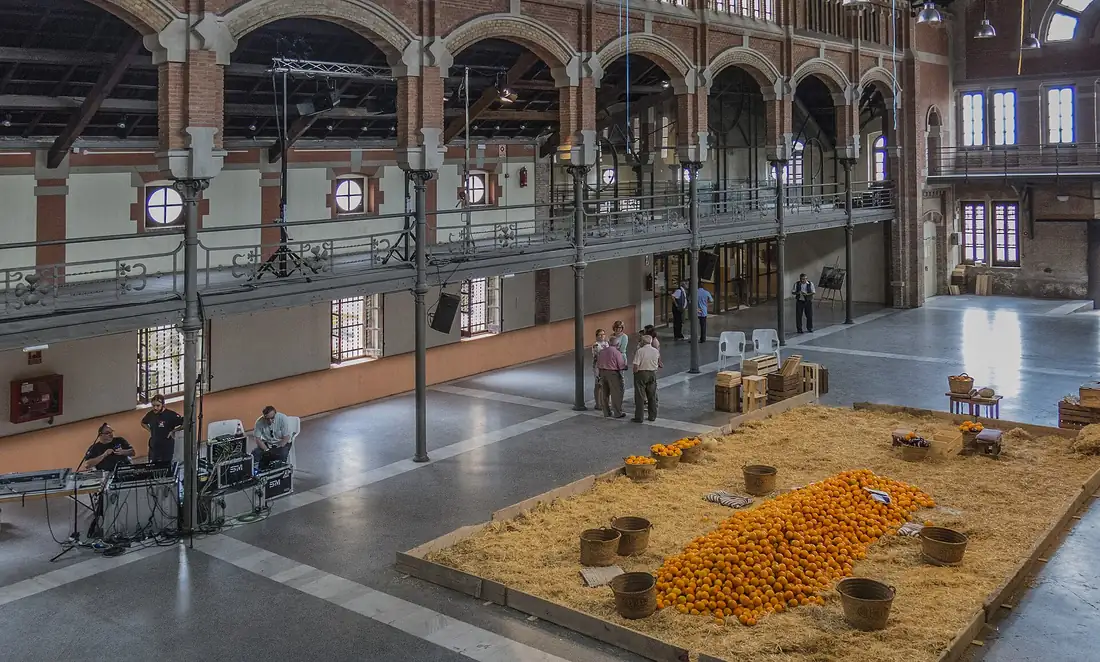
Valencia orange varieties: what is actually growing here today
The region grows a sequence of varieties timed to keep fresh oranges on shelves from October through late spring. Navelina kicks off the season from October to January, sweet and seedless. Navelate, a spontaneous mutation first spotted here around 1948, runs January to March and is particularly juicy.
Lane Late and Powell Summer Navel (both originally Australian) cover January through May, getting sweeter the longer they stay on the tree. Valencia Midknight (South African origin) and Valencia Late Frost (bred in California in 1915, in a nice historical loop back to Wolfskill's original claim) close out the season from March into July. Together they cover more than 120,000 hectares of groves across the Valencian Community.
Azahar: when the whole city smells like orange blossom
Azahar, from the Arabic for white flower, is the scent of citrus blossom that blankets Valencia every spring, typically from late February through April with peak bloom in March and early April (exact timing shifts a little with the year's weather). The streets themselves are lined with bitter orange trees planted purely as ornamentals, not the sweet varieties grown for eating, which is why the smell is everywhere in the city even outside the harvest zones. The stretch of coast running north from Valencia toward Castellon is even named Costa Azahar after it.
For the most concentrated experience, walk the Turia Gardens, where orange trees line much of the old riverbed, the streets around the Cathedral in Ciutat Vella, or head out to Carcaixent itself, where Father Monzo Vidal planted that first grove in 1781 and citrus still dominates the landscape. The blossom is only the start of the citrus year: our guide to the huerta and its produce covers when the fruit itself is actually in season and where to buy it.
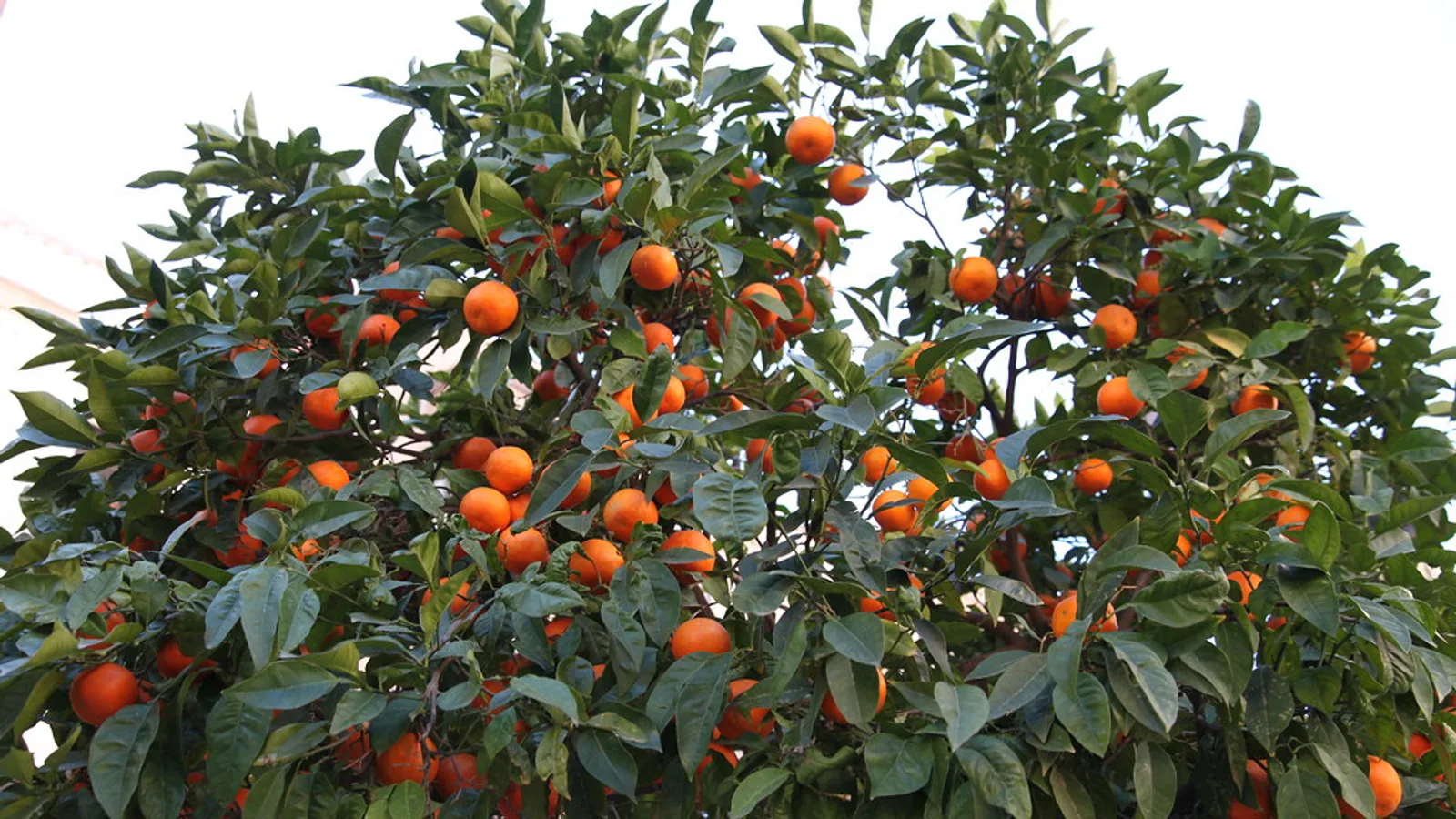
Photo: realmcflier, CC BY 2.0
The IGP seal, and what it actually means
Valencian citrus carries an Indicación Geográfica Protegida (IGP) under the name "IGP Cítricos Valencianos," sold to consumers as "Naranja Valenciana." It is worth being precise here: an IGP is an EU-recognized geographical indication, but it is not the same as a Denominación de Origen (DO), which is a stricter designation. The season officially kicks off in late November or early December, the month with the highest citrus sales volume in European markets.
Major chains including Consum, Eroski, Caprabo, Alcampo, Carrefour, Masymas, El Corte Ingles, Plusfresc, and Spar stock IGP-certified oranges in season, with Consum in particular known for backing the seal. The French market has shown growing interest in the IGP seal too. The industry today faces real pressure from southern hemisphere exporters in Uruguay, Argentina, and South Africa, which has pushed down prices for navel varieties, plus a structural water problem: a single adult orange tree needs 50 to 80 liters of water a day.
Where to buy real Valencia oranges
The Mercado Central, Europe's largest fresh-produce market by floor area at around 8,000 square meters, has multiple stalls selling fresh Valencian oranges and juice squeezed on the spot, open Monday to Saturday and a five-minute walk from the Cathedral. Roadside stands run by local growers appear on the roads heading south and southwest into the Ribera Alta and Ribera Baixa comarcas, the traditional citrus belt, mostly active from November through May. Consum, Mercadona, Alcampo, and Carrefour all carry IGP-certified fruit in season. And if you want the full experience, crowdfarming services like Naranjas del Carmen let you adopt an actual tree and receive boxes of fruit picked straight from it.
Visiting a working orange grove
A handful of operators run guided visits to real citrus orchards near the city. Huerto San Eusebio offers tastings of different seasonal varieties among century-old trees. Huerto Ribera, in Carcaixent itself, walks visitors through the historic gardens where commercial cultivation began in 1781.
GetYourGuide and Civitatis both list half-day orange farm and orchard trips from Valencia city, including at least one grove that has been operating since 1870. A dedicated "Valencia Orange Farm Experience" tour is also listed on farmexperiencestours.com, offering an immersion in traditional orange farming. One honest caveat: these are guided tastings and walking tours, not self-service pick-your-own farms, and schedules shift by season, so it is worth checking availability directly with the operator before you plan a trip around one.
Falling for Valencia beyond the oranges?
The citrus trade is one small piece of why this city works the way it does. If you are thinking about experiencing more of it long-term, we can help with the practical side, from the visa to finding the right barrio.
Contact us
About the author
Michael Bastin
Founder, ValenciaMove - Valencia since 2016
Michael moved to Valencia in 2016 and has helped dozens of families relocate since. He writes every guide on this site personally and verifies every fact against Spanish government sources before publishing.
Buy Michael a coffeeNeed help with your move?
Contact us. We handle visa, admin, and housing so you can focus on the exciting part.