
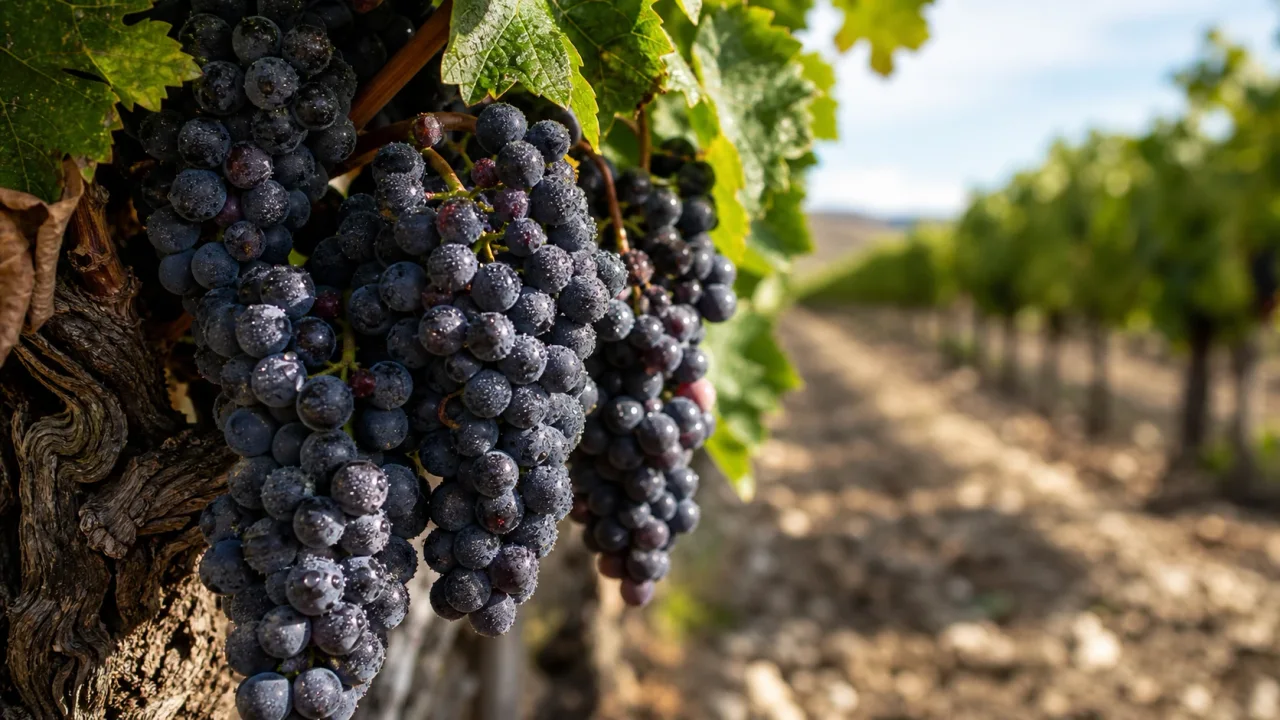
Bobal: the grape you will learn to love
Indigenous to the Utiel-Requena plateau, Bobal was for decades treated as bulk wine for blending. A handful of pioneering producers changed that, turning old, high-altitude vines into dark-fruited, earthy, age-worthy reds and serious food-friendly rosados. A guided tasting is the fastest way to actually understand what the fuss is about.
From everyday table wine to Pago-classified icons
Bobal spans a genuinely wide range, and a good tasting shows you the whole spectrum, not just one style. If you are timing a visit, our guide to the Utiel-Requena harvest season covers the festival dates and when the grapes actually come in.
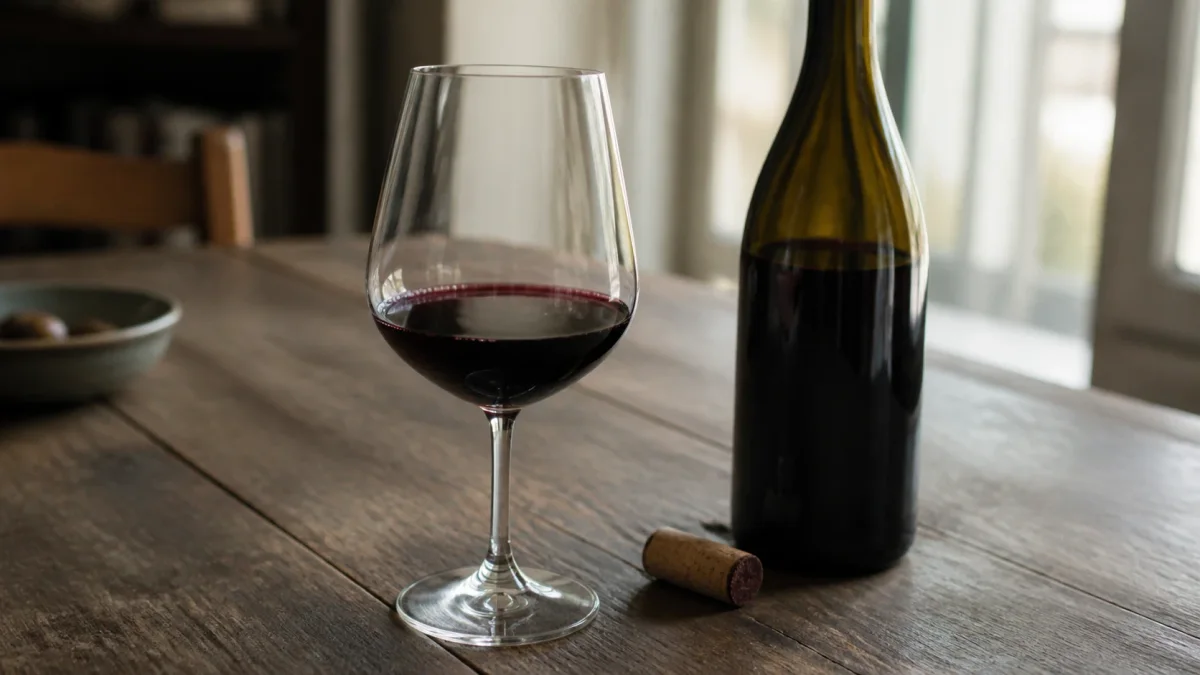
Everyday Bobal
EUR 8 to 12 buys an excellent, fruit-forward bottle for a Tuesday night, no ceremony required.
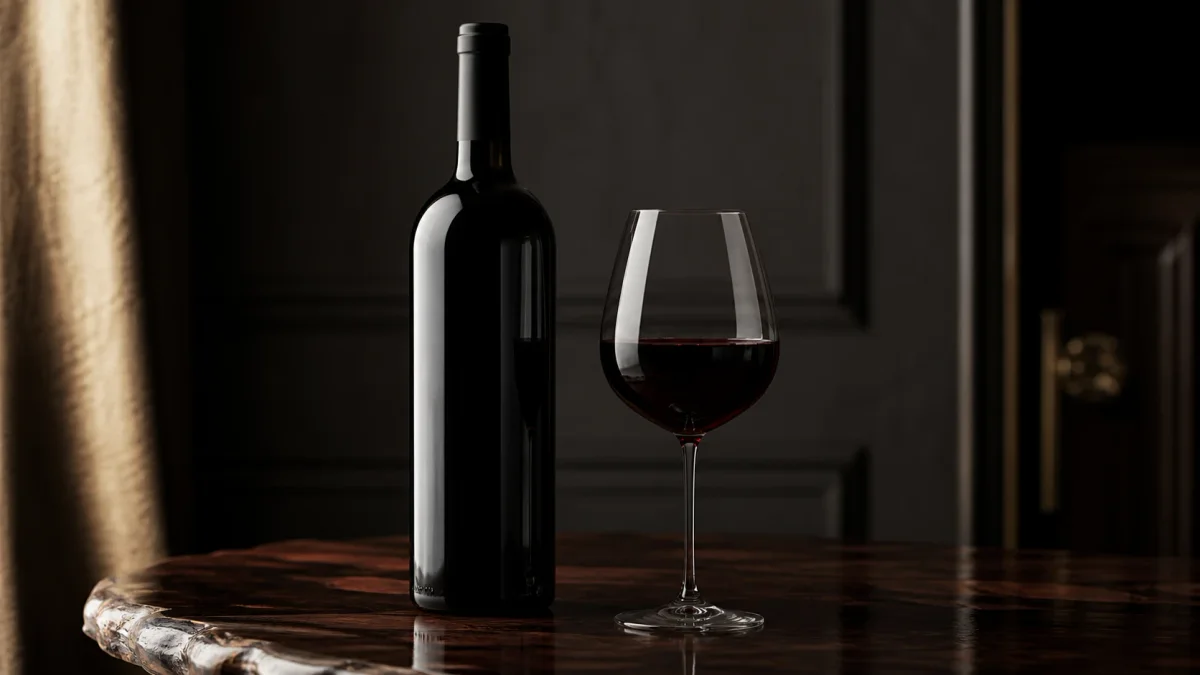
Named-vineyard Bobal
EUR 15 to 25 gets you into Pago-classified, single-vineyard bottles from producers like Mustiguillo and Vera de Estenas.
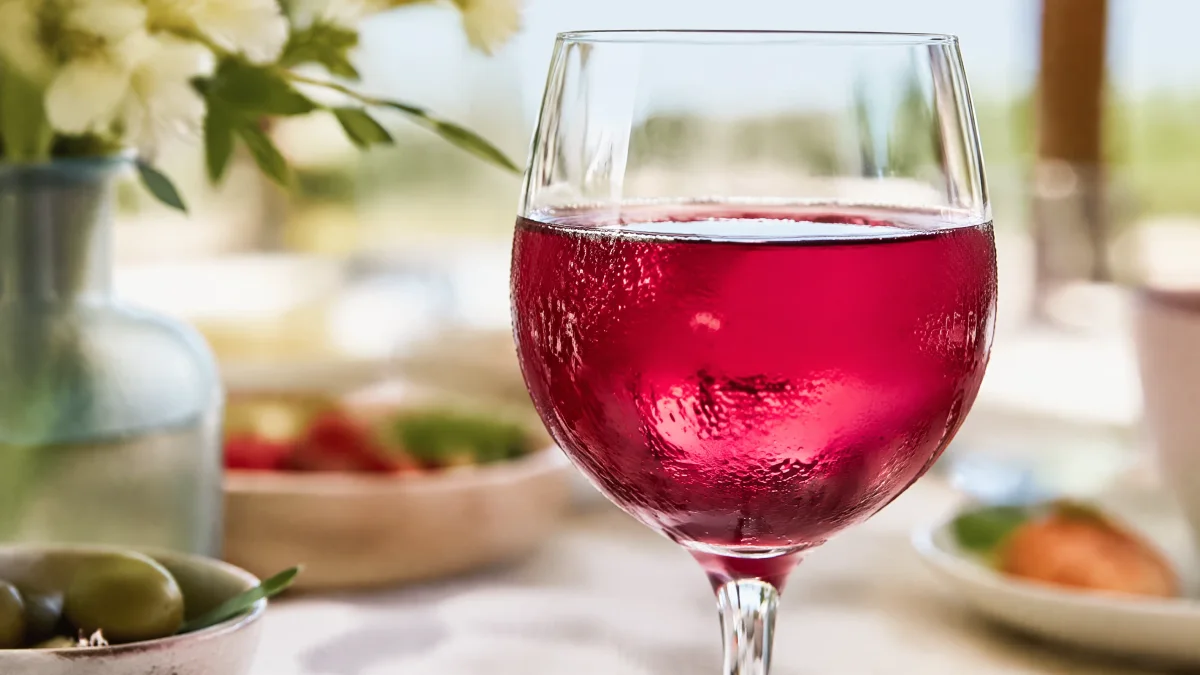
Bobal rosado
Not just a robust red grape, Bobal also makes deep pink, fresh, highly food-friendly rosados worth seeking out.
Tasting or vineyard visit
Choose a focused city tasting or head out to the old vines themselves.
Guided tasting
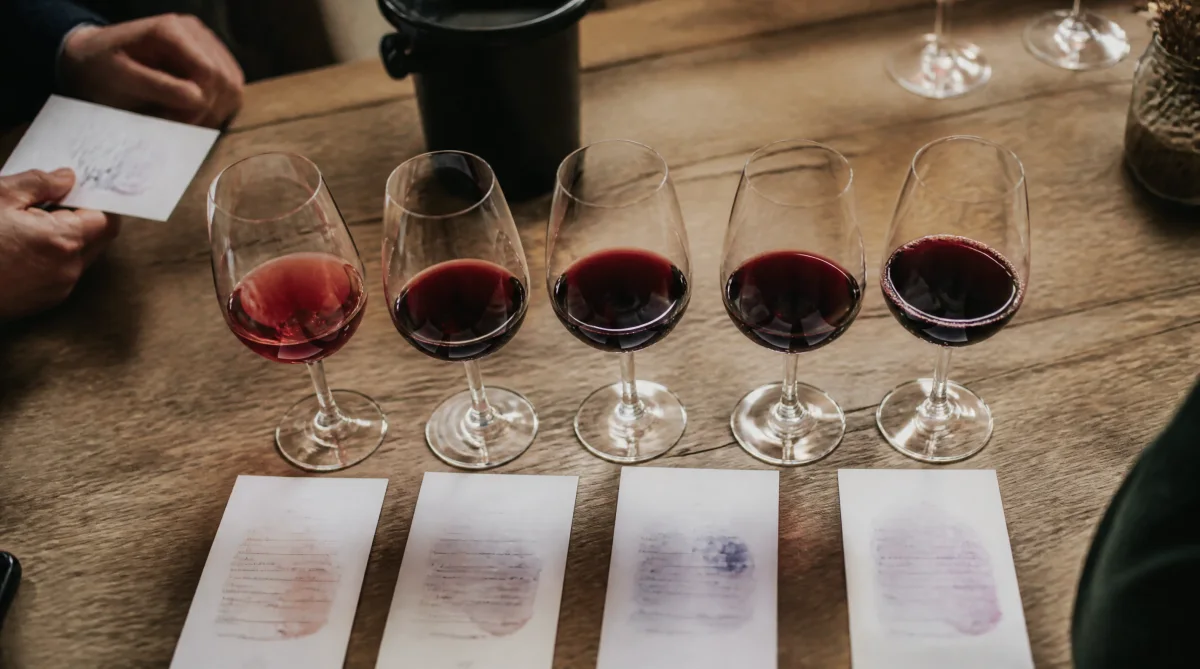
A seated flight of 5 to 6 Bobal wines across styles and price points, led by someone who can actually explain what makes each one different.
- 90 minutes to 2 hours, in the city or at a bodega
- 5 to 6 wines spanning everyday to Pago-classified
- Great for a first real introduction to the grape
Old-vine vineyard visit
Walk the high-altitude, old-vine plots that produce the best Bobal, then taste at the source with the winemaker.
- Half or full day at a Utiel-Requena bodega
- Vines over 80 years old on some producers' plots
- Pairs naturally with the wider Utiel-Requena tour
How Bobal actually tastes, and how to read the label
Bobal is a dark, thick-skinned grape and it shows: deep purple colour, black fruit, a herbal or earthy edge, and firm acidity that keeps it from feeling heavy. The rosados are the sleeper hit, pale to cherry-coloured and far drier than most people expect.
On the bottle, start at the neck. A seal reading DO Utiel-Requena means the wine is certified as coming from the plateau, and that same back label tells you the ageing category.
Joven means little or no oak and bottling young, meant to be drunk now. Crianza has spent time in barrel and then in bottle before release, which rounds off the tannin. Viñas viejas, or old vines, points to the low-yielding plots that give the most concentrated wine.
What to bring home, and what to drink it with
If you buy one bottle, make it an old-vine crianza from a small producer, because that is exactly what you will not find in a supermarket back home. If you buy two, add a Bobal rosado for the summer.
Check the rules before you fly: wine travels in checked baggage, never in the cabin, and most bodegas will sell you a moulded shipping box if you ask.
At the table, Bobal is a Valencian food wine before it is a tasting wine. It stands up to arroz al horno, grilled lamb, morcilla and embutidos, and a well-chilled rosado handles a paella de carne better than any white. Serve the reds slightly cool, at cellar temperature, not at the 24 degrees of a Valencian dining room.
What it typically costs
A focused Bobal tasting typically runs EUR 20 to 35 per person. Combine it with a vineyard visit and the pricing matches the Utiel-Requena bodega tour, roughly EUR 15 to 25 per person for a half day.
These are rough estimates to help you plan, not a fixed price. Your guide confirms an exact quote once you share your dates and group size.
Ready to meet Bobal properly?
Tell us whether you want a city tasting or a vineyard visit, your dates and group size, and we will come back with a guide and a price.
Plan your Bobal tasting
Resident in Valencia since 2016. Founder of BeTranslated. 25+ years in translation, interpretation and multilingual SEO.
Reviewed 11 July 2026 by Michael Bastin