
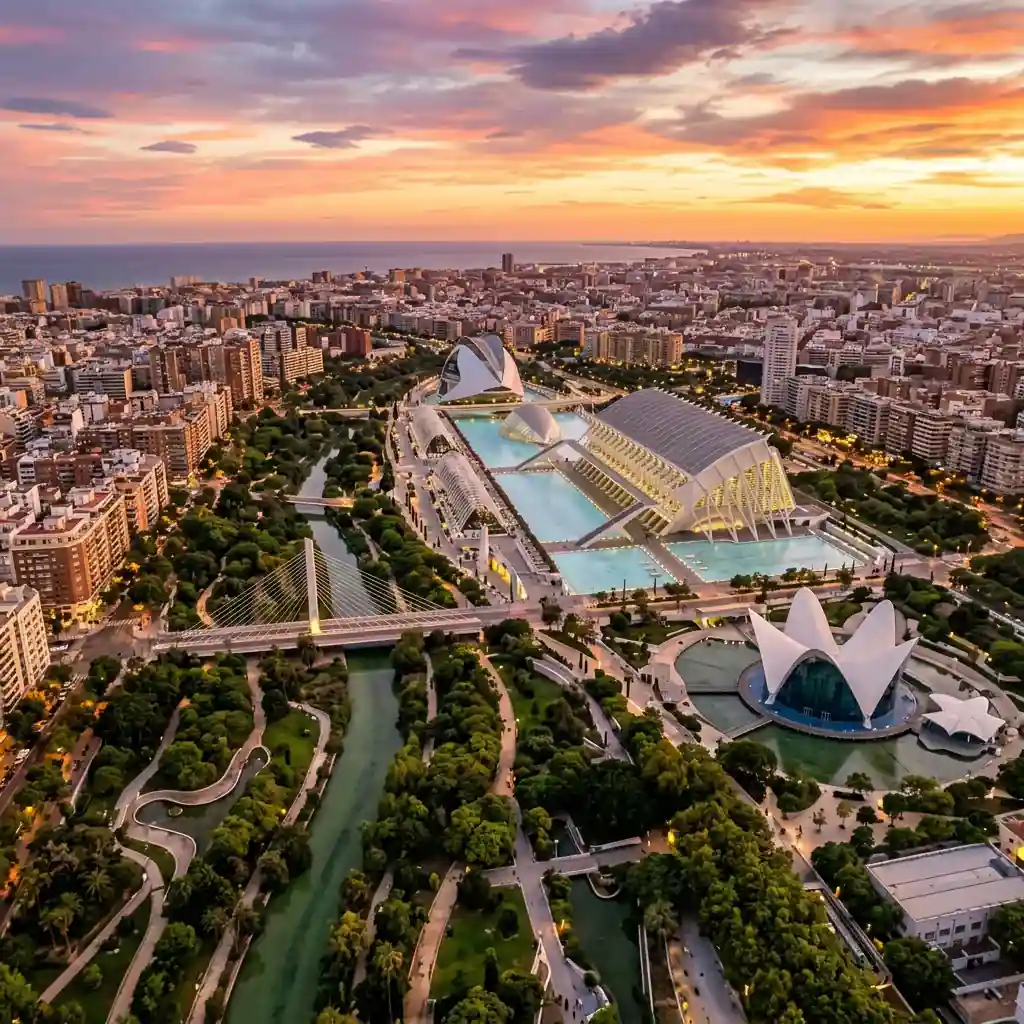
Photo: Diego Delso, CC BY-SA 3.0
Morella day trip from Valencia: Castle, medieval walls, Gothic basilica and black truffle
Morella is a medieval walled town perched high in the mountains of Castellón, with an impressive hilltop castle, a beautiful Gothic basilica and a rich culinary tradition, including black truffles in winter. It's a longer day trip from Valencia, so travelling by car and setting off early is recommended.
A walled town at a thousand metres, in the far north of Castellon province
Morella is one of the most impressive medieval towns in the Valencian Community. Surrounded by ancient walls and crowned by a hilltop castle, it sits high in the mountains of northern Castellón.
Its narrow streets, historic basilica and traditional restaurants make it well worth exploring. The drive from Valencia takes around two hours and fifteen minutes, so plan to spend a full day here, especially if you want to visit the castle and enjoy a leisurely lunch.
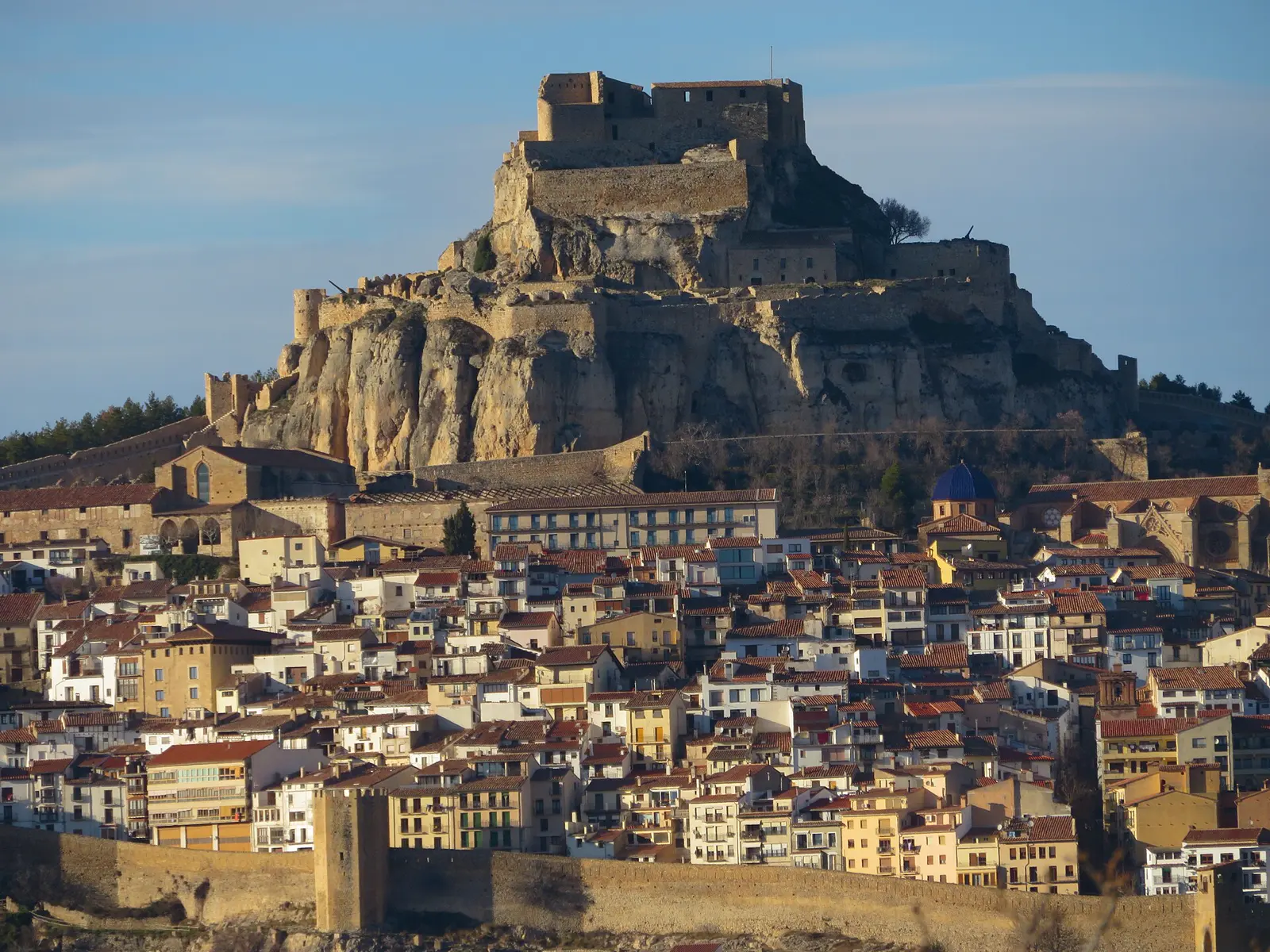
Photo: Juan Emilio Prades Bel, CC BY 4.0
What to see in Morella in a day
The castle on its rock, reached through the Convent de Sant Francesc
Entry is through the convent, and the visit takes forty-five minutes to an hour: a bailey, the governor's palace, a cistern, the La Pardala tower and a prison over three levels, with most of the comarca in view from the top. Admission is 3.50 euros, 2.50 reduced, and it is free between 14:00 and 18:00 on Tuesdays.
The basilica of Santa Maria la Mayor and its spiral choir stair
Work began in 1265 and the church was first blessed in 1311, in the transition from Romanesque to Gothic. It has two carved portals, the fourteenth-century Porta dels Apostols and the fifteenth-century Porta de les Verges, and a wide helical staircase to the raised choir by Antoni Sancho, its gilded rail carved with the Genealogy of Christ. The organ, by Francesc Turull in 1719, has 3,693 pipes.
Black truffle in winter, and flao all year
The town calls the black truffle the black diamond of Els Ports, and its season runs from January to the end of March, with the Jornadas de la trufa running special menus and workshops through those months. The other things to eat are flao, the curd-cheese and almond pastry the town calls its gastronomic icon, bull cecina, and lamb. The striped mantas de Morella come from a wool trade documented since the thirteenth century.
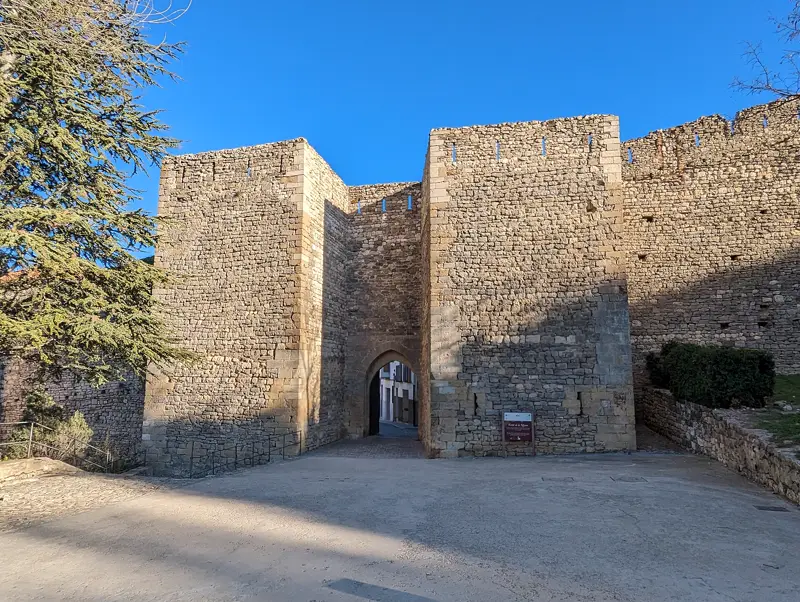
Photo: Rodelar, CC BY-SA 4.0
Driving to Morella, and why there is no bus from Valencia
The easiest way to reach Morella from Valencia is by car. The journey takes around 2 hours and 15 minutes (170 km (about 106 mi)), either via Sant Mateu or Ares del Maestrat. Public transport is very limited, with no direct buses from Valencia and no services from nearby towns on weekends or public holidays.
Morella sits at around 1,000 metres (about 3,281 ft) above sea level, so check the weather before travelling, especially in winter. The castle closes during orange or red weather alerts, as explained on the official Turisme Morella website.
The castle generally opens from 11:00 to 17:00, with longer hours in summer. Other monuments, including the basilica, may have shorter opening hours in winter, so it's worth checking before your visit.
Morella day trip FAQ
How long does it take to drive to Morella from Valencia?
Can you get to Morella from Valencia by public transport?
Is Morella cold in winter?
How much does Morella castle cost, and is anything free?
When is the truffle season in Morella?
When is the next Sexenni?
Thinking further inland than the coast?
Life in Els Ports is very different from life on the coast. If you are weighing inland Castellon against somewhere closer to Valencia, a free consultation can help you think it through.
Book a ConsultationNearby day trips and hikes
Vilafamés
A red sandstone village with a castle and a contemporary art museum.
Peñíscola
A walled old town and a clifftop castle on a rock peninsula, with two beaches either side.
Albarracín
A walled hill town in Teruel province, two hours inland.
Montanejos
Swim year round in 25 °C spring water at a Blue Flag river bathing spot.

Resident in Valencia since 2016. Founder of BeTranslated. 25+ years in translation, interpretation and multilingual SEO.
Reviewed 14 September 2026 by Michael Bastin