
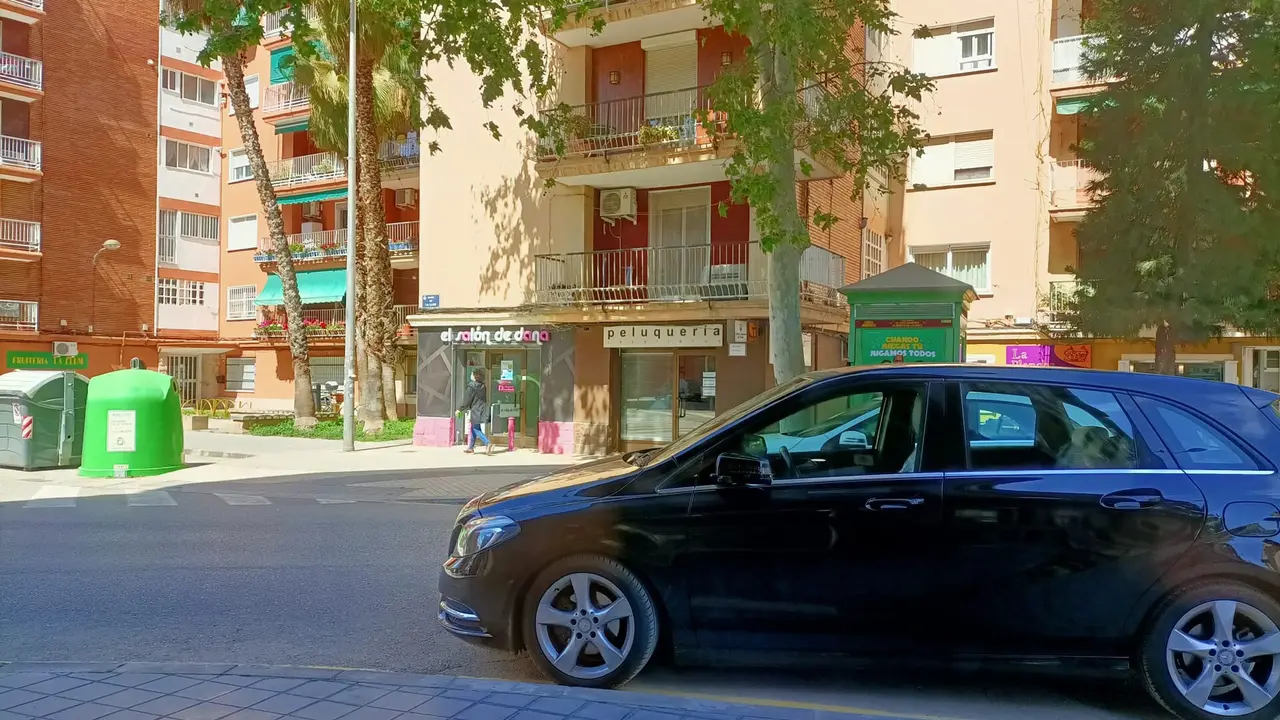
Photo: Vlcongaku, CC BY-SA 4.0
Living in La Llum, Valencia: a neighborhood guide
A small, dense L'Olivereta barrio of social housing on the Xirivella boundary
Living in La Llum
La Llum () is the smallest barrio of the L'Olivereta district, on the western edge of Valencia. Its Valencian name is the official one; in Castilian it is La Luz. It borders Soternes to the north, La Fontsanta to the east and south, and the municipality of Xirivella to the west, across the V-30 ring road.
Llum simply means "light" in Valencian. The barrio began with a limited-income housing programme at the end of the 1950s and grew mostly in the 1980s. We found no reliable source for why it was given that name, so we do not guess.
According to the Ajuntament's municipal register, 4,952 people lived in La Llum on 1 January 2025, on just 17.5 hectares, which makes it far denser than its neighbours. About a quarter of residents are 65 or over.
Transport and trade-offs: there is no metro station inside the barrio. Nou d'Octubre and Mislata stations, on metro lines 3, 5 and 9, are a walk to the north, and a footbridge for walkers and cyclists crosses to Xirivella. Shops and services are thin, and many residents use Xirivella's. La Fontsanta, with its market, is next door, and Soternes lies just north.
What rent costs in La Llum (September 2026)
La Llum asks 17 EUR per m² a month on Fotocasa's rent index for September 2026, below the 18 EUR the city of Valencia averages. At that rate a 70 m² two-bedroom lists at around 1,190 EUR a month, before you negotiate. These are asking prices on new listings, not what sitting tenants pay.
Asking prices here are 1.8% above a year earlier, against 7% for the city as a whole.
This is the figure for the barrio itself. The L'Olivereta district it belongs to reads 17 EUR on the same index.
Fotocasa publishes the same figure for La Llum as for its neighbours La Fontsanta and Soternes, so treat it as a guide to this corner of the city rather than a precise figure for these few streets.
Our renting guide explains what landlords ask for and what the fianza and agency fee add on signing day, and the upfront cost calculator runs the maths for any rent.
Public and concertado schools in this neighbourhood
The Conselleria's school guide doesn't allow direct links to an individual school's page, so each card below gives you the school's official code instead. Open the guide, paste the code into the search box and the school's page comes up. Like many Spanish public administration websites, it takes a little patience.
CEIP Rafael Altamira
Carrer Quart de Les Valls 2
Where La Llum Sits in Valencia
What Living in La Llum Is Really Like
Pros: What Residents Love
- Low rents for the city
- Quiet residential streets
- Footbridge to Xirivella
- Close to the V-30 by car
Cons: What to Know First
- No metro station of its own
- Few shops and services
- Very dense blocks
- Few rentals at any time
Typical Properties in La Llum
Local Amenities
Transport
EMT buses; Nou d'Octubre and Mislata metro (lines 3, 5 and 9) to the north
Shopping
A few local shops; more in Xirivella and La Fontsanta
History
Begun with a late-1950s housing programme, built up in the 1980s
Population
4,952 residents on 17.5 hectares (padrón, 1 January 2025)
More neighborhoods
La Fontsanta
A compact L'Olivereta barrio built in the late 1950s to rehouse families who lost their homes in the 1957 flood
Explore La FontsantaSoternes
A small L'Olivereta barrio on the Mislata boundary that began as a hamlet around a hermitage
Explore SoternesNou Moles
The largest barrio of L'Olivereta, whose name means the new millstones
Explore Nou MolesThinking about moving to La Llum?
Get in touch with our Valencia relocation team. We will help you find the right apartment, navigate the paperwork, and get settled faster.

Resident in Valencia since 2016. Founder of BeTranslated. 25+ years in translation, interpretation and multilingual SEO.
Reviewed 5 September 2026 by Michael Bastin