
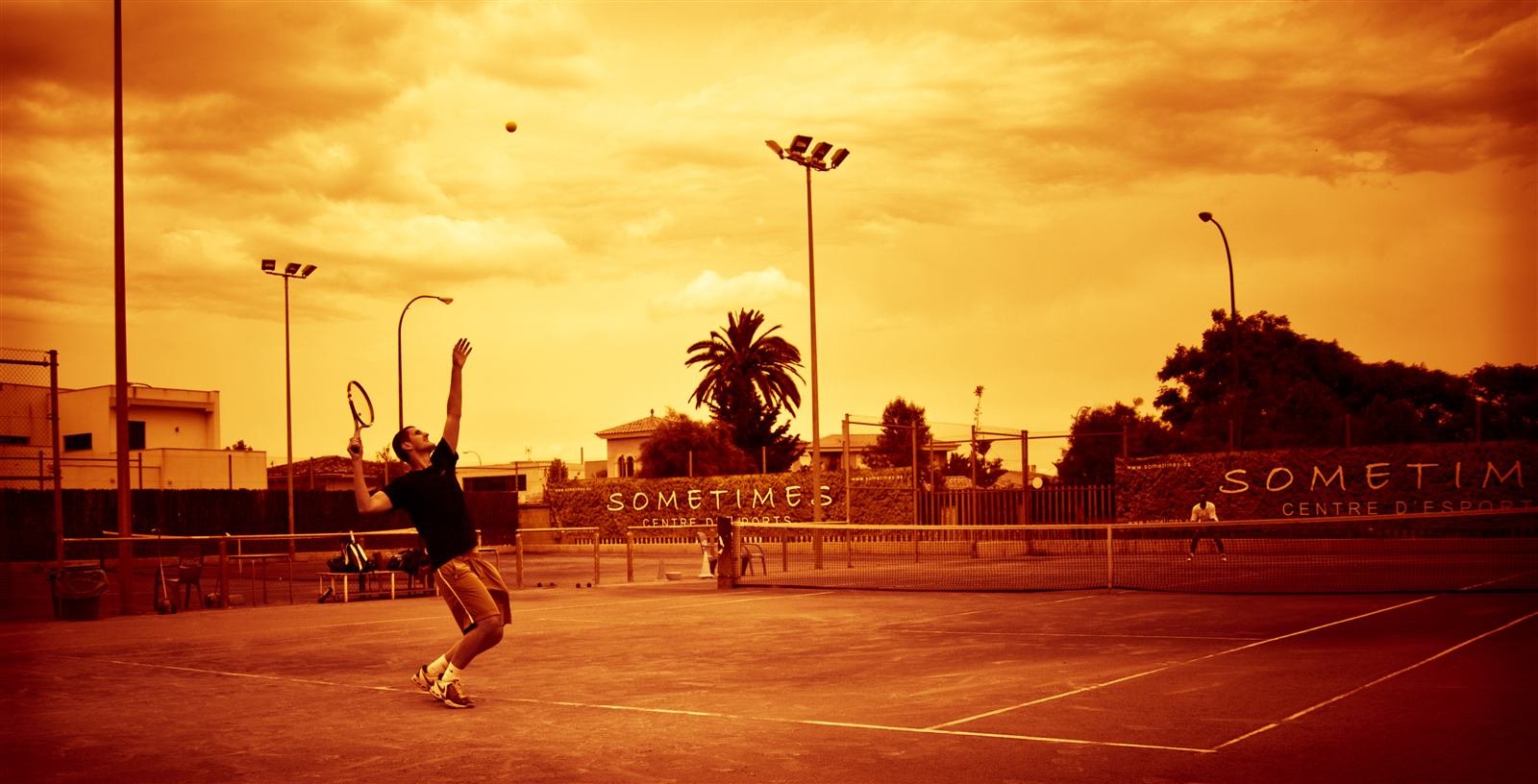
Valencia has a long tennis tradition, plenty of outdoor courts and a climate that makes playing outdoors possible for much of the year. This rich sporting heritage is most visible on the city's abundant red clay courts, which are maintained to a high standard by both private clubs and municipal centres. As a result, whether you are a seasoned competitor or a casual weekend player, the welcoming tennis community makes it remarkably easy to find a match and settle into the local rhythm.
Where to play tennis in Valencia
There are several ways to play tennis in Valencia, but two options cover most players: municipal sports centres and private clubs. The right one depends on how often you plan to play and what you want out of it.
If your preferred central courts are full, check facilities in the outer neighbourhoods and coastal districts.
Municipal courts: the affordable option
Municipal sports centres, managed by the Fundació Esportiva Municipal de Valencia (FDM), are the affordable option for casual play. You rent a court by the hour, book online, and turn up. Facilities are functional rather than plush, and municipal courts vary by centre, including hard/resin and clay surfaces.
Best for a hit with friends without a membership commitment.
Private clubs: clay and membership
Private clubs are the better fit if you plan to play regularly, want a proper club atmosphere, or care about court surface. The Club de Tenis Valencia at C/ Cavanilles 7 (Eixample), founded in 1905, is the historic name, with a full complement of clay courts and a members-only feel that shows in how the courts are kept. The Sporting Club de Tenis Valencia on Avenida de Baleares is a separate, more recent private club with its own competitive schedule.
Membership costs vary sharply between clubs. Some charge a monthly fee, while others also require an entry fee or share purchase. Check the club's current membership conditions before comparing the headline monthly price.
How much does tennis cost?
Prices vary by venue, time of day, floodlighting and whether you are a member. Treat these as typical ranges and confirm with the specific venue before you book.
Municipal court prices vary by facility and tariff. Check the current FDM price table when booking; the published municipal tariff includes different standard and reduced rates, with lighting charged separately.
Valencia Tennis Center, a private pay-per-court venue, publishes rates around 14 EUR for a one-hour rental and about 20 EUR for a 90-minute booking.
Coaching prices vary widely by academy and by how many share the court. Group clinics at municipal centres are the entry point; one-to-one sessions with an academy coach sit at the top end. For expats moving to the city, some academies and private clubs offer an English-speaking tennis coach in Valencia, making it easy to join private adult lessons or group play.
The tournaments worth knowing
Valencia is not just a destination for local players. Two internationally sanctioned professional tournaments run on the city's clay, at two different private clubs.
The Copa Faulconbridge is an ATP Challenger 175 event on the men's side, held at the Club de Tenis Valencia on C/ Cavanilles. The ATP Challenger Tour sits below the ATP Tour and provides a major competitive pathway into the main tour.
The BBVA Open Internacional de Valencia is a WTA 125 event played on outdoor clay at the Sporting Club de Tenis Valencia on Avenida de Baleares, a separate club from the Club de Tenis Valencia.
Both are worth putting on the calendar if you're planning around the 2027 season. Check each tournament's official website for dates, tickets and session information, as schedules and ticket arrangements can change from year to year.

Photo: Carlos Delgado, CC BY-SA 4.0
When to play
Spring and autumn are the sweet spot. Temperatures sit in a comfortable outdoor range, courts are less packed than the summer peak, and the sun is low enough not to punish afternoon play.
In summer, avoid the hottest part of the afternoon where possible. Early mornings and later evening sessions are generally more comfortable. Book early either way, since these are the same slots everyone else wants.
Winter is milder here than in most of Europe and outdoor play works on any fair day, but mornings and evenings can be surprisingly cold. Check the AEMET forecast before booking, since a passing coastal shower will end a session that started in sunshine.
What to bring
Mediterranean sun and Spanish red clay together set the equipment bar in ways an indoor hard-court habit does not prepare you for.
Wear proper clay-court shoes with a sole designed for the surface. Some clubs may restrict unsuitable footwear, so check the venue's rules before you play.
Rackets and balls are rented by larger clubs and academies for visitors; municipal centres generally are not. Bring your own if you can, and confirm rental in advance if not.
Dress codes vary by club. Traditional clubs may require tennis-specific clothing, so check the venue's rules before you arrive.
Sun protection is non-negotiable from April to October: high-factor sunscreen, a cap and sunglasses. A sweat towel is worth as much as a spare grip in July.
Start with a full bottle and bring enough water to last the session.
Expert's tip
If your strings break during the season, several tennis shops in Valencia offer a racket restringing service, often within a day or two, so you can get back on the clay courts quickly.
Learning tennis in Valencia
Complete beginners are well catered for. Municipal centres run group lessons at accessible price points, and private clubs and academies run structured beginner programmes that build to a real hitting level over a season. CeteVal (Centro de Tenis Valencia) is one of the established tennis-training names in Valencia for structured coaching, from beginners through to high-performance training.
Junior and family tennis is also well established: most private clubs run after-school programmes and weekend junior leagues, and academies at the higher end run intensive summer camps. If you are moving here with children who play, this is one of the easier sports to slot them into.
Solo travellers who want a hitting partner can usually find one through a club's noticeboard, physical or digital, or by joining a social mix-in evening. Many clubs organise these specifically to connect members and visitors.
Clay-court etiquette
Clay-court etiquette is straightforward once you know the basics.
Arrive on time and leave on time. Courts run back-to-back and lingering blocks the next players.
On clay, use the drag mat and line brush provided by the club when asked to do so. Some venues also ask players to water the court; follow the local instructions.
Keep the noise reasonable. Tennis is a lively sport but shouting or racket-throwing is frowned on, particularly at more traditional clubs.
Check venue-specific rules before you arrive. Booking windows, guest fees, floodlight surcharges and dress codes vary. Confirm rather than assume.
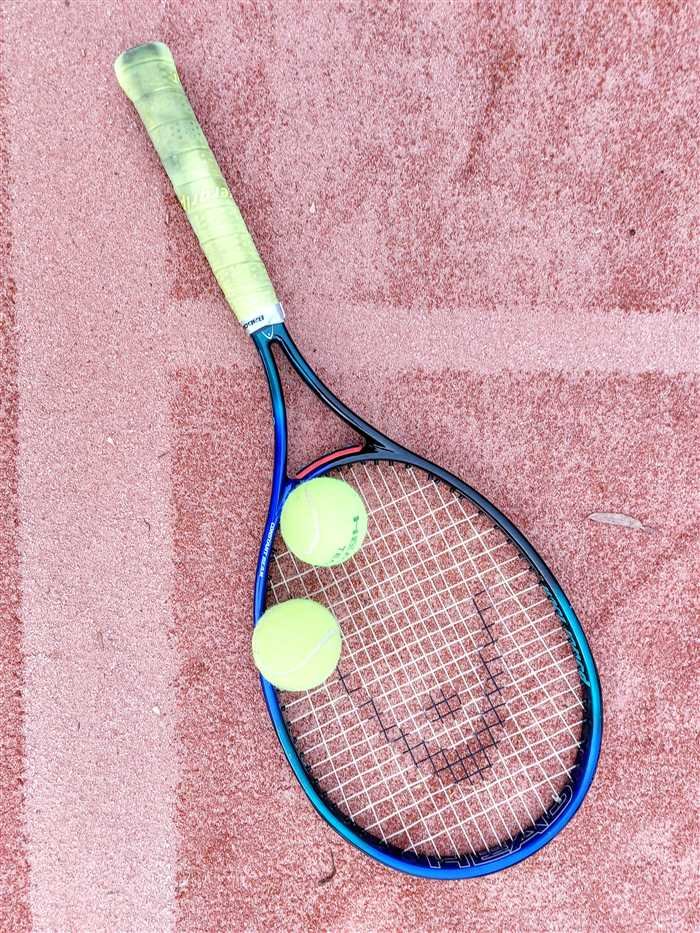
Photo: KeepActive Australia, CC BY-SA 4.0
After the match
The Valencia advantage over a specialist tennis town is what comes after the session. You can be off court and eating within half an hour, and there is a proper city on the other side of the hedge.
For paella, the traditional restaurants sit along the Malvarrosa seafront and the Paseo Neptuno; our paella restaurant guide separates the genuine from the tourist-trap kind.
If tennis is not scratching the itch, padel is the easier racket sport to drop into as a newcomer, because clubs publish open matches you can join on your own, and there is plenty else going on in Valencia on a rest day.
Thinking about moving to Valencia?
For tennis players, Valencia offers more than somewhere to book a court. You get a city where outdoor sport fits naturally into everyday life, with plenty of sunshine, a long playing season and a strong local tennis tradition. If you are considering a move to Valencia and want to understand what living here is really like, ValenciaMove can help you work through the practical side of the decision, from choosing an area to finding a home and getting settled.
Get in touch and let's talk through your plans.
Contact us
About the author
Michael Bastin
Founder, ValenciaMove - Valencia since 2016
Michael has lived in Valencia since 2016 and helps people move here.
Buy Michael a coffeeNeed help with your move?
Contact us. We handle visa, admin, and housing so you can focus on the exciting part.