
November is the hinge of the Valencian year. It starts on a public holiday spent visiting the dead and eating marzipan bones, passes through the last motorcycle grand prix of the season out at Cheste, and ends with the switch-on of the Christmas lights in the Plaça de l'Ajuntament. Somewhere in the middle you notice that your flat has no heating.
This is the November entry in our month-by-month series. It sits between October and December, and if you want the other end of the year, August is the month everything shuts.
The weather in November
AEMET's climate normals for the Valencia city station give November an average temperature of 15.3C, with typical highs of 19.8C and lows of 10.8C. It rains on about four days, around 47mm (about 1.9 in) in total, and the city still gets roughly 167 hours of sunshine. A November afternoon in the sun is a jacket-open affair; the evenings are the first of the year that feel cold.
The sea drops to around 19C, so swimming is over for all but the year-round club at the Malvarrosa. The DANA risk is not over, though: the cut-off lows that flood the region are an autumn phenomenon and November is still inside the window. The full year is in our Valencia climate guide, and the figures above come from AEMET's published normals.
MotoGP at Cheste: the season ends here

Photo: Box Repsol, CC BY 2.0
The Circuit Ricardo Tormo at Cheste, half an hour west of the city, closes the MotoGP season in November, and for one weekend the roads out along the A-3 and the Metrovalencia trains to the circuit are full of leathers. The grandstands hold well over a hundred thousand and the atmosphere is closer to a festival than a race meeting. Tickets go on sale in the spring and the cheaper stands sell out first.
If you are not going, the effect on the city is hotel prices: the weekend is one of the two or three most expensive of the year for a room. We keep the practical side, how to get to the circuit, what to expect from the trains and what the 2024 flood changed about the roads, for the MotoGP guide in our editorial calendar; the sports guide has the bars that show it.
Tots Sants first, then the lights go on
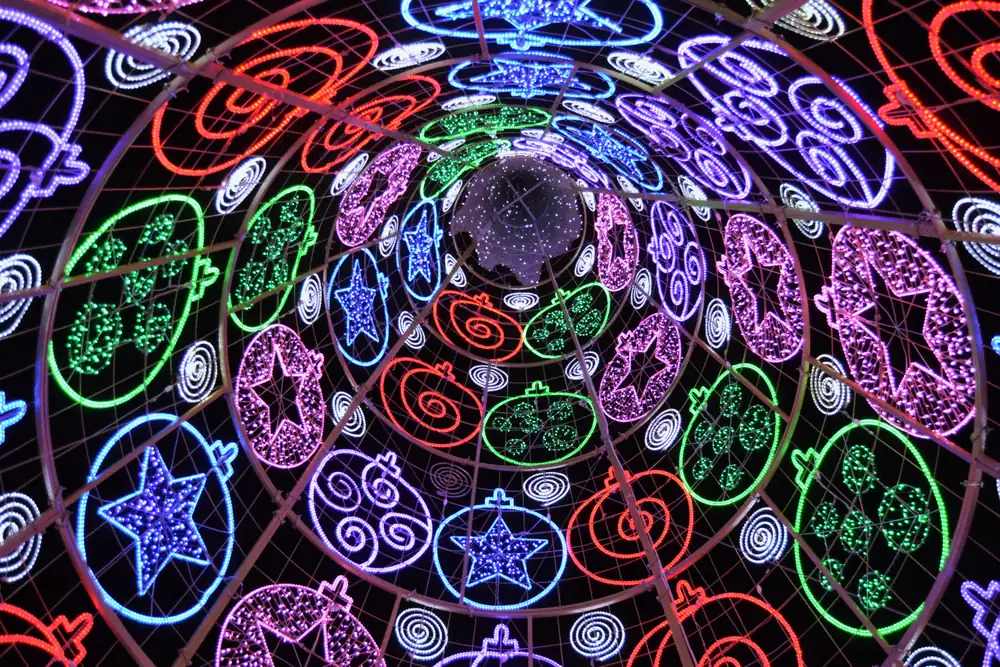
Photo: Joanbanjo, CC BY-SA 4.0
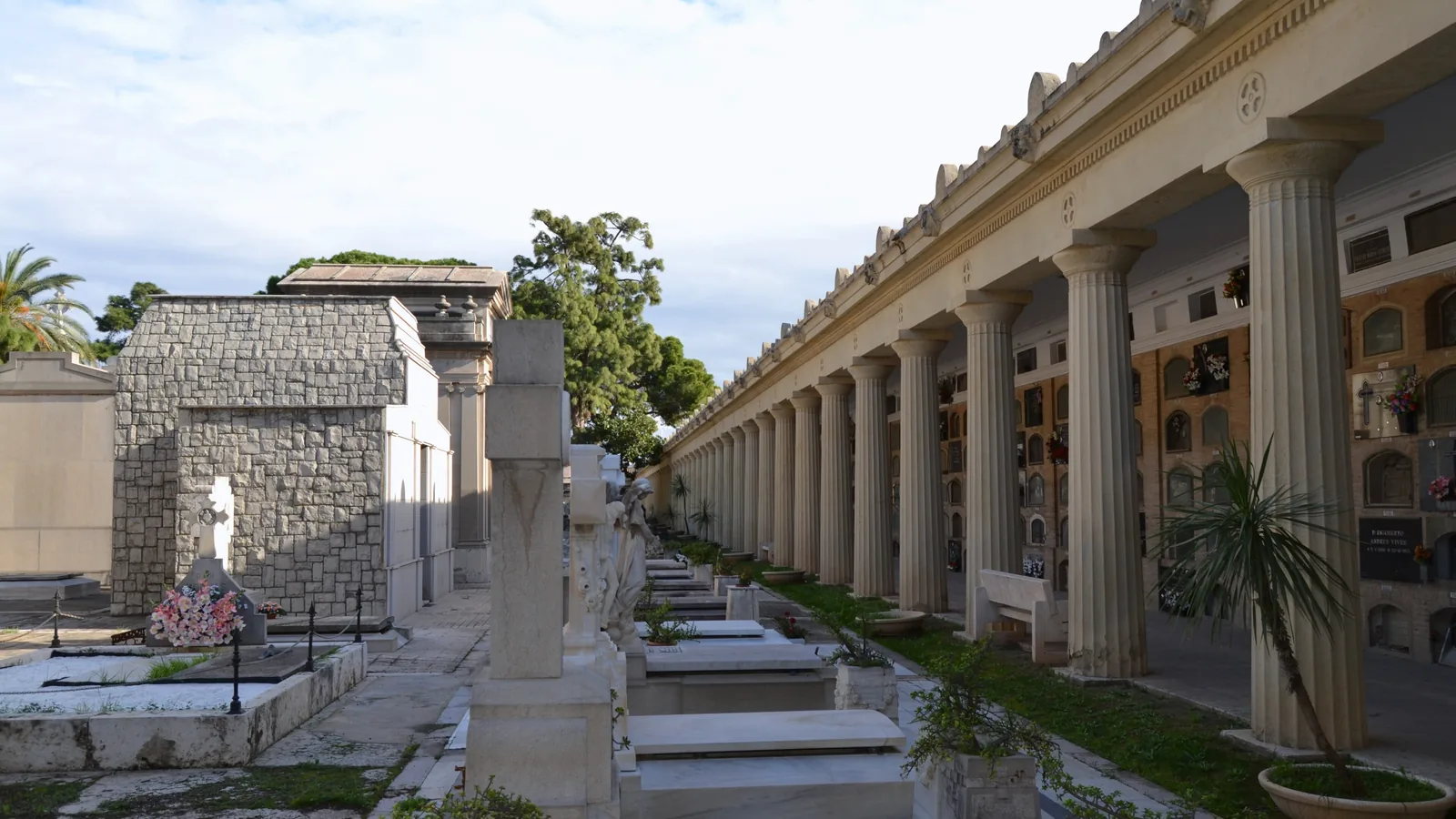
The month opens with Tots Sants (), All Saints, on 1 November, a public holiday across Spain. Valencians go to the cemetery; the Cementeri General fills from the morning, the EMT runs special lines to it from the centre, and the flower stalls outside do their best trade of the year. Inland, Cocentaina holds its Fira de Tots Sants that weekend, a fair that has run since 1346 and is the biggest of its kind in the Valencian region.
Then, in the last week of the month, the Christmas lights go on in the Plaça de l'Ajuntament with music and a piromusical, and from that Friday until Reis there is a firework show in the square every Saturday evening. The lights, the Belén and what actually opens over the holidays get their own posts in our Christmas cluster; the short version is that from the switch-on, the centre is busy every evening.
What to eat in November
Tots Sants has its own sweets, and the bakeries sell them for the whole first week: huesos de santo (), marzipan tubes filled with egg yolk, and buñuelos de viento (), light fried puffs filled with cream. The roast chestnut stands are on every busy corner by now.
At the market November is the turn of the year. The first oranges of the new season arrive, the chufa is lifted in the northern huerta, the persimmon is still on the stall and the artichokes are starting. Our guide to the huerta and its seasons has the month-by-month table, and the story of the Valencia orange explains why the first crates matter so much here.
What changes for residents
Heating. Most Valencia flats have no central heating at all, because for nine months of the year nobody needs it, and November is when the newcomer discovers this. The usual answers are a split air conditioner run in reverse, an electric radiator, or the bombona de butano (), the orange gas cylinder swapped at the petrol station. Our guide to electricity costs explains why the winter bill surprises people who found the summer one reasonable.
Two dates. 1 November is a public holiday, so plan the week around it. And if you split your income tax bill in the spring, the second instalment, the remaining 40 percent, is taken on 5 November; the Agencia Tributaria explains the two-payment option, and our tax guide covers the rest of the calendar. Black Friday has arrived here in full, and the marathon closes registration long before the month begins.
If you are moving this month
November is an underrated month to arrive. The weather is mild, the offices are fully staffed, the tourist rentals are converting back to long lets and landlords would rather sign before Christmas than after it. The one thing to do differently is to ask about heating at every viewing: a flat that feels fine on a sunny November afternoon can be genuinely cold in January.
Our moving to Valencia guide covers the order of the paperwork, and our take on the best time to move weighs the autumn against the spring.
November is the month the city turns inward: a day at the cemetery, a weekend of engines, and then the lights. Buy the buñuelos while they last, sort out the heating before the first cold snap, and be in the square for the switch-on. December brings the marathon, the lottery and the twelve grapes, which is the next entry.
Arriving in November?
We help you find a flat that will still feel like home in January, and get the paperwork done before the Christmas shutdown.
Contact us
About the author
Michael Bastin
Founder, ValenciaMove - Valencia since 2016
Michael has lived in Valencia since 2016 and helps people move here.
Buy Michael a coffeeNeed help with your move?
Contact us. We handle visa, admin, and housing so you can focus on the exciting part.