
Living in Pobles del Sud: a Valencia neighborhood guide
The Albufera district: rice fields, the Devesa pine dunes and the lake villages
Living in Pobles del Sud
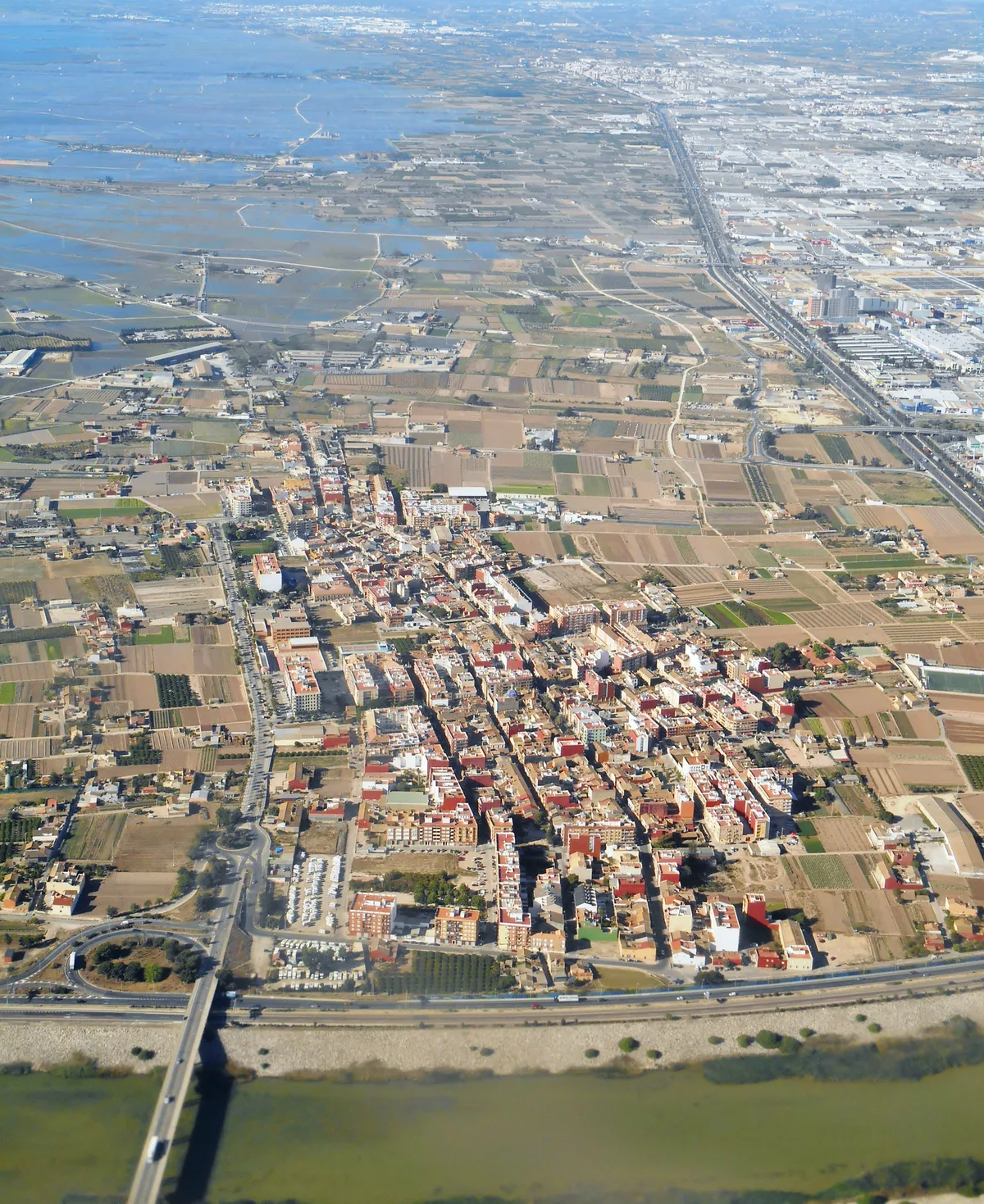
Pobles del Sud () is district 19, the southern strip of the Valencia city boundary. It runs from La Torre down past the Albufera lagoon to El Perellonet and holds almost all of the city's protected natural park.
Els Pobles del Sud is the Valencian name and Poblados del Sur the Castilian one. Both mean the villages of the south: the settlements from La Torre down through the Albufera to El Perellonet. According to the Ajuntament's municipal register, its seven barrios had 20,542 residents on 1 January 2025.
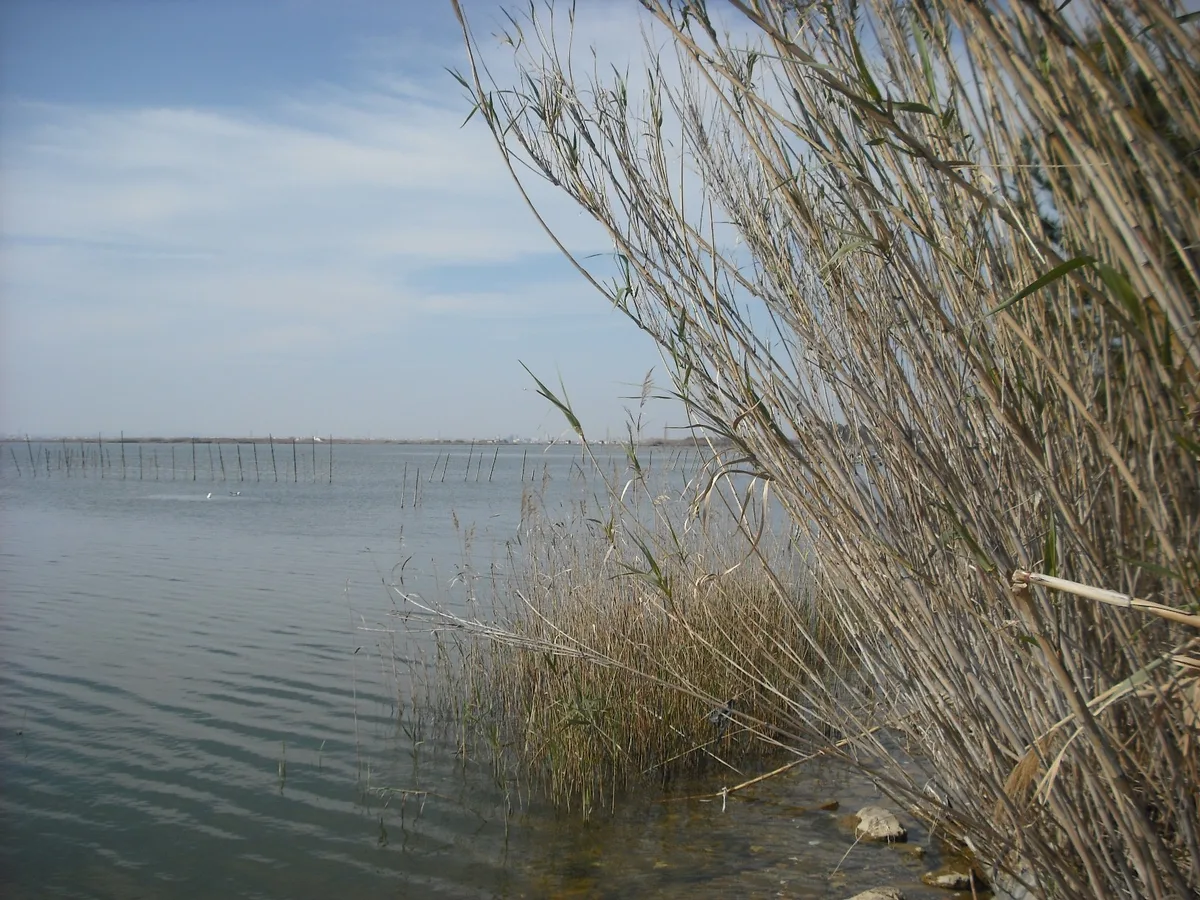
This is where paella actually comes from. El Palmar sits on the lagoon itself, El Saler and El Perellonet sit behind the Devesa pine dunes, and Pinedo is the closest of the beach villages to the city.
Parc Natural protection caps development, which is why the villages have stayed small and why these beaches are undeveloped compared with the Malva-rosa. La Torre at the northern end is the exception, a post-2010 mid-rise expansion built on former farmland.
Transport decides whether this district works for you. There is no metro inside the district, the nearest station being Valencia Sud (lines 1, 2 and 7), and everything south of La Torre depends on EMT line 25 or a car. Budget 25 to 40 minutes to the centre and treat the car as part of the rent.
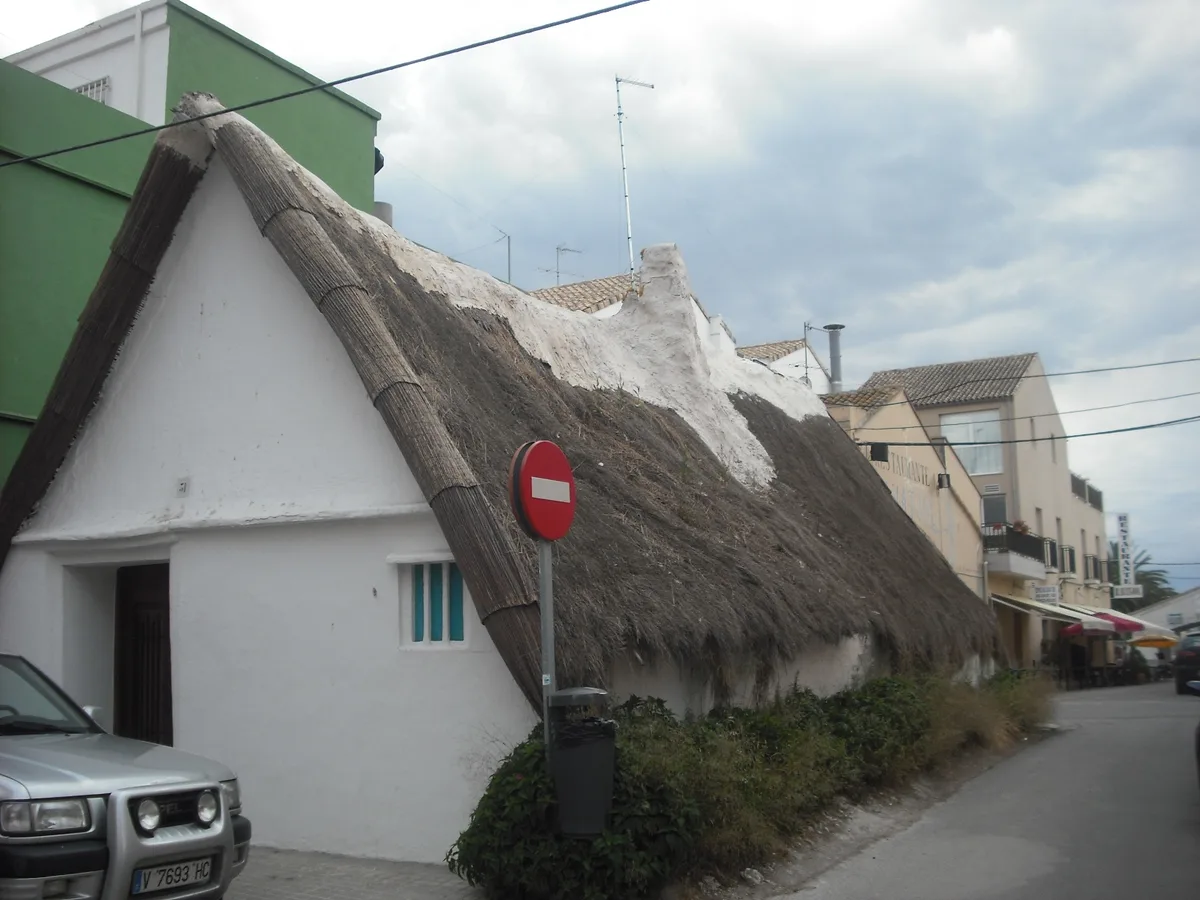
El Palmar earned its reputation the slow way. Through the late 19th century, the local Comunidad de Pescadores dredged mud from the bottom of the Albufera by boat and used it to build up the rice fields that still surround the village today, the same fields Blasco Ibáñez wrote about in the novel that became Cañas y Barro. A handful of traditional barraca houses survive, thatched and whitewashed, and the wooden albuferenc boats that once carried fishermen still take visitors out across the lake. More than 25 restaurants in El Palmar alone now build their whole reputation on the rice grown in these same fields, which tells you how completely paella has replaced fishing as the village's main trade.
What rent costs in Pobles del Sud (September 2026)
Pobles del Sud asks 14 EUR per m² a month on Fotocasa's rent index for September 2026, below the 18 EUR the city of Valencia averages. At that rate a 70 m² (about 753 sq ft) two-bedroom lists at around 980 EUR a month, before you negotiate. These are asking prices on new listings, not what sitting tenants pay.
Asking prices here are 3.7% above a year earlier, against 16.2% for the city as a whole.
One figure covers the whole Pobles del Sud district here, which also takes in Castellar - l'Oliveral, El Forn d'Alcedo, El Palmar, El Perellonet, El Saler, La Torre and Pinedo. The barrios inside it price differently street by street, so read it as the district average rather than a quote for any one of them.
Pobles del Sud is a coastal and lagoon district, so its rental market runs on seasons rather than on the school year. El Saler, El Perellonet and Pinedo hold a lot of second homes that only open to long lets in winter, El Palmar rents village houses on the lagoon, and La Torre at the northern end is a modern mid-rise market that behaves like the city. Parc Natural protection caps building everywhere except La Torre, which is why supply stays flat while demand does not.
Our renting guide explains what landlords ask for and what the fianza and agency fee add on signing day, and the upfront cost calculator runs the maths for any rent.
Living in the Pobles del Sud district
Getting around
There is no metro inside the district: the nearest station is Valencia Sud (lines 1, 2 and 7), about 1.5 km from La Torre. South of that, EMT line 25 runs down the Devesa to El Saler, El Palmar and El Perellonet, and it is the only public transport option.
Rice fields and the Albufera lagoon separate the villages, so distances are real: El Perellonet is around 25 minutes' drive from the centre in light traffic.
What sets it apart
This is the Albufera district: rice paddies, the pine dunes of the Devesa, and the lake villages where paella actually originates. The Parc Natural designation caps development, which is why the villages have stayed small.
La Torre at the northern end is the exception, a post-2010 mid-rise expansion on former farmland that reads like a planned suburb rather than a village.
Who it suits
People who want beach or lake living inside the Valencia city boundary and accept a 25 to 40 minute drive to the centre.
El Saler and El Perellonet suit anyone whose priority is the beach. El Palmar suits people who want the Albufera itself. La Torre suits anyone who wants a modern flat on the metro.
Barrios in Pobles del Sud
Every barrio inside this district has its own guide. Rent, transport and character vary a lot from one street grid to the next, so start with the one closest to where you actually want to live.
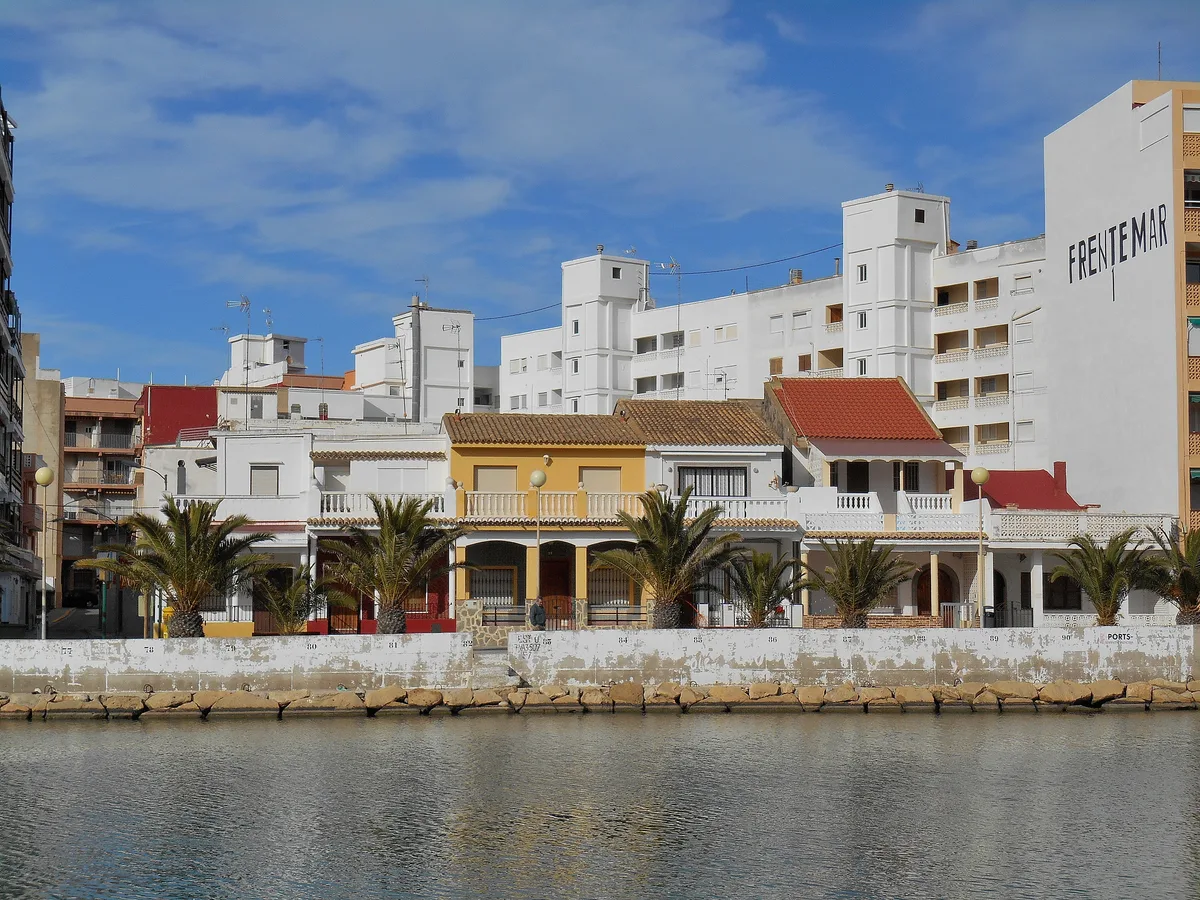
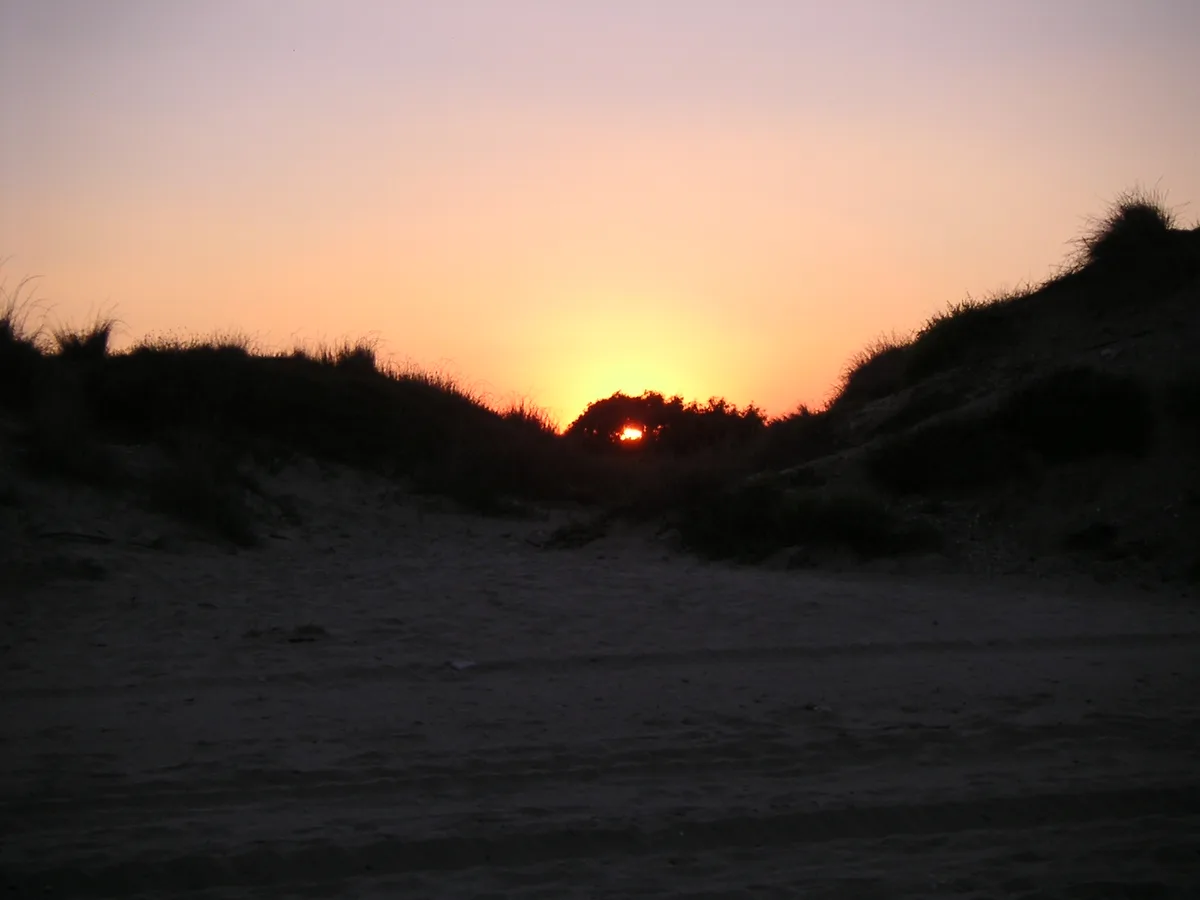
El Saler
Coastal Pobles del Sud village with the Parador, dunes and an Albufera-edge golf course
Explore El SalerPhoto: Rafa Castillo (rafolas), CC BY-SA 3.0
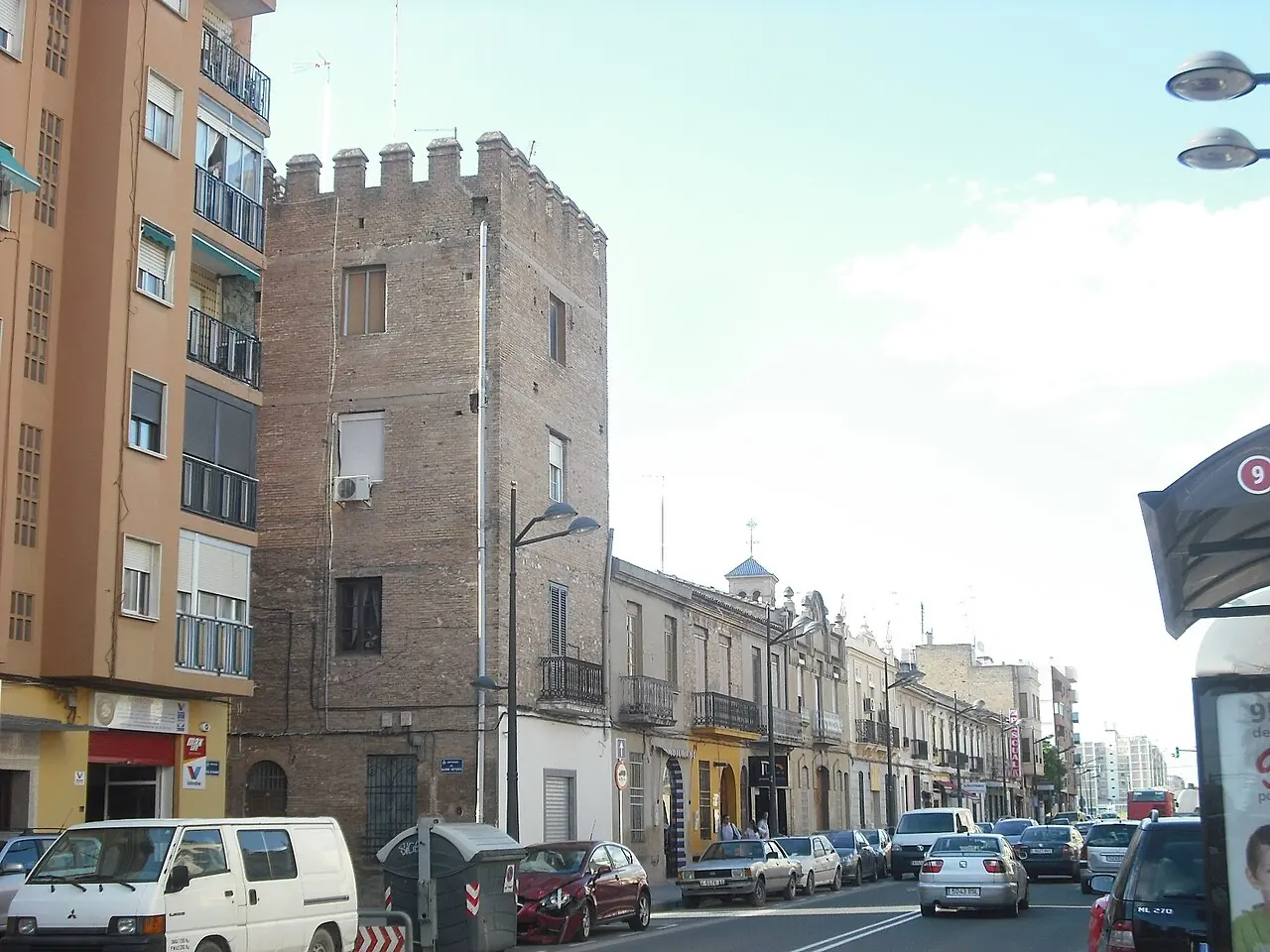
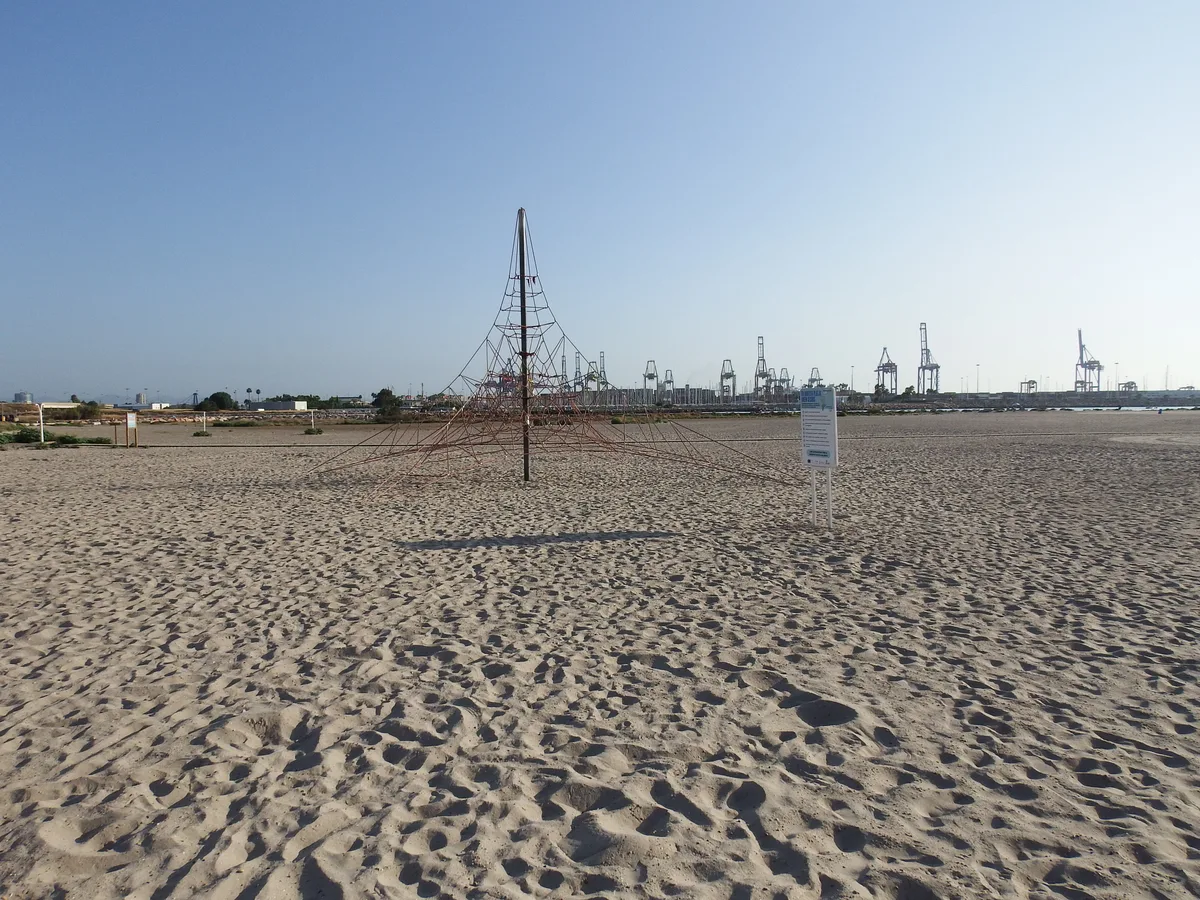
Neighbouring districts
These districts share a boundary with this one. Worth a look if you are still deciding where to live, or want to compare with the area next door.
Public and concertado schools
Active public and concertado schools in this district, per the Conselleria d'Educació register.
The Conselleria's school guide doesn't allow direct links to an individual school's page, so each card below gives you the school's official code instead. Open the guide, paste the code into the search box and the school's page comes up. Like many Spanish public administration websites, it takes a little patience.
CEIP Castellar-Oliveral
Carrer Escultor Federico Siurana S/N
CEIP Forn d'Alcedo
Camí Alabau 30
CEIP Lluís de Santàngel
Avinguda Els Pinars S/N
CEIP Padre Manjón
Carrer Fernando Cabedo Torrents S/N
CEIP Pinedo
Travessia de Pinedo Al Mar 75
IES el Ravatxol
Avinguda Doctor Ruiz I Comes S/N
IES el Saler
Avinguda Els Pinars S/N
Centre Privat Nuestra Señora del Rosario
Carrer Fortuna S/N
Where Pobles del Sud Sits in Valencia
What Living in Pobles del Sud Is Really Like
Pros: What Residents Love
- Undeveloped beaches and the Albufera on the doorstep
- Village houses and chalets rather than apartment blocks
- Valencia Sud metro (L1/L2/L7) is the nearest station, about 1.5 km from La Torre
- Valencia city padrón with genuine countryside
Cons: What to Know First
- South of La Torre, EMT line 25 is the only public transport
- 25 to 40 minutes by car to the centre
- Summer weekends bring heavy beach traffic
- Very limited winter services in the smaller villages
Typical Properties in Pobles del Sud
Local Amenities
Beaches
Pinedo, El Saler and El Perellonet, all undeveloped
Metro
Nearest metro is Valencia Sud (L1/L2/L7), about 1.5 km (about 0.9 mi) from La Torre
Albufera
Protected natural park covering most of the district
Paella
El Palmar is the origin point of the dish itself
Population
20,542 residents in its seven barrios (padrón, 1 January 2025)
More Valencia neighborhoods
Pobles del Nord
Seven huerta villages inside the city boundary, separated from Valencia by working farmland
Explore Pobles del NordPobles de l'Oest
Benimamet and Beniferri: the only Pobles district with a full metro service
Explore Pobles de l'OestQuatre Carreres
Vast southeast district from cheap Malilla blocks to glass towers around the City of Arts and Sciences
Explore Quatre CarreresRelated articles from our blog
Articles worth reading next, picked for this page.


Thinking about moving to Pobles del Sud?
Get in touch with our Valencia relocation team. We will help you find the right apartment, navigate the paperwork, and get settled faster.

Resident in Valencia since 2016. Founder of BeTranslated. 25+ years in translation, interpretation and multilingual SEO.
Reviewed 5 September 2026 by Michael Bastin